
- Physical Examination
- Surgical Examination
- Ophthalmology
- Clinical Skills
- Orthopedics
- Surgery Videos
- Laparoscopy
- Pediatrics
- Funny Videos
- Cardiothoracic Surgery
- Nursing Videos
- Plastic Surgery
- Otorhinolaryngology
- Histology and Histopathology
- Neurosurgery
- Dermatology
- Pediatric Surgery
- Urology
- Dentistry
- Oncology and Cancers
- Anatomy Videos
- Health and Fitness
- Radiology
- Anaesthesia
- Physical Therapy
- Pharmacology
- Interventional Radiology
- Cardiology
- Endocrinology
- Gynecology
- Emergency Medicine
- Psychiatry and Psychology
- Childbirth Videos
- General Medical Videos
- Nephrology
- Physiology
- Diet and Food Health
- Diabetes Mellitus
- Neurology
- Women Health
- Osteoporosis
- Gastroenterology
- Pulmonology
- Hematology
- Rheumatology
- Toxicology
- Nuclear Medicine
- Infectious Diseases
- Vascular Disease
- Reproductive Health
- Burns and Wound Healing
- Kidney Zone Podcast
- Other
Cystic Fibrosis
Cystic fibrosis is an inherited condition that makes mucus and other body fluids thick and sticky, mainly affecting the lungs and digestive system. This page explains its symptoms, causes, and treatment in plain language, with videos to help you follow the key points.
✓ Medically reviewed by Dr. Mohamed Ibrahim, MD, PhD — physician-scientist · Last reviewed: November 2026
In short: In cystic fibrosis, a faulty gene disrupts the movement of salt and water in the body's glands, so mucus becomes thick and blocks airways and ducts. Daily physiotherapy, inhaled medicines, and enzymes help; newer medicines target the faulty protein itself.
Watch: Cystic Fibrosis videos

Read: the plain-language guide
Overview
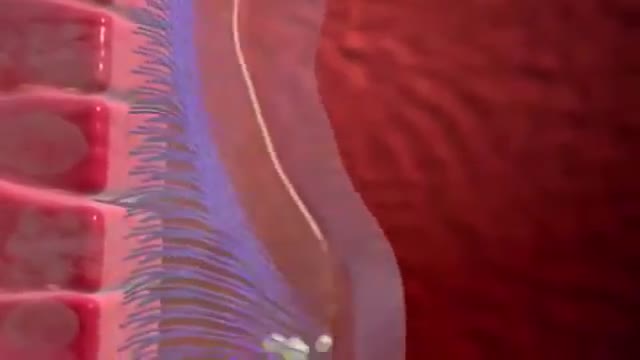
Cystic fibrosis affects the glands that produce mucus, sweat, and digestive juices. In a healthy body these fluids are thin and slippery, but in cystic fibrosis they become thick and sticky. In the lungs, the thick mucus is hard to clear and traps bacteria, leading to repeated chest infections and gradual lung damage. In the pancreas, blocked ducts stop digestive enzymes reaching the gut, so food, especially fat, is poorly absorbed. Most babies are now identified by newborn screening, allowing treatment to begin early. Care is lifelong and is coordinated by specialist centres.
Symptoms
Signs often begin in infancy or childhood: a persistent cough that produces thick mucus, repeated chest infections, wheezing, and breathlessness. Because food is not absorbed properly, children may gain weight poorly despite a good appetite, and pass frequent, bulky, greasy stools. The skin tastes noticeably salty, a classic clue noticed by parents. Sinus problems, nasal polyps, and, in adults, fertility problems can occur. Symptoms and severity vary considerably between individuals, partly depending on which gene changes they carry.
Causes & risk factors
Cystic fibrosis is caused by changes in a gene that makes a protein controlling the movement of salt and water across cell surfaces. A child develops the condition when they inherit a changed copy of the gene from each parent; the parents are usually healthy carriers who may not know they carry it. Many different changes in the gene exist, and some cause milder disease than others. The condition is most common in people of northern European ancestry, though it occurs in all populations.
How it's diagnosed
In many countries, all newborn babies are screened for cystic fibrosis with a heel-prick blood test in the first days of life. A positive screen is followed by a sweat test, which measures the salt in sweat and is characteristically high in this condition, and by genetic testing to identify the exact gene changes. Older children and adults with suggestive symptoms are diagnosed with the same tests. Knowing the specific gene changes matters because some modern treatments only work for particular changes.
Treatment overview
Treatment is daily and lifelong. Airway clearance physiotherapy helps loosen and clear mucus, supported by inhaled medicines that thin mucus and open the airways, and antibiotics when infections flare. Pancreatic enzyme capsules are taken with food, together with a high-energy diet and vitamin supplements, to replace what the pancreas cannot deliver. Newer medicines called modulators improve the function of the faulty protein itself and have transformed care for people whose gene changes make them eligible. Exercise is encouraged, and lung transplantation is an option for advanced lung disease.
When to seek care
Contact the care team promptly for increased cough or breathlessness, fever, or thicker or blood-stained mucus. Coughing up more than a small streak of blood, new chest pain, or severe abdominal pain and swelling are emergencies needing immediate hospital care.
Frequently asked questions
Is there a cure for cystic fibrosis?
There is no cure yet, but treatment has improved greatly. Daily airway clearance, enzymes, and antibiotics control symptoms and infections, and newer modulator medicines that target the faulty protein have improved lung function and quality of life for many people whose gene changes make them eligible.
Can cystic fibrosis be diagnosed in adults?
Yes. People with milder gene changes may reach adulthood before diagnosis, sometimes after years of unexplained chest infections, sinus problems, pancreatitis, or fertility difficulties. A sweat test and genetic testing can confirm the diagnosis at any age.
Is cystic fibrosis contagious?
No, it is an inherited condition and cannot be caught. However, people with cystic fibrosis can pass certain lung bacteria to each other, so clinics arrange appointments to keep patients apart and advise against close contact between people with the condition.
Why do people with cystic fibrosis need a high-energy diet?
Because the pancreas cannot release its enzymes properly, food, especially fat, is absorbed poorly, so more energy is needed just to maintain weight and fight infection. Enzyme capsules with every meal and snack, plus a high-energy diet and vitamins, replace what is missing.
More in Lungs & Breathing
Related topics on MedicalVideos.com
Sources & further reading
Authoritative references for readers who want to go deeper:
This page is for general education only and is not medical advice. Coughing up more than a small streak of blood, or new chest pain, is an emergency for someone with cystic fibrosis and needs immediate hospital care.