
- Physical Examination
- Surgical Examination
- Ophthalmology
- Clinical Skills
- Orthopedics
- Surgery Videos
- Laparoscopy
- Pediatrics
- Funny Videos
- Cardiothoracic Surgery
- Nursing Videos
- Plastic Surgery
- Otorhinolaryngology
- Histology and Histopathology
- Neurosurgery
- Dermatology
- Pediatric Surgery
- Urology
- Dentistry
- Oncology and Cancers
- Anatomy Videos
- Health and Fitness
- Radiology
- Anaesthesia
- Physical Therapy
- Pharmacology
- Interventional Radiology
- Cardiology
- Endocrinology
- Gynecology
- Emergency Medicine
- Psychiatry and Psychology
- Childbirth Videos
- General Medical Videos
- Nephrology
- Physiology
- Diet and Food Health
- Diabetes Mellitus
- Neurology
- Women Health
- Osteoporosis
- Gastroenterology
- Pulmonology
- Hematology
- Rheumatology
- Toxicology
- Nuclear Medicine
- Infectious Diseases
- Vascular Disease
- Reproductive Health
- Burns and Wound Healing
- Kidney Zone Podcast
- Other
Ulcerative Colitis
Ulcerative colitis is a long-term condition causing inflammation and ulcers in the lining of the large intestine and rectum. This guide explains ulcerative colitis symptoms, diagnosis, and treatment in plain language, with helpful videos.
✓ Medically reviewed by Dr. Mohamed Ibrahim, MD, PhD — physician-scientist · Last reviewed: November 2026
In short: Ulcerative colitis inflames the inner lining of the colon and rectum, causing bloody diarrhoea, urgency, and abdominal pain in flares. Treatment aims to settle flares, keep the bowel calm, and protect long-term bowel health.
Watch: Ulcerative Colitis videos

Read: the plain-language guide
Overview
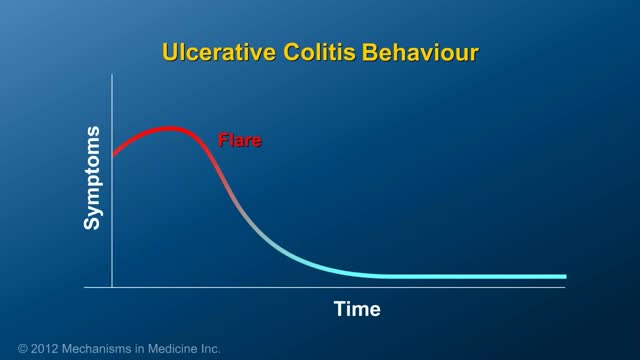
Ulcerative colitis is a type of inflammatory bowel disease affecting the large intestine, always involving the rectum and extending upwards in a continuous pattern. Only the inner lining becomes inflamed and ulcerated, unlike Crohn's disease, which can affect deeper layers and any part of the gut. The condition runs a relapsing course, with flares and periods of remission where symptoms settle. Severity ranges from inflammation limited to the rectum to extensive colitis. Long-term care focuses on controlling inflammation, preventing flares, monitoring the bowel, and maintaining nutrition and quality of life.
Symptoms
The hallmark symptoms are diarrhoea with blood and mucus, an urgent need to reach a toilet, and sometimes needing to go at night. People may pass small amounts frequently, have cramping pain that eases after opening the bowels, and feel tired from blood loss and disturbed sleep. Severe flares can bring fever, rapid heartbeat, and significant weight loss. Some people develop related problems such as joint pain, eye inflammation, or skin rashes. Symptoms vary with the extent of inflammation, and persistent bowel change with bleeding always needs assessment.
Causes & risk factors
The exact cause is not fully understood. Ulcerative colitis is thought to result from an abnormal immune response in the bowel lining in genetically susceptible people, influenced by gut bacteria and environmental factors. It is not caused by infection, diet, or stress, although infections and stress can trigger flares. Family history increases risk modestly. Interestingly, symptoms sometimes begin after stopping smoking, but smoking is harmful overall and is never recommended as treatment. Research continues into the precise triggers that switch bowel inflammation on and off.
How it's diagnosed
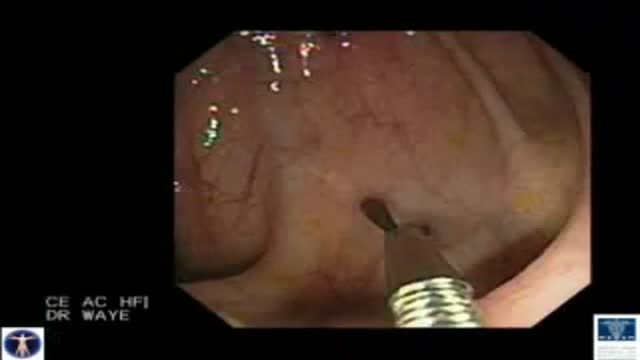
Diagnosis is usually made with blood and stool tests plus colonoscopy with biopsies. Blood tests check inflammation and anaemia; stool tests exclude infection and can measure a marker of gut inflammation. During colonoscopy, a specialist examines the lining of the rectum and colon and takes small tissue samples, which helps confirm ulcerative colitis and distinguish it from Crohn's disease and other causes. Scans are used when complications are suspected or the diagnosis is unclear. Assessment also records the extent and severity of inflammation, which guides treatment choices.
Treatment overview
Treatment aims to settle flares and maintain remission. Anti-inflammatory medicines for the bowel are the foundation, given by mouth, suppository, or enema depending on the area affected. Steroids may be used short term for flares but not for maintenance. If inflammation remains active, specialists may add immune-modifying medicines or targeted biologic and advanced therapies. Surgery to remove the colon is an option for severe, uncontrolled, or complicated disease and removes the colitis itself. Care is individual, led by a specialist team with regular monitoring.
When to seek care
Seek urgent care for heavy or increasing rectal bleeding, severe abdominal pain or swelling, high fever, rapid heartbeat, dizziness, or being unable to keep fluids down. These may signal a severe flare or a rare complication where the colon becomes dangerously swollen. Contact your specialist team early in any flare that is not settling as expected.
Frequently asked questions
How is ulcerative colitis different from Crohn's disease?
Ulcerative colitis affects only the large intestine and rectum, and only the inner lining, spreading continuously from the rectum. Crohn's disease can affect any part of the digestive tract, in patches, and through the full bowel wall. Endoscopy, biopsies, and scans help specialists tell them apart and plan treatment.
Can ulcerative colitis be cured?
Medicines cannot permanently cure ulcerative colitis, but they can achieve long periods of remission with healed bowel lining. Surgery to remove the large intestine does remove the disease from the bowel and is considered when medicines fail or complications occur. Specialists discuss benefits, risks, and alternatives carefully before any operation.
Do I need regular colonoscopies with ulcerative colitis?
Many people with long-standing, extensive colitis are offered surveillance colonoscopies because prolonged inflammation raises bowel cancer risk over time. Controlling inflammation also helps. The timing and need depend on the extent and duration of disease and other personal factors, so follow the schedule your specialist team recommends for you.
What should I eat during a flare?
No single diet treats ulcerative colitis, and medicines remain essential. During flares, some people find smaller, simpler meals easier and avoid foods that personally worsen urgency. Maintaining fluids and nutrition matters more than strict exclusions.
More in Digestive
Related topics on MedicalVideos.com
Sources & further reading
Authoritative references for readers who want to go deeper:
- MedlinePlus: Ulcerative Colitis
- Crohn's & Colitis Foundation: Ulcerative Colitis (Crohn's & Colitis Foundation)
- NHS: Ulcerative colitis
This page is for general education only and is not medical advice. Heavy bleeding, severe pain, fever, or a swollen abdomen during ulcerative colitis needs urgent hospital assessment the same day.