
- Physical Examination
- Surgical Examination
- Ophthalmology
- Clinical Skills
- Orthopedics
- Surgery Videos
- Laparoscopy
- Pediatrics
- Funny Videos
- Cardiothoracic Surgery
- Nursing Videos
- Plastic Surgery
- Otorhinolaryngology
- Histology and Histopathology
- Neurosurgery
- Dermatology
- Pediatric Surgery
- Urology
- Dentistry
- Oncology and Cancers
- Anatomy Videos
- Health and Fitness
- Radiology
- Anaesthesia
- Physical Therapy
- Pharmacology
- Interventional Radiology
- Cardiology
- Endocrinology
- Gynecology
- Emergency Medicine
- Psychiatry and Psychology
- Childbirth Videos
- General Medical Videos
- Nephrology
- Physiology
- Diet and Food Health
- Diabetes Mellitus
- Neurology
- Women Health
- Osteoporosis
- Gastroenterology
- Pulmonology
- Hematology
- Rheumatology
- Toxicology
- Nuclear Medicine
- Infectious Diseases
- Vascular Disease
- Reproductive Health
- Burns and Wound Healing
- Kidney Zone Podcast
- Other
Crohn's Disease
Crohn's disease is a long-term condition causing inflammation anywhere in the digestive tract, most often in the small intestine and colon. This guide explains Crohn's symptoms, diagnosis, and treatment in plain language, with supportive videos.
✓ Medically reviewed by Dr. Mohamed Ibrahim, MD, PhD — physician-scientist · Last reviewed: November 2026
In short: Crohn's disease causes ongoing inflammation in the gut, leading to abdominal pain, diarrhoea, tiredness, and weight loss, with flares and quieter periods. Treatment aims to calm inflammation, heal the bowel, and prevent complications.
Watch: Crohn's Disease videos
Read: the plain-language guide
Overview
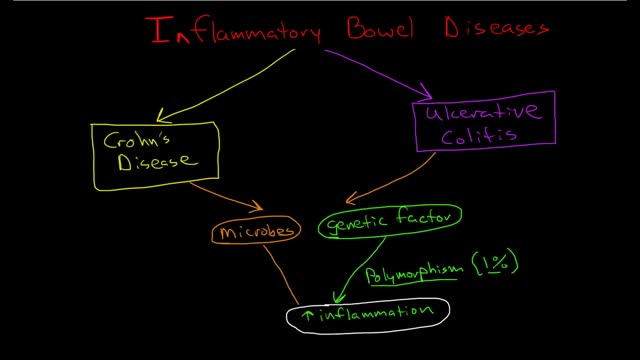
Crohn's disease is a type of inflammatory bowel disease. Inflammation can affect any part of the digestive tract from mouth to anus, most commonly the end of the small intestine and the beginning of the large intestine. Unlike ulcerative colitis, inflammation in Crohn's can extend through the full thickness of the bowel wall and can appear in patches, with healthy bowel in between. The condition follows a relapsing pattern, with flares and remission. Long-term inflammation can lead to narrowing of the bowel, abnormal connections called fistulas, and nutritional problems.
Symptoms
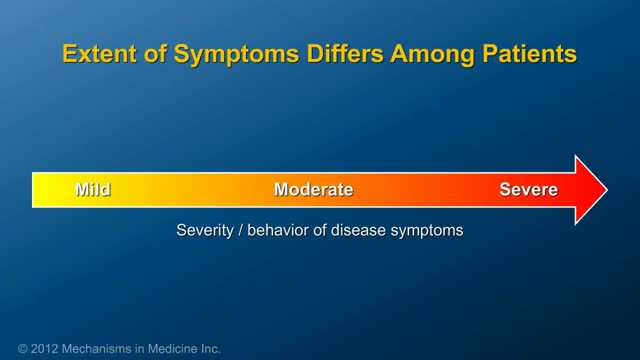
Common symptoms include persistent diarrhoea, cramping abdominal pain, urgency to open the bowels, blood or mucus in the stool, tiredness, loss of appetite, and unintended weight loss. Some people develop mouth ulcers, pain or swelling around the back passage, or abscesses. Crohn's can also affect areas outside the gut, causing joint pain, eye inflammation, or skin problems. In children, growth and puberty can be affected. Symptoms vary in severity and may come and go; ongoing symptoms should not be assumed to be irritable bowel syndrome without proper assessment.
Causes & risk factors
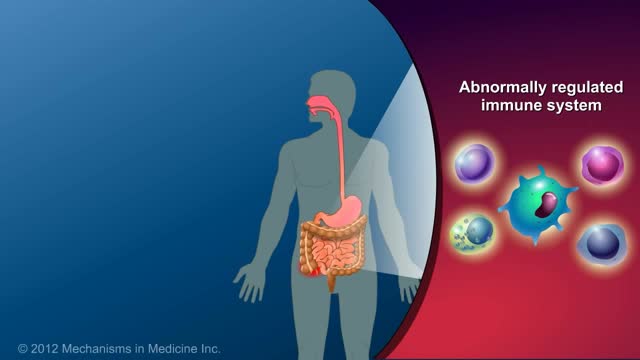
The exact cause of Crohn's disease is not fully understood. It is thought to arise from an abnormal immune response to gut bacteria in people with a genetic susceptibility, influenced by environmental factors. It is not caused by a single food or by stress, although both can worsen symptoms. Smoking clearly worsens Crohn's, increasing flares and the need for surgery. Family history raises risk somewhat, but most relatives never develop the condition. Crohn's is not contagious, and it is not an infection, even though infections can trigger symptom flares.
How it's diagnosed
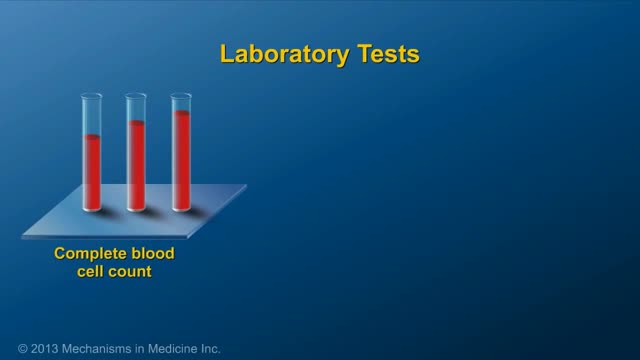
Diagnosis usually combines blood and stool tests, imaging, and endoscopy. Blood tests can show inflammation and anaemia, and stool tests help exclude infection and measure gut inflammation. A colonoscopy with biopsies lets a specialist examine the bowel lining and take tissue samples. Scans such as MRI of the small bowel show inflammation, narrowing, and fistulas without radiation. Because symptoms overlap with infection, coeliac disease, and irritable bowel syndrome, several tests are often needed before diagnosis is confirmed by an inflammatory bowel disease specialist team.
Treatment overview
Treatment aims to control inflammation, achieve remission, heal the bowel, and maintain nutrition. Options include medicines that reduce immune activity in the gut, ranging from anti-inflammatory and immune-modifying tablets to targeted biologic and advanced therapies given by injection or infusion. Short courses of steroids may calm flares but are not used long term. Nutritional support, treating anaemia, and stopping smoking are central. Surgery is not a cure but can help with strictures, fistulas, or disease that medicines cannot control.
When to seek care
Seek prompt care for severe abdominal pain, persistent vomiting, signs of dehydration, heavy rectal bleeding, high fever, rapid weight loss, or a painful swelling near the back passage. These can signal a blockage, abscess, or severe flare needing urgent treatment. Also contact your team if usual flare treatment is not helping within the agreed timeframe.
Frequently asked questions
What is the difference between Crohn's disease and ulcerative colitis?
Both are inflammatory bowel diseases. Crohn's can affect any part of the digestive tract and inflammation can go through the full bowel wall, often in patches. Ulcerative colitis affects only the large intestine and rectum, and only the inner lining, in a continuous pattern.
Can diet cure Crohn's disease?
No diet has been shown to cure Crohn's disease, and medicines that control inflammation remain the core of treatment. Eating well supports energy, growth, and healing, and some people identify personal trigger foods during flares. Restrictive diets risk nutritional deficiency, so major changes should be discussed with the specialist team or a dietitian.
Will I need surgery for Crohn's disease?
Some people need surgery at some point, for example to remove a narrowed or damaged section of bowel or to treat fistulas and abscesses. Surgery can give long periods of relief but is not a cure, so medical treatment and monitoring usually continue. Decisions are made jointly with the specialist team.
Is Crohn's disease caused by stress?
Stress does not cause Crohn's disease, which is driven by immune and genetic factors. However, stress and poor sleep can make symptoms feel worse and may coincide with flares.
More in Digestive
Related topics on MedicalVideos.com
Sources & further reading
Authoritative references for readers who want to go deeper:
- MedlinePlus: Crohn's Disease
- Crohn's & Colitis Foundation: Crohn's Disease (Crohn's & Colitis Foundation)
- NHS: Crohn's disease
This page is for general education only and is not medical advice. Severe pain, vomiting, fever, or heavy bleeding during a Crohn's flare can signal a complication and needs urgent specialist assessment.