
- Physical Examination
- Surgical Examination
- Ophthalmology
- Clinical Skills
- Orthopedics
- Surgery Videos
- Laparoscopy
- Pediatrics
- Funny Videos
- Cardiothoracic Surgery
- Nursing Videos
- Plastic Surgery
- Otorhinolaryngology
- Histology and Histopathology
- Neurosurgery
- Dermatology
- Pediatric Surgery
- Urology
- Dentistry
- Oncology and Cancers
- Anatomy Videos
- Health and Fitness
- Radiology
- Anaesthesia
- Physical Therapy
- Pharmacology
- Interventional Radiology
- Cardiology
- Endocrinology
- Gynecology
- Emergency Medicine
- Psychiatry and Psychology
- Childbirth Videos
- General Medical Videos
- Nephrology
- Physiology
- Diet and Food Health
- Diabetes Mellitus
- Neurology
- Women Health
- Osteoporosis
- Gastroenterology
- Pulmonology
- Hematology
- Rheumatology
- Toxicology
- Nuclear Medicine
- Infectious Diseases
- Vascular Disease
- Reproductive Health
- Burns and Wound Healing
- Kidney Zone Podcast
- Other
Irritable Bowel Syndrome (IBS)
Irritable bowel syndrome, or IBS, is a common condition affecting how the bowel works, causing pain, bloating, and changed bowel habits. This page explains IBS symptoms, causes, and treatment in plain language, with helpful videos throughout.
✓ Medically reviewed by Dr. Mohamed Ibrahim, MD, PhD — physician-scientist · Last reviewed: November 2026
In short: IBS is a long-term disorder of gut function rather than visible bowel damage. Symptoms include abdominal pain linked to bowel movements, bloating, and diarrhea, constipation, or both. Care focuses on diet, lifestyle, stress management, and symptom-targeted medicines.
Watch: Irritable Bowel Syndrome (IBS) videos

Read: the plain-language guide
Overview
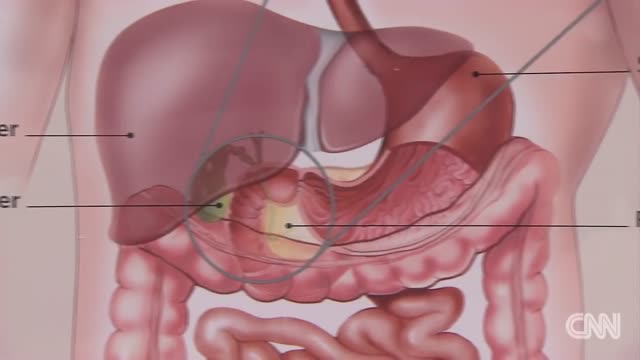
IBS affects the large intestine and the way the gut and brain communicate. The bowel itself looks normal on tests, but it is more sensitive and its muscle contractions may be stronger or weaker than usual. This leads to pain, gas, and altered bowel habits that come and go over time. IBS is grouped by its main pattern: mainly diarrhea, mainly constipation, or a mix of both. It can be disruptive and uncomfortable, but it does not damage the bowel permanently or increase the risk of bowel cancer. Many people find a combination of approaches that keeps symptoms manageable.
Symptoms
The central symptom is abdominal pain or cramping that is often related to bowel movements and may ease afterwards. Bloating and a feeling of fullness are very common, along with excess gas. Bowel habits change: stools may be loose and urgent, hard and infrequent, or alternate between the two. Some people notice mucus in the stool or a feeling that the bowel has not emptied fully. Symptoms often flare with stress, certain foods, hormonal changes, or after a stomach infection, and may settle for weeks at a time between flares.
Causes & risk factors
The exact cause of IBS is not fully understood, and several factors likely combine. The gut may be extra sensitive to stretching from gas or stool, and signals between the brain and gut may be amplified, making normal digestion feel painful. Changes in gut muscle movement, the balance of gut microbes, and low-grade inflammation may all play a part. IBS sometimes begins after a significant intestinal infection. Stress does not cause IBS, but it commonly worsens symptoms. Food sensitivities, including to certain fermentable carbohydrates, can trigger flares in many people.
How it's diagnosed
There is no single test for IBS. Clinicians usually diagnose it from the symptom pattern and by excluding other conditions. A history and examination are often supported by basic blood and stool tests, and testing for celiac disease is commonly considered. Further tests, such as colonoscopy, are used when symptoms are atypical, begin later in life, or include warning features like bleeding or weight loss. A confident diagnosis matters because IBS treatment differs from treatment for inflammatory bowel disease, infections, or other look-alike conditions that require different care.
Treatment overview
Treatment is tailored to the main symptoms and is often a combination of approaches. Dietary changes are a common first step, such as adjusting fiber intake, identifying trigger foods, or a dietitian-guided low-FODMAP approach. Regular activity, good sleep, and stress-management techniques help many people, and gut-directed psychological therapies can be useful. Medicines may target pain, spasm, diarrhea, or constipation depending on the pattern, and are chosen with a clinician. Because triggers and responses differ so much, treatment is individual and often refined over several visits rather than fixed at the first attempt.
When to seek care
Seek prompt assessment for rectal bleeding, black stools, unintentional weight loss, persistent vomiting, fever, or pain that steadily worsens or wakes you from sleep. New bowel symptoms starting later in life, or a strong family history of bowel cancer or inflammatory bowel disease, also warrant investigation. These features are not typical of IBS and need another explanation.
Frequently asked questions
Is IBS the same as inflammatory bowel disease?
No. IBS is a disorder of gut function and sensitivity without visible bowel damage. Inflammatory bowel disease, such as Crohn's disease and ulcerative colitis, involves inflammation that can damage the bowel and is treated differently.
Can stress cause IBS?
Stress does not cause IBS, but the gut and brain are closely connected, and stress commonly triggers or worsens flares. Stress-management, sleep, and psychological therapies aimed at gut symptoms can be a valuable part of treatment.
Should I cut out foods if I have IBS?
Some foods trigger symptoms, but broad restrictions risk an unbalanced diet. It is better to identify personal triggers gradually, ideally with a dietitian. Structured approaches such as low-FODMAP are meant to be temporary and guided, not permanent.
Does IBS increase the risk of bowel cancer?
IBS itself does not increase the risk of bowel cancer and does not damage the bowel. However, warning symptoms such as bleeding or weight loss should always be investigated, because they are not explained by IBS alone.
More in Digestive
Related topics on MedicalVideos.com
Sources & further reading
Authoritative references for readers who want to go deeper:
- MedlinePlus: Irritable Bowel Syndrome
- NHS: Irritable Bowel Syndrome (IBS)
- American College of Gastroenterology: Irritable Bowel Syndrome (IBS) (American College of Gastroenterology)
This page is for general education only and is not medical advice. Rectal bleeding, black stools, or unintentional weight loss are not typical of IBS and should always be investigated promptly rather than attributed to it.