
- Physical Examination
- Surgical Examination
- Ophthalmology
- Clinical Skills
- Orthopedics
- Surgery Videos
- Laparoscopy
- Pediatrics
- Funny Videos
- Cardiothoracic Surgery
- Nursing Videos
- Plastic Surgery
- Otorhinolaryngology
- Histology and Histopathology
- Neurosurgery
- Dermatology
- Pediatric Surgery
- Urology
- Dentistry
- Oncology and Cancers
- Anatomy Videos
- Health and Fitness
- Radiology
- Anaesthesia
- Physical Therapy
- Pharmacology
- Interventional Radiology
- Cardiology
- Endocrinology
- Gynecology
- Emergency Medicine
- Psychiatry and Psychology
- Childbirth Videos
- General Medical Videos
- Nephrology
- Physiology
- Diet and Food Health
- Diabetes Mellitus
- Neurology
- Women Health
- Osteoporosis
- Gastroenterology
- Pulmonology
- Hematology
- Rheumatology
- Toxicology
- Nuclear Medicine
- Infectious Diseases
- Vascular Disease
- Reproductive Health
- Burns and Wound Healing
- Kidney Zone Podcast
- Other
Celiac Disease
Celiac disease is an immune condition in which gluten, a protein in wheat, barley, and rye, damages the lining of the small intestine. This guide explains celiac symptoms, testing, and treatment in plain language, with videos.
✓ Medically reviewed by Dr. Mohamed Ibrahim, MD, PhD — physician-scientist · Last reviewed: November 2026
In short: In celiac disease, eating gluten triggers immune damage to the small intestine, reducing nutrient absorption. The treatment is a strict, lifelong gluten-free diet, which usually allows the gut to heal and symptoms to settle.
Watch: Celiac Disease videos

Read: the plain-language guide
Overview
Celiac disease is an autoimmune condition, not a food allergy or simple intolerance. When a person with celiac disease eats gluten, the immune system attacks the small intestine, flattening the tiny finger-like projections called villi that absorb nutrients. Over time this can lead to deficiencies of iron, folate, vitamin D, and calcium, and to bone thinning if untreated. Celiac disease can develop at any age and runs in families. With a strict gluten-free diet, the intestinal lining usually recovers, although the underlying sensitivity to gluten remains lifelong.
Symptoms
Symptoms vary widely, and some people have none that they notice. Digestive symptoms include diarrhoea, bloating, wind, abdominal pain, constipation, and nausea. Others develop tiredness, weight loss, mouth ulcers, and anaemia from poor absorption. An intensely itchy, blistery skin rash called dermatitis herpetiformis is a skin form of the condition. Children may grow slowly or have delayed puberty. Because symptoms overlap with irritable bowel syndrome and other conditions, and because silent disease still causes damage, testing is important when celiac disease is suspected.
Causes & risk factors
Celiac disease develops in people with certain genetic markers who eat gluten; the genes are necessary but not sufficient, and many people with the markers never develop the condition. Environmental factors, possibly including gut infections and the timing and amount of gluten exposure, may influence onset. It is not caused by poor diet or hygiene and is not contagious. Close relatives of someone with celiac disease have a higher chance of having it, so clinicians often suggest testing for parents, siblings, and children, even without symptoms.
How it's diagnosed
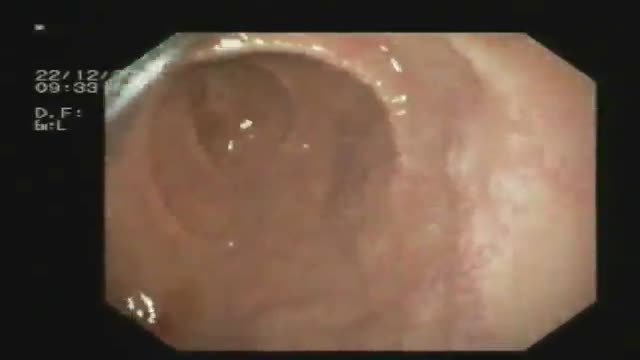
Diagnosis starts with blood tests for specific antibodies while the person is still eating gluten, because tests can become negative on a gluten-free diet. If antibodies are positive, a specialist usually confirms the diagnosis with a small biopsy of the small intestine taken during endoscopy; in some children, guidelines allow diagnosis without biopsy in defined circumstances. Genetic testing can help rule the condition out. It is important not to start a gluten-free diet before testing, as this can make results unreliable and delay a clear diagnosis.
Treatment overview
The only established treatment is a strict, lifelong gluten-free diet, avoiding wheat, barley, rye, and foods contaminated with them. A dietitian's help is valuable for learning label reading, avoiding cross-contact in kitchens and restaurants, and keeping the diet nutritionally complete. Symptoms often improve within weeks to months, and blood markers and the gut lining are monitored during follow-up. Deficiencies such as iron or vitamin D are corrected, and bone health is checked.
When to seek care
Seek care for ongoing diarrhoea, significant weight loss, severe abdominal pain, vomiting, or signs of dehydration. People with diagnosed celiac disease should contact their team if symptoms persist despite a careful gluten-free diet, as this needs review for accidental gluten exposure or another condition. Children with poor growth should be assessed promptly rather than waiting.
Frequently asked questions
Is celiac disease the same as a wheat allergy or gluten intolerance?
No. Celiac disease is an autoimmune condition where gluten damages the small intestine. Wheat allergy is an allergic reaction to wheat proteins and can cause hives or breathing symptoms. Some people feel unwell with gluten without celiac disease or allergy, which is described differently and does not cause the same intestinal damage.
Can I eat small amounts of gluten if I feel fine?
For people with celiac disease, even small amounts of gluten can keep the intestinal damage going, sometimes without obvious symptoms. That is why the diet needs to be strict and lifelong, including care with sauces, processed foods, and cross-contact during cooking. A dietitian can help make strict avoidance practical and sustainable.
Should I stop gluten before being tested?
No. Antibody tests and biopsies rely on an immune response to gluten, so stopping gluten first can produce falsely reassuring results and an unclear diagnosis. If you have already stopped, tell the clinician, as a planned period of eating gluten again may be discussed. Always follow specialist advice rather than testing yourself.
Should my family be tested for celiac disease?
Close relatives have a higher chance of celiac disease, including without symptoms, so clinicians often recommend testing parents, siblings, and children of someone diagnosed. Your clinician can advise who should be tested and when, including repeat testing for children.
More in Digestive
Related topics on MedicalVideos.com
Sources & further reading
Authoritative references for readers who want to go deeper:
- MedlinePlus: Celiac Disease
- NHS: Coeliac disease
- CDC: Celiac Disease (CDC)
This page is for general education only and is not medical advice. Do not start a gluten-free diet before celiac testing is complete, and seek prompt care for weight loss, dehydration, or severe symptoms.