
- Physical Examination
- Surgical Examination
- Ophthalmology
- Clinical Skills
- Orthopedics
- Surgery Videos
- Laparoscopy
- Pediatrics
- Funny Videos
- Cardiothoracic Surgery
- Nursing Videos
- Plastic Surgery
- Otorhinolaryngology
- Histology and Histopathology
- Neurosurgery
- Dermatology
- Pediatric Surgery
- Urology
- Dentistry
- Oncology and Cancers
- Anatomy Videos
- Health and Fitness
- Radiology
- Anaesthesia
- Physical Therapy
- Pharmacology
- Interventional Radiology
- Cardiology
- Endocrinology
- Gynecology
- Emergency Medicine
- Psychiatry and Psychology
- Childbirth Videos
- General Medical Videos
- Nephrology
- Physiology
- Diet and Food Health
- Diabetes Mellitus
- Neurology
- Women Health
- Osteoporosis
- Gastroenterology
- Pulmonology
- Hematology
- Rheumatology
- Toxicology
- Nuclear Medicine
- Infectious Diseases
- Vascular Disease
- Reproductive Health
- Burns and Wound Healing
- Kidney Zone Podcast
- Other
Hemorrhoids
Hemorrhoids are swollen veins in the lower rectum and around the anus, often called piles. This page explains their symptoms, causes, and treatment in plain language, with videos to help you follow the key points.
✓ Medically reviewed by Dr. Mohamed Ibrahim, MD, PhD — physician-scientist · Last reviewed: November 2026
In short: Hemorrhoids are very common and often settle with simple measures: more fibre, enough fluids, and avoiding straining. They can cause itching, discomfort, and bright red bleeding. Any rectal bleeding should still be checked, because hemorrhoids are not its only cause.
Watch: Hemorrhoids videos
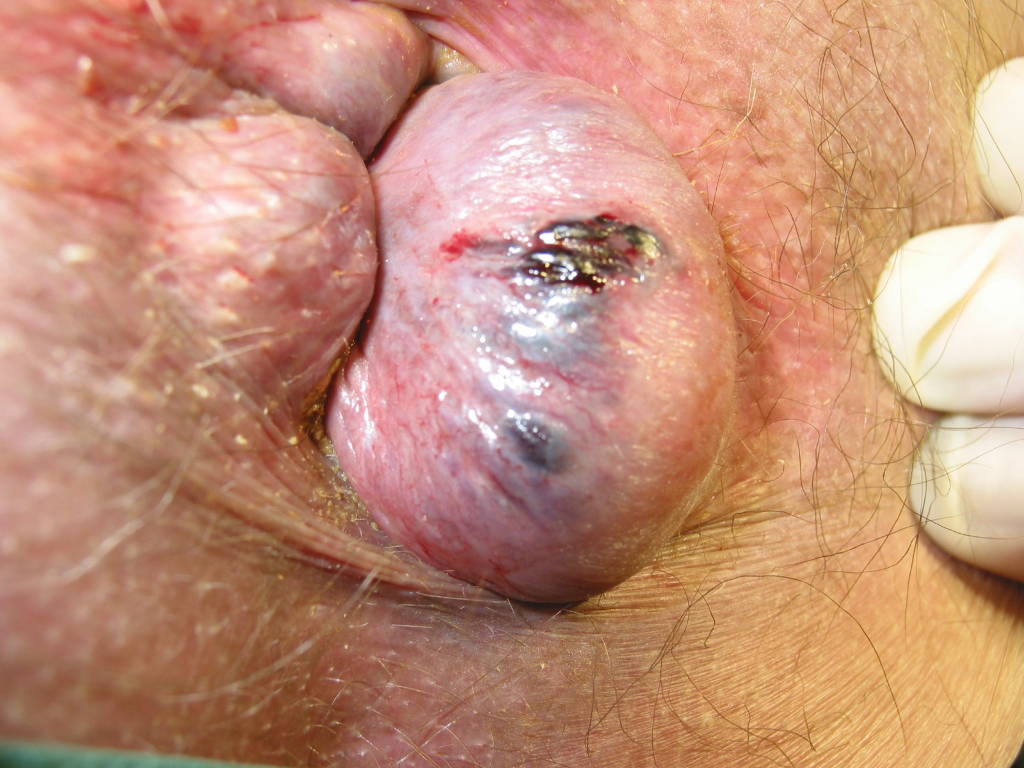 Hemorrhoids Repairing Surgery Explained
58,193 views
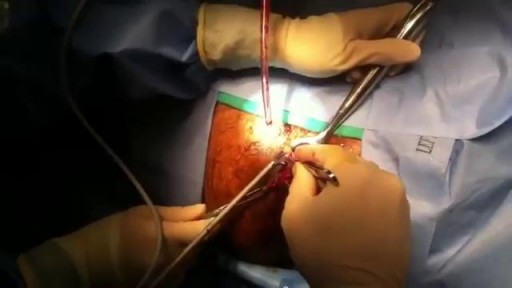 Hemorrhoids Surgical Repairing Operation
48,391 views
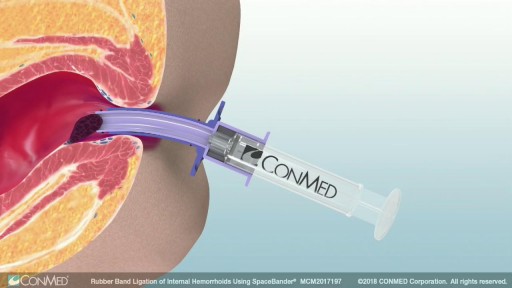 Rubber Band Ligation of Internal Hemorrhoids Using Space Bander
39,530 views
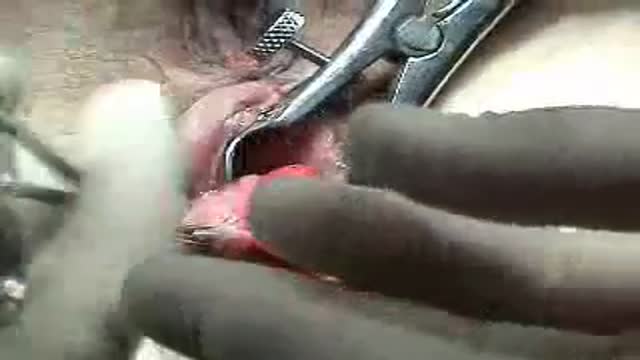 Hemorrhoidectomy Surgery
36,207 views
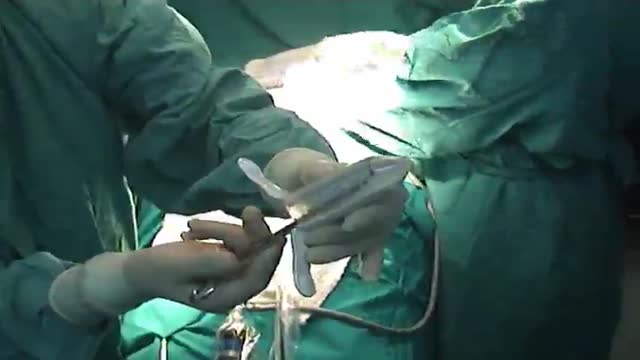 Special Anoscope for Easy Purse-string Suture Application in Stapled Hemorrhoidopexy
34,958 views
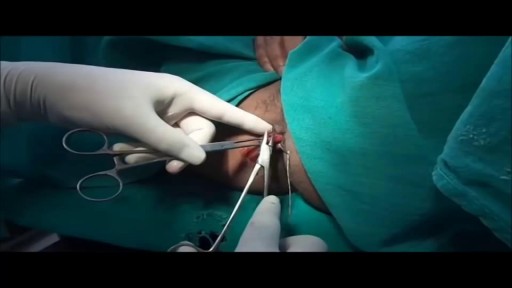 Hemorrhoids Repairing Medical Surgery Video
27,768 views
Read: the plain-language guide
Overview
Everyone has small cushions of blood vessels around the anus that help with fine control of the bowels. Hemorrhoids develop when these cushions become swollen and stretched. Internal hemorrhoids form inside the rectum and may push outward during a bowel movement; external hemorrhoids form under the skin around the anus and can be felt as small lumps. A clot can form in an external hemorrhoid, causing sudden pain. Hemorrhoids are not dangerous in themselves, but their symptoms overlap with other conditions that do need checking.
Symptoms
Common symptoms include itching or irritation around the anus, discomfort or pain when sitting or passing stool, and small lumps near the anus. Bleeding is typical: bright red blood on the toilet paper, in the pan, or coating the stool. Internal hemorrhoids are usually painless unless they prolapse, meaning they push out and cannot easily return. A thrombosed external hemorrhoid causes a sudden, painful, tender lump. Mucus discharge and a feeling of incomplete emptying can also occur.
Causes & risk factors
Straining to pass hard stools is the main driver, because it raises pressure in the veins around the anus. Constipation, sitting on the toilet for long periods, and heavy lifting add to the strain. Pregnancy increases pressure in the pelvis and commonly triggers hemorrhoids, as does childbirth. Carrying extra weight, a low-fibre diet, and chronic diarrhoea or coughing also contribute. Risk rises with age as the supporting tissues weaken. Often several of these factors combine rather than a single cause.
How it's diagnosed
A clinician will ask about symptoms and bowel habits and examine the area, sometimes with a gloved finger examination of the rectum. A short viewing instrument may be used to see internal hemorrhoids. Because bleeding can also come from inflammation, polyps, or bowel cancer, further tests such as colonoscopy may be arranged, particularly for older adults, people with a family history of bowel cancer, or anyone with changed bowel habits, weight loss, or abdominal pain alongside the bleeding.
Treatment overview
Most hemorrhoids improve with lifestyle measures: eating more fibre, drinking enough fluid, and avoiding straining or long toilet sitting, so stools stay soft. Warm baths and gentle cleaning ease irritation. Creams and suppositories can soothe symptoms for short periods. Persistent internal hemorrhoids may be treated in clinic with banding, where a tiny band cuts off the blood supply, or other procedures. Surgery is reserved for large, prolapsed, or repeatedly troublesome hemorrhoids. A painful clot may be drained early for faster relief.
When to seek care
Seek prompt care for rectal bleeding that is heavy or keeps happening, black or dark red stools, severe anal pain, or bleeding with weight loss or changed bowel habits. These need proper assessment without delay and should never be assumed to be hemorrhoids alone, however typical the symptoms may seem at first glance.
Frequently asked questions
Do hemorrhoids turn into cancer?
No, hemorrhoids do not turn into cancer. However, bowel cancer and other conditions can cause similar bleeding, which is why new or persistent rectal bleeding should always be checked rather than assumed to be piles, especially in older adults.
How long do hemorrhoids take to settle?
Mild hemorrhoids often improve within about a week with fibre, fluids, and avoiding straining. A painful clot can hurt intensely for a few days before easing. If symptoms persist beyond a short trial of simple measures, ask for review and treatment options.
What is the banding procedure for hemorrhoids?
Banding is a clinic procedure for internal hemorrhoids. A tiny elastic band is placed around the base of the hemorrhoid, cutting off its blood supply so it shrivels and falls away. It is usually quick, and discomfort afterwards is generally mild.
Can hemorrhoids come back after treatment?
Yes, hemorrhoids can return, especially if constipation and straining continue. Keeping stools soft with fibre and fluids, staying active, and avoiding long periods sitting on the toilet give the best protection against recurrence after any procedure or surgery.
More in Digestive
Related topics on MedicalVideos.com
Sources & further reading
Authoritative references for readers who want to go deeper:
This page is for general education only and is not medical advice. Rectal bleeding should always be checked by a clinician, even when hemorrhoids seem the obvious cause.