
- Physical Examination
- Surgical Examination
- Ophthalmology
- Clinical Skills
- Orthopedics
- Surgery Videos
- Laparoscopy
- Pediatrics
- Funny Videos
- Cardiothoracic Surgery
- Nursing Videos
- Plastic Surgery
- Otorhinolaryngology
- Histology and Histopathology
- Neurosurgery
- Dermatology
- Pediatric Surgery
- Urology
- Dentistry
- Oncology and Cancers
- Anatomy Videos
- Health and Fitness
- Radiology
- Anaesthesia
- Physical Therapy
- Pharmacology
- Interventional Radiology
- Cardiology
- Endocrinology
- Gynecology
- Emergency Medicine
- Psychiatry and Psychology
- Childbirth Videos
- General Medical Videos
- Nephrology
- Physiology
- Diet and Food Health
- Diabetes Mellitus
- Neurology
- Women Health
- Osteoporosis
- Gastroenterology
- Pulmonology
- Hematology
- Rheumatology
- Toxicology
- Nuclear Medicine
- Infectious Diseases
- Vascular Disease
- Reproductive Health
- Burns and Wound Healing
- Kidney Zone Podcast
- Other
Dark velvety skin patches
✓ Medically reviewed by Mohamed Magdy Ibrahim, MD, PhD — Assistant Professor of Medicine, Transplant Nephrology, University of Maryland School of Medicine · Board certified in Internal Medicine (ABIM) · Last reviewed: November 2026
Category: Skin, Hair & Nails · All skin symptoms
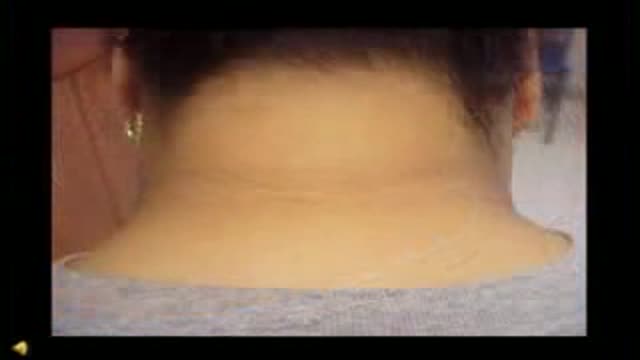
What it can feel like
Dark velvety skin patches (acanthosis nigricans) are areas of skin — typically the back and sides of the neck, armpits and groin — that become darker, thicker and soft or velvety to touch, sometimes with tiny skin tags. They are not dirt and do not wash off. They are best read as a skin sign of insulin resistance: the skin is reporting a metabolic pattern worth testing.
Possible causes
A symptom can have many causes, and most are not serious. The lists below group conditions this symptom can be associated with — common causes first. They are possibilities to discuss with a clinician, not a diagnosis.
Common causes
Dark velvety skin patches can be associated with insulin resistance and weight gain, type 2 diabetes (diagnosed or not yet diagnosed), polycystic ovary syndrome, and some medicines including insulin injections and hormonal treatments.
Other possible causes
They can also be associated with thyroid and other hormonal disorders. Very rarely, acanthosis nigricans appearing rapidly in an older person who is losing weight can be associated with an internal cancer, which is why that particular pattern is always investigated.
Red flags — when to seek help promptly
- Patches appearing rapidly over weeks together with unexplained weight loss
- Patches with thickening of the palms or changes inside the mouth
- Dark patches with excessive thirst, frequent urination or blurred vision (possible diabetes)
- Patches spreading widely with severe itching
What a clinician may do
A clinician will examine the patches and ask about weight, thirst and family history of diabetes. Blood tests usually centre on blood sugar or HbA1c, with hormone tests guided by the picture; treating the underlying driver is what fades the patches over time.
Watch: related videos
Examination and clinical videos from the MedicalVideos.com library relevant to this symptom. Some clinical footage is graphic — that is the nature of a medical video library.
Related guides on MedicalVideos.com
Frequently asked questions
Can these patches be scrubbed or bleached off?
No — the darkness is thickened skin driven by insulin signalling, not dirt or surface pigment, and scrubbing only irritates it. As insulin resistance improves with weight and metabolic treatment, the patches usually fade slowly over months.
Is it a sign of diabetes?
It is a sign of insulin resistance, which often precedes or accompanies type 2 diabetes. Finding the patches is a good prompt for a diabetes test even without other symptoms — many people are diagnosed exactly this way.
Related symptoms — Skin, Hair & Nails
Browse the D section of the A–Z list or return to the Symptoms A–Z hub.