
- Procedures & Tests
- Symptoms A-Z
- Symptom Checker
- Kidney Diet
- First Aid
- Anatomy Atlas
- Ask MedicalVideos
- Drug Guide
- Lab Values
- Vital Signs
- Muscles A–Z
- Clinical Signs
- Medical Abbreviations
- Medical Terminology
- Physical Examination
- Surgical Examination
- Ophthalmology
- Clinical Skills
- Orthopedics
- Surgery Videos
- Laparoscopy
- Pediatrics
- Medical Humor
- Cardiothoracic Surgery
- Nursing Videos
- Plastic Surgery
- Otorhinolaryngology
- Histology and Histopathology
- Neurosurgery
- Dermatology
- Pediatric Surgery
- Urology
- Dentistry
- Oncology and Cancers
- Anatomy Videos
- Health and Fitness
- Radiology
- Anaesthesia
- Physical Therapy
- Pharmacology
- Interventional Radiology
- Cardiology
- Endocrinology
- Gynecology
- Emergency Medicine
- Psychiatry and Psychology
- Childbirth Videos
- General Medical Videos
- Nephrology
- Physiology
- Diet and Food Health
- Diabetes Mellitus
- Neurology
- Women Health
- Osteoporosis
- Gastroenterology
- Pulmonology
- Hematology
- Rheumatology
- Toxicology
- Nuclear Medicine
- Infectious Diseases
- Vascular Disease
- Reproductive Health
- Burns and Wound Healing
- Kidney Zone Podcast
- Other




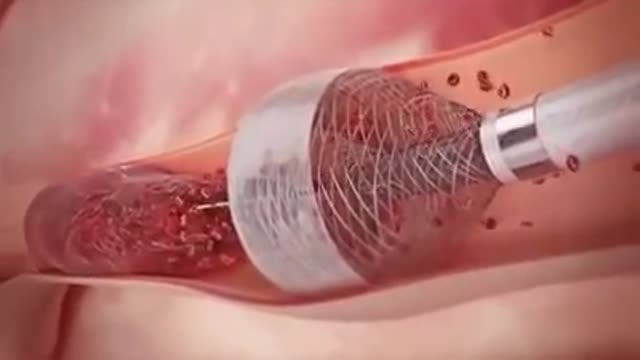
Open Heart Surgery
Doctor. Open Heart Surgery [video]. MedicalVideos.com; 2024 Jan 17 [cited 2026 Nov 27]. Available from: https://www.medicalvideos.com/watch/open-heart-surgery_mphoMC4xFCPSo1Tbicik.html
Doctor (2024, January 17). Open Heart Surgery [Video]. MedicalVideos.com. https://www.medicalvideos.com/watch/open-heart-surgery_mphoMC4xFCPSo1Tbicik.html
Doctor. “Open Heart Surgery.” MedicalVideos.com, 17 Jan. 2024, https://www.medicalvideos.com/watch/open-heart-surgery_mphoMC4xFCPSo1Tbicik.html. Accessed 27 Nov. 2026.
@misc{medicalvideos2024_mphoMC4xFCPSo1Tbicik,
  author = {Doctor},
  title = {Open Heart Surgery},
  publisher = {MedicalVideos.com},
  year = {2024},
  month = {1},
  url = {https://www.medicalvideos.com/watch/open-heart-surgery_mphoMC4xFCPSo1Tbicik.html},
  note = {Video},
  urldate = {2026-11-27}
}Vancouver (NLM) is the manuscript standard for medical journals. RIS imports into EndNote, Zotero and Mendeley.

Educational only: videos on MedicalVideos.com are for general information and are not medical advice. Always consult your own doctor about your health.
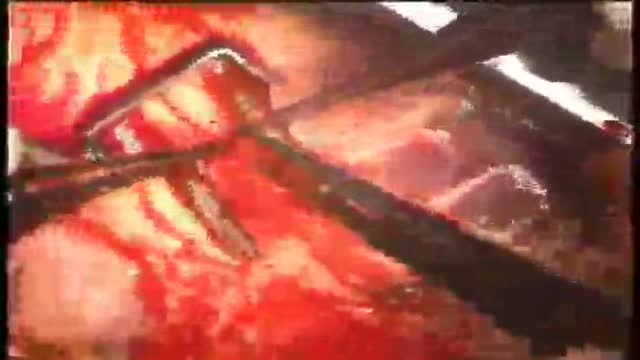
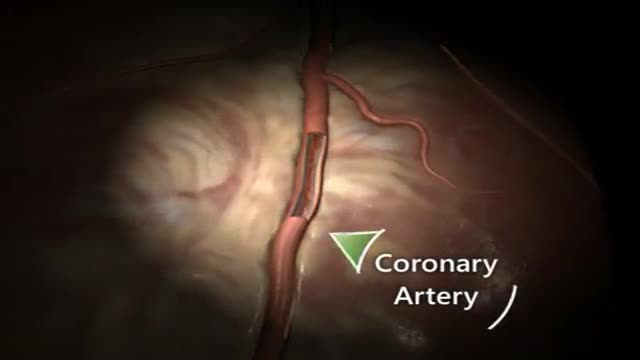
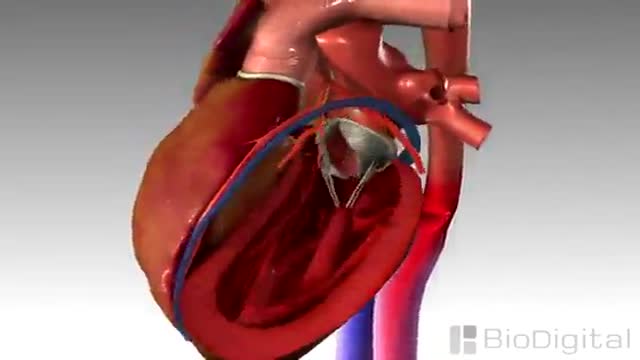
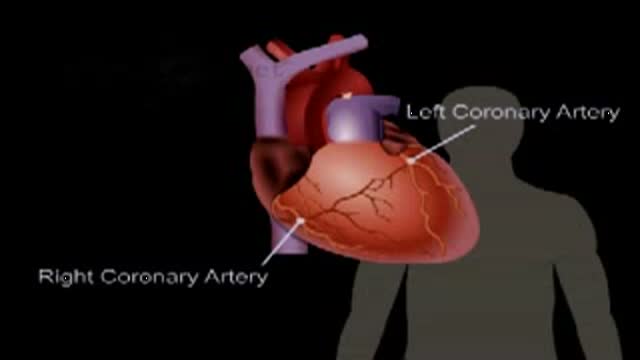
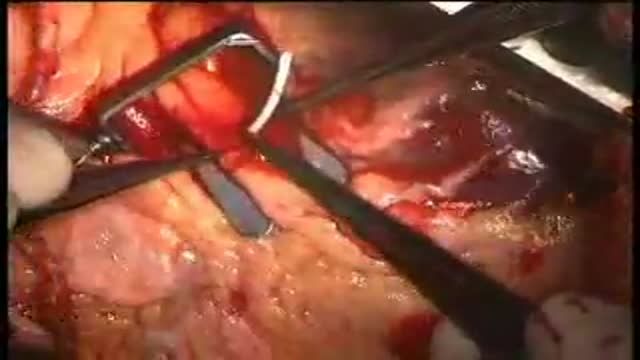
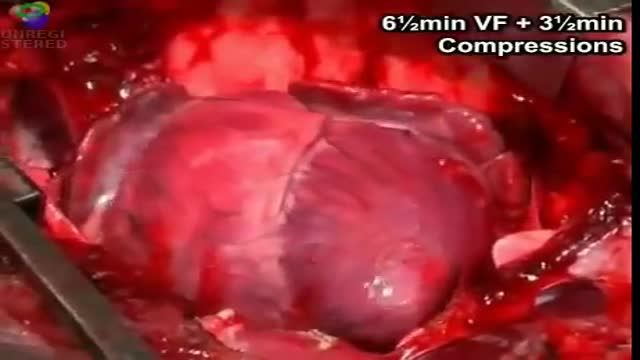
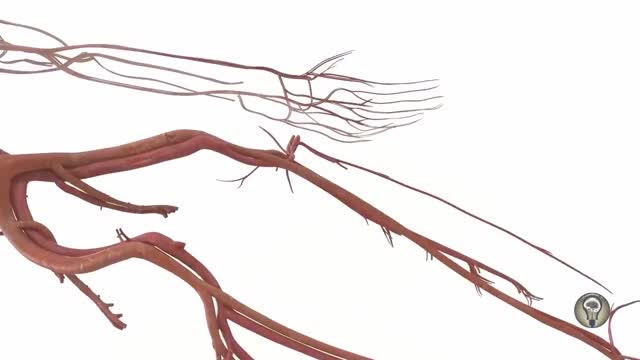
Open heart (coronary artery bypass, or CABG) surgery is performed in order to reroute, or "bypass," blood around blocked arteries, thereby improving the supply of oxygen-rich blood to the heart. Surgeons usually use an artery from the chest wall to construct the "detour" around the blocked part of the artery. Veins from the legs are also used.
This video in 30 seconds
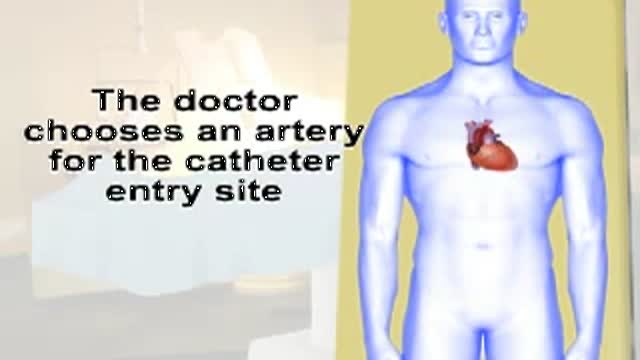
A narrated animation depicts open-heart bypass surgery in about eighty seconds. It steps through the chest incision and split sternum, the pericardium being opened, the heart-lung machine taking over circulation while the heart is cooled and stopped, and a leg vein being used to bypass the blockage.
Key points
- The animation shows a chest incision, split sternum, and retractor opening the space
- The pericardium is opened and secured out of the way to expose the heart
- A heart-lung machine is shown taking over circulation while the heart is stopped
- A vein from the leg is shown bypassing the blockage
Video Transcript
A narrated animation of open-heart bypass surgery in about eighty seconds. It steps through the chest incision and split sternum, the pericardium being opened, the heart-lung machine taking over circulation while the heart is cooled and stopped, and a leg vein being harvested to bypass the blockage.
Read the full transcript
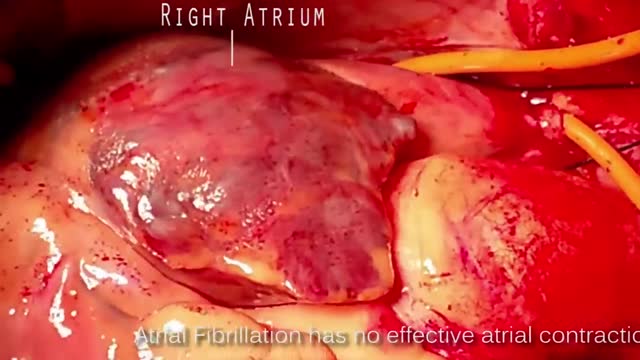
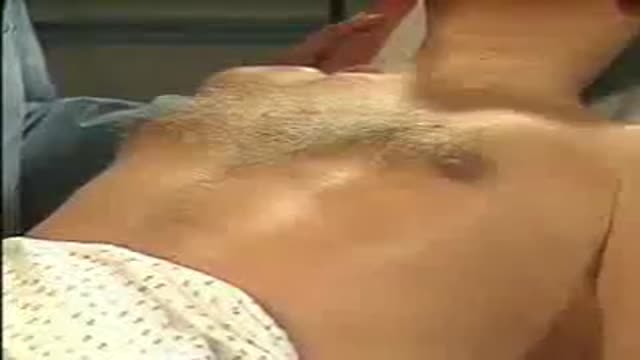
To begin the operation, a 6 to 8 inch incision is made in the chest and the sternum is split down the center. A retractor is inserted and used to further open the space created, revealing the thin layer of tissue covering the heart known as the pericardium. Another incision is made and the pericardium is secured out of the way, providing the surgeon with a clear view of the heart to perform the operation. During bypass surgery, the heart is cooled and stopped. In order for the patient to continue receiving oxygenated blood, the heart is connected to the heart and lung machine.
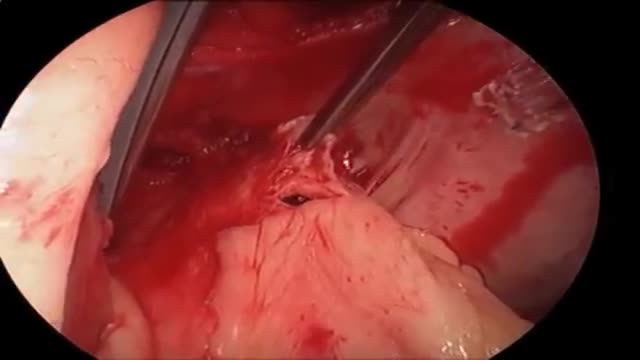
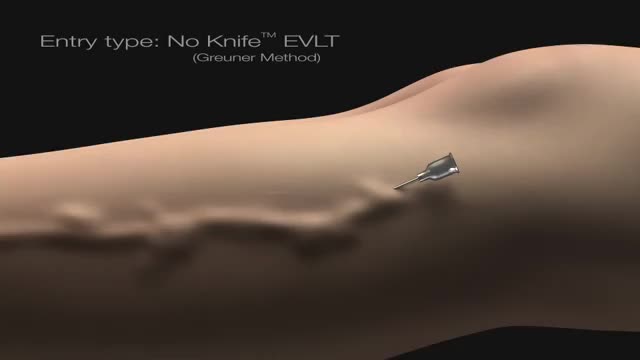
Carefully monitored by a technician at all times, this pump filters and oxygenates the patient's blood and recirculates it through the body. Typically, the greater saphenous vein from the patient's left leg is used for the bypass, and with groundbreaking technology, this vein is extracted from the leg through a hole roughly the size of a dime. The extracted vein bypasses the blockage by connecting to the aorta and the area just beyond the blockage on the heart.
Transcript auto-generated from the video’s audio for accessibility and study. Educational content only — not medical advice.
Related reading
Save videos for later
Create a free account to build your own watch-later list and playlists, and pick up where you left off on any device.
Medical Videos
Free medical and surgery videos for patients, students and professionals — trusted since 2007.
Founded by Dr. Mohamed Ibrahim, MD, PhD — physician-scientist.
Follow us on Facebook · Instagram
SORT BY-
Top Comments
-
Latest comments