
- Physical Examination
- Surgical Examination
- Ophthalmology
- Clinical Skills
- Orthopedics
- Surgery Videos
- Laparoscopy
- Pediatrics
- Funny Videos
- Cardiothoracic Surgery
- Nursing Videos
- Plastic Surgery
- Otorhinolaryngology
- Histology and Histopathology
- Neurosurgery
- Dermatology
- Pediatric Surgery
- Urology
- Dentistry
- Oncology and Cancers
- Anatomy Videos
- Health and Fitness
- Radiology
- Anaesthesia
- Physical Therapy
- Pharmacology
- Interventional Radiology
- Cardiology
- Endocrinology
- Gynecology
- Emergency Medicine
- Psychiatry and Psychology
- Childbirth Videos
- General Medical Videos
- Nephrology
- Physiology
- Diet and Food Health
- Diabetes Mellitus
- Neurology
- Women Health
- Osteoporosis
- Gastroenterology
- Pulmonology
- Hematology
- Rheumatology
- Toxicology
- Nuclear Medicine
- Infectious Diseases
- Vascular Disease
- Reproductive Health
- Burns and Wound Healing
- Kidney Zone Podcast
- Other
Aortic Aneurysm
An aortic aneurysm is a bulge in the wall of the aorta, the large artery that carries blood from the heart to the rest of the body. This page explains its symptoms, causes, and treatment in plain language, with videos to help you follow the key points.
✓ Medically reviewed by Dr. Mohamed Ibrahim, MD, PhD — physician-scientist · Last reviewed: November 2026
In short: In aortic aneurysm, a weakened section of the aorta swells outward. Most cause no symptoms and are found by chance, but a large aneurysm can burst and cause life-threatening bleeding. Care ranges from regular monitoring scans to surgery to repair the aorta.
Watch: Aortic Aneurysm videos
 Endovascular Repair for Abdominal Aortic Aneurysm
17,715 views
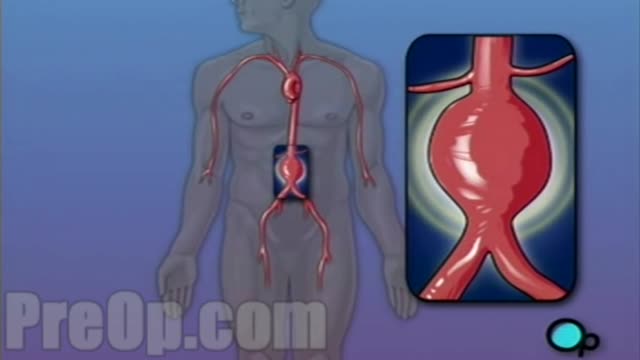 Abdominal Aortic Aneurysm Repair
8,842 views
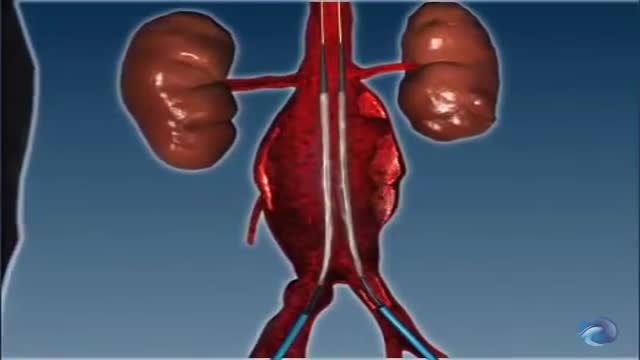 Endovascular Aneurysm Repair
6,249 views
 Aortic Aneurysm and Aortic Dissection
5,519 views
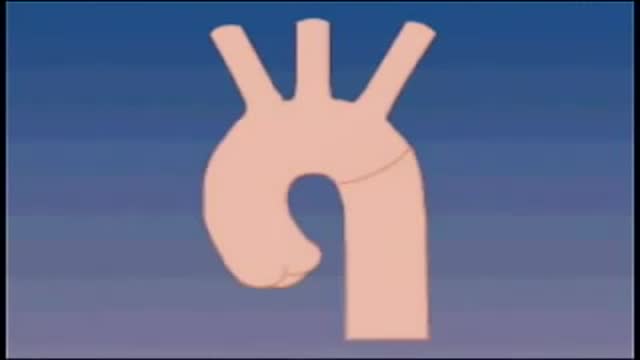 Causes of Aortic Aneurysms
4,075 views
 Is There A Way To Know If I Have An Aortic Aneurysm Before It Ruptures?
3,640 views
Read: the plain-language guide
Overview
The aorta is the body's main artery, running from the heart through the chest and abdomen. If part of its wall weakens, blood pressure can make that section bulge outward, forming an aneurysm. Most develop in the abdomen, called an abdominal aortic aneurysm, while others form in the chest. Many grow slowly over years without causing any problems. The danger is that a large or fast-growing aneurysm can tear or burst, causing severe internal bleeding. Because symptoms are often absent, aneurysms are frequently found on scans done for other reasons.
Symptoms
Most aortic aneurysms cause no symptoms at all. When symptoms do occur, an abdominal aneurysm may cause a deep, steady ache in the abdomen, side, or back, or a pulsing feeling near the belly button. An aneurysm in the chest can cause pain in the chest, back, or jaw, a hoarse voice, cough, or breathlessness if it presses on nearby structures. Any sudden, severe pain in the chest, abdomen, or back is an emergency, whether or not an aneurysm is known about.
Causes & risk factors
Aneurysms form where the artery wall has weakened. The same process that furs up arteries with fatty deposits also weakens their walls, so smoking, high blood pressure, and high cholesterol are major contributors. Risk rises with age, and aneurysms are more common in men and in people with a family history of the condition. Aneurysms in the chest are sometimes linked to inherited conditions that affect connective tissue, or to previous injury or infection of the aorta. Often several factors combine, and no single cause can be identified.
How it's diagnosed
An aneurysm may be spotted during a physical examination, but most are found on scans performed for other reasons. An ultrasound scan is the usual test for an abdominal aneurysm and can measure its size accurately. Some health systems offer a one-off screening ultrasound to higher-risk groups, such as older men who have smoked. Once an aneurysm is found, its size and rate of growth guide the plan, with scans repeated at intervals to watch for change.
Treatment overview
Treatment depends mainly on the size of the aneurysm and how fast it is growing. Small aneurysms that cause no symptoms are usually monitored with regular scans rather than treated straight away. Stopping smoking, controlling blood pressure, and cholesterol-lowering medicines help protect the artery and slow growth. When an aneurysm becomes large, grows quickly, or causes symptoms, your specialist may recommend repair, either with open surgery or with a stent graft placed through a blood vessel in the groin. The balance of risks is individual and is discussed before any decision.
When to seek care
Call emergency services immediately for sudden, severe pain in the chest, abdomen, or back, especially with fainting or clamminess. These can be signs that an aneurysm has burst, which is life-threatening and needs emergency surgery.
Frequently asked questions
Does an aortic aneurysm always need surgery?
No. Many aneurysms are small and grow slowly, so they are monitored with regular scans instead. Repair is usually recommended only when an aneurysm becomes large, grows quickly, or causes symptoms, because surgery carries risks that must be weighed against the risk of bursting.
Can an aneurysm burst without warning?
Yes, a burst aneurysm can be the first sign of the condition, which is why screening and regular monitoring matter. Keeping follow-up appointments and controlling blood pressure reduce risk, and knowing the emergency symptoms means help can be called quickly.
Does an aortic aneurysm run in families?
It can. Having a close relative with an aneurysm raises your own risk, particularly for aneurysms in the chest. If a parent or sibling has been diagnosed, tell your doctor, who may suggest a screening scan even if you have no symptoms.
Can I exercise with an aortic aneurysm?
Most people with a small, monitored aneurysm can stay active, and gentle exercise is good for blood pressure and health. Heavy straining and very intense lifting are often discouraged. Follow the advice of your specialist, who knows the size and position of your aneurysm.
More in Heart & Circulation
Related topics on MedicalVideos.com
Sources & further reading
Authoritative references for readers who want to go deeper:
This page is for general education only and is not medical advice. Sudden, severe pain in the abdomen, back, or chest in someone with a known aneurysm may mean it has burst, and needs emergency care immediately.