
- Physical Examination
- Surgical Examination
- Ophthalmology
- Clinical Skills
- Orthopedics
- Surgery Videos
- Laparoscopy
- Pediatrics
- Funny Videos
- Cardiothoracic Surgery
- Nursing Videos
- Plastic Surgery
- Otorhinolaryngology
- Histology and Histopathology
- Neurosurgery
- Dermatology
- Pediatric Surgery
- Urology
- Dentistry
- Oncology and Cancers
- Anatomy Videos
- Health and Fitness
- Radiology
- Anaesthesia
- Physical Therapy
- Pharmacology
- Interventional Radiology
- Cardiology
- Endocrinology
- Gynecology
- Emergency Medicine
- Psychiatry and Psychology
- Childbirth Videos
- General Medical Videos
- Nephrology
- Physiology
- Diet and Food Health
- Diabetes Mellitus
- Neurology
- Women Health
- Osteoporosis
- Gastroenterology
- Pulmonology
- Hematology
- Rheumatology
- Toxicology
- Nuclear Medicine
- Infectious Diseases
- Vascular Disease
- Reproductive Health
- Burns and Wound Healing
- Kidney Zone Podcast
- Other
Breast Cancer
Breast cancer is a cancer that starts in the cells of the breast, most often in the milk ducts or the glands that produce milk. This page explains its symptoms, causes, and treatment in plain language, with videos to help you follow the key points.
✓ Medically reviewed by Dr. Mohamed Ibrahim, MD, PhD — physician-scientist · Last reviewed: November 2026
In short: Breast cancer most often shows as a lump or thickening in the breast, but it can also change the breast's shape, skin, or nipple. It is confirmed by imaging and a tissue sample. Treatment usually combines surgery with radiotherapy, medicines, or both, planned by a specialist team.
Watch: Breast Cancer videos
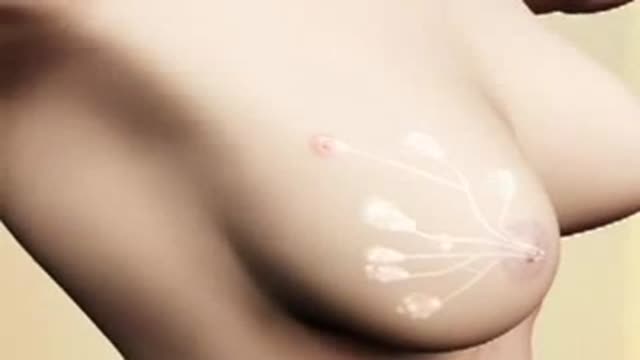 Spread of Breast Cancer
34,182 views
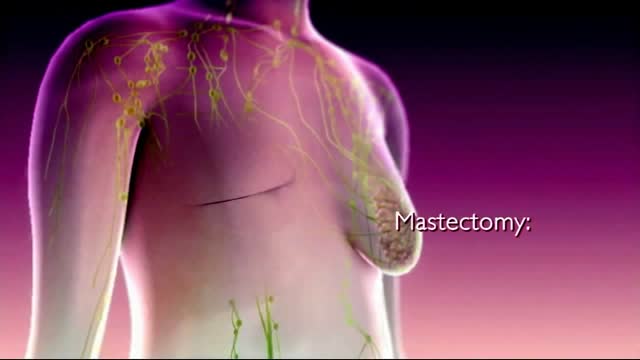 Treatment Options for Breast Cancer
29,209 views
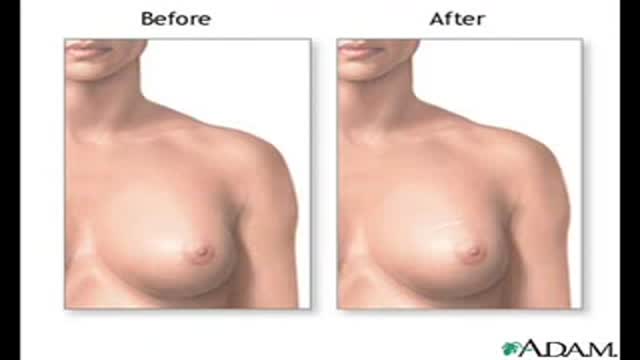 Breast Cancer Symptoms
21,225 views
 Breast Cancer Stages
18,548 views
 Sentinel Lymph Node Removal in Breast Cancer Français
16,211 views
 Sonographic Hematoma Guided resection of mammogram only visible breast cancer
15,621 views
Read: the plain-language guide
Overview
Breast cancer develops when cells in the breast grow and divide without normal control, forming a tumor that can invade surrounding tissue and spread to lymph nodes and other organs if untreated. There are several types, and laboratory tests on the tumor show whether it responds to hormones or to a protein called HER2, guiding which medicines are used. Early breast cancer often causes no symptoms, which is why screening exists. Care is delivered by specialist breast teams.
Symptoms
The most common sign is a new lump or area of thickening in the breast or armpit. Other signs include a change in the size or shape of the breast, dimpling or puckering of the skin, redness or a rash, and nipple changes such as turning inward, discharge, or a sore that does not heal. Breast pain alone is an uncommon first sign, but persistent pain in one spot should still be checked. Many lumps turn out to be benign cysts or other non-cancerous conditions, yet only proper assessment can tell the difference.
Causes & risk factors
The exact cause is unknown, and most women who develop breast cancer have no strong family history. Risk rises with age. Some cases are linked to inherited gene changes, such as BRCA1 and BRCA2, that run in some families. Hormonal factors play a part, including starting periods early, a late menopause, and some hormone therapies. Drinking alcohol, gaining weight after the menopause, and previous radiotherapy to the chest also raise risk. An injury or knock to the breast does not cause breast cancer, and the condition is not contagious.
How it's diagnosed
Assessment usually combines a clinical examination with imaging: a mammogram (breast X-ray) and often an ultrasound scan; an MRI is added in some situations. If imaging shows something suspicious, a needle biopsy takes a small tissue sample for laboratory testing, which confirms whether cancer is present and measures hormone and HER2 receptors. If cancer is confirmed, further scans may check whether it has spread. Screening mammography can detect cancers before they can be felt; eligibility varies by age and risk, so ask your doctor what applies to you.
Treatment overview
Treatment depends on the type, size, and stage of the cancer, its receptor results, and the person's overall health and preferences. Surgery is the main treatment: either removing the lump with a margin of tissue, or removing the whole breast, usually with sampling of the armpit lymph nodes. Radiotherapy often follows breast-conserving surgery. Medicines include chemotherapy, hormone-blocking treatment for hormone-sensitive cancers, targeted medicines such as HER2-directed treatment, and immunotherapy for some types. Many people receive a combination, sequenced by the specialist team.
When to seek care
Arrange a prompt appointment for any new breast lump, thickening, skin change, or nipple change rather than waiting for your next screening invitation. Seek more urgent review if the whole breast becomes red, hot, swollen, and painful over days, as this needs same-day assessment to distinguish infection from an aggressive cancer.
Frequently asked questions
Does a breast lump always mean cancer?
No. Most breast lumps are benign, such as cysts or fibroadenomas. However, there is no reliable way to tell by feel alone, so any new lump or thickening should be assessed with examination and imaging.
Can men get breast cancer?
Yes. Breast cancer in men is uncommon but real, and it usually presents as a lump behind the nipple or a nipple change. Men with these signs should have them checked promptly, just as women should.
What is a mammogram?
A mammogram is a low-dose X-ray of the breast used both to investigate symptoms and for screening people without symptoms. Screening can find cancers too small to feel. Who is invited varies — ask your doctor what applies to you.
Does treatment always mean removing the whole breast?
No. Many cancers are treated by removing only the lump with a margin of normal tissue, followed by radiotherapy, with outcomes equivalent to mastectomy for suitable cases. The choice depends on the tumor and the person's preference, discussed with the surgical team.
More in Cancer
Related topics on MedicalVideos.com
Sources & further reading
Authoritative references for readers who want to go deeper:
This page is for general education only and is not medical advice. Any new breast lump or nipple change should be checked promptly rather than waiting for the next routine screening appointment.