
- Physical Examination
- Surgical Examination
- Ophthalmology
- Clinical Skills
- Orthopedics
- Surgery Videos
- Laparoscopy
- Pediatrics
- Funny Videos
- Cardiothoracic Surgery
- Nursing Videos
- Plastic Surgery
- Otorhinolaryngology
- Histology and Histopathology
- Neurosurgery
- Dermatology
- Pediatric Surgery
- Urology
- Dentistry
- Oncology and Cancers
- Anatomy Videos
- Health and Fitness
- Radiology
- Anaesthesia
- Physical Therapy
- Pharmacology
- Interventional Radiology
- Cardiology
- Endocrinology
- Gynecology
- Emergency Medicine
- Psychiatry and Psychology
- Childbirth Videos
- General Medical Videos
- Nephrology
- Physiology
- Diet and Food Health
- Diabetes Mellitus
- Neurology
- Women Health
- Osteoporosis
- Gastroenterology
- Pulmonology
- Hematology
- Rheumatology
- Toxicology
- Nuclear Medicine
- Infectious Diseases
- Vascular Disease
- Reproductive Health
- Burns and Wound Healing
- Kidney Zone Podcast
- Other
Lung Cancer
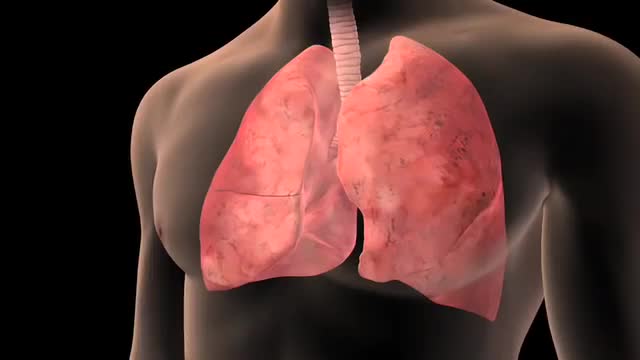
Lung cancer is a cancer that starts in the cells of the lungs, most often in the lining of the airways. This page explains its symptoms, causes, and treatment in plain language, with videos to help you follow the key points.
✓ Medically reviewed by Dr. Mohamed Ibrahim, MD, PhD — physician-scientist · Last reviewed: November 2026
In short: Lung cancer may cause a cough that will not settle, coughing up blood, breathlessness, chest pain, or unexplained weight loss, though early disease can cause no symptoms. Diagnosis uses scans and a tissue sample. Treatment depends on the type and stage and is planned by a specialist team.
Watch: Lung Cancer videos


Read: the plain-language guide
Overview
Lung cancer falls into two main groups: non-small cell lung cancer, which is the most common, and small cell lung cancer, which grows faster. The cancer starts in the airways or lung tissue and can spread to lymph nodes, bones, brain, liver, and the other lung. Early lung cancer often causes no symptoms and may only be found on a scan done for another reason. Treatment is individual and coordinated by a specialist team.
Symptoms
The most common symptom is a cough that does not go away after a few weeks, or a long-standing cough that changes character. Other features include coughing up blood, even small amounts, breathlessness, chest or shoulder pain, and repeated chest infections that keep returning in the same place. A hoarse voice, loss of appetite, unexplained weight loss, and persistent tiredness can also occur. These symptoms are more often caused by less serious conditions, but persistence is the key warning feature, especially in anyone who smokes or has smoked in the past.
Causes & risk factors
Smoking is the leading cause of lung cancer, and risk rises with how much and how long a person has smoked; breathing other people's smoke also adds risk. Other causes and risk factors include radon gas seeping into buildings, asbestos and certain workplace dusts and chemicals, air pollution, previous lung disease, and a family history of the condition. Some lung cancers develop in people who have never smoked, and these tumors more often carry gene changes that can be targeted by specific medicines.
How it's diagnosed
Assessment usually begins with a chest X-ray, followed by a CT scan of the chest. A tissue sample is needed to confirm the diagnosis and identify the type; this may be taken during a bronchoscopy (a camera test of the airways), by a needle through the chest wall, or from a lymph node. A PET scan and other tests check for spread and help stage the cancer. Lung function tests assess fitness for surgery, and laboratory testing of the tumor looks for gene changes that open up targeted treatment options.
Treatment overview
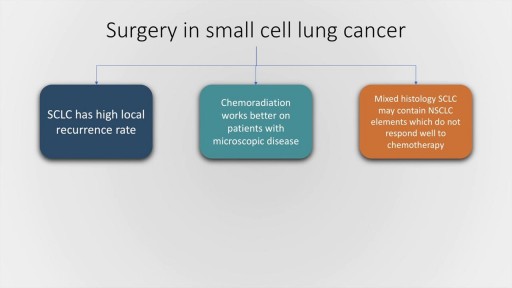
Treatment depends on the type and stage of the cancer and on the person's lung function and general health. Early non-small cell cancer may be removed by surgery, sometimes followed by chemotherapy. Radiotherapy can be an alternative to surgery or combined with chemotherapy. Targeted medicines attack specific gene changes in the tumor, and immunotherapy helps the immune system recognize and attack the cancer; both are now standard options for many advanced cancers. Small cell cancer is usually treated with chemotherapy, often with radiotherapy or immunotherapy. Symptom control and supportive care run alongside treatment at every stage.
When to seek care
Seek urgent medical assessment if you cough up blood, even once, or have a cough lasting more than about three weeks, worsening breathlessness, or unexplained weight loss. Call emergency services for severe breathlessness, coughing up a large amount of blood, or sudden severe chest pain.
Frequently asked questions
Do only smokers get lung cancer?
No. Smoking causes most cases, but lung cancer also occurs in people who have never smoked, linked to factors such as radon, secondhand smoke, workplace exposures, and tumor gene changes. A persistent cough deserves checking whatever your smoking history.
Is it too late to stop smoking after a lung cancer diagnosis?
No. Stopping smoking at any point improves breathing, helps wounds heal after surgery, and makes other treatments work better. Your care team can offer stop-smoking support and medicines that make quitting easier.
Can lung cancer be found early?
Screening with low-dose CT scans can find lung cancer early in some people at high risk, mainly long-term smokers and former smokers. Eligibility varies between countries and programs, so ask your doctor whether screening applies to you.
Why do treatments differ so much between patients?
Treatment is matched to the cancer's type, its stage, and the gene changes found in the tumor, as well as the person's fitness. Two people with lung cancer may therefore receive very different plans, each designed by a specialist team.
More in Cancer
Related topics on MedicalVideos.com
Sources & further reading
Authoritative references for readers who want to go deeper:
This page is for general education only and is not medical advice. Coughing up blood, even once and even a small amount, should be assessed urgently rather than waited out.