
- Physical Examination
- Surgical Examination
- Ophthalmology
- Clinical Skills
- Orthopedics
- Surgery Videos
- Laparoscopy
- Pediatrics
- Funny Videos
- Cardiothoracic Surgery
- Nursing Videos
- Plastic Surgery
- Otorhinolaryngology
- Histology and Histopathology
- Neurosurgery
- Dermatology
- Pediatric Surgery
- Urology
- Dentistry
- Oncology and Cancers
- Anatomy Videos
- Health and Fitness
- Radiology
- Anaesthesia
- Physical Therapy
- Pharmacology
- Interventional Radiology
- Cardiology
- Endocrinology
- Gynecology
- Emergency Medicine
- Psychiatry and Psychology
- Childbirth Videos
- General Medical Videos
- Nephrology
- Physiology
- Diet and Food Health
- Diabetes Mellitus
- Neurology
- Women Health
- Osteoporosis
- Gastroenterology
- Pulmonology
- Hematology
- Rheumatology
- Toxicology
- Nuclear Medicine
- Infectious Diseases
- Vascular Disease
- Reproductive Health
- Burns and Wound Healing
- Kidney Zone Podcast
- Other
Lymphoma
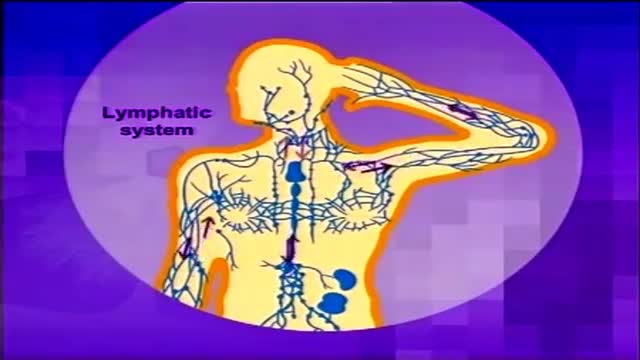
Lymphoma is a cancer of the lymphatic system, the network of glands, vessels, and organs that helps the body fight infection. This page explains its symptoms, causes, and treatment in plain language, with videos to help you follow the key points.
✓ Medically reviewed by Dr. Mohamed Ibrahim, MD, PhD — physician-scientist · Last reviewed: November 2026
In short: Lymphoma usually appears as a painless swelling of glands in the neck, armpit, or groin, sometimes with fevers, drenching night sweats, and weight loss. It is diagnosed by removing and testing a lymph gland. Treatment often centers on chemotherapy, sometimes combined with targeted medicines or radiotherapy.
Watch: Lymphoma videos



Read: the plain-language guide
Overview
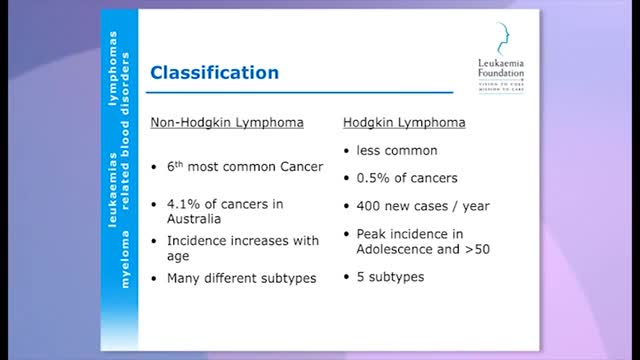
Lymphoma begins in lymphocytes, white blood cells that normally fight infection, and it most often shows up in the lymph glands (nodes) but can involve the spleen, bone marrow, and other organs. There are two main groups: Hodgkin lymphoma and non-Hodgkin lymphoma, the latter covering many subtypes. Some lymphomas grow slowly over years; others grow quickly and need prompt treatment. Specialists classify the exact subtype and stage (how far it has spread), because both determine the treatment plan. Care is led by blood cancer specialists.
Symptoms
The hallmark symptom is a painless swelling of one or more lymph glands, most often in the neck, armpit, or groin, that persists rather than settling like infection-related swelling. Some people develop general symptoms known as B symptoms: unexplained fevers, drenching night sweats, and significant weight loss without trying. Itchy skin, persistent tiredness, and reduced alcohol tolerance with gland pain are occasionally reported. Enlarged glands inside the chest or abdomen can cause a cough, breathlessness, or abdominal fullness.
Causes & risk factors
The exact cause of most lymphoma is unknown. It starts when DNA changes in a lymphocyte allow it to multiply without control and live longer than it should. Risk is somewhat higher in people with a weakened immune system, whether from immune-suppressing medicines, HIV, or inherited immune problems. Certain infections are associated with particular subtypes, including the Epstein-Barr virus and, for one stomach lymphoma, Helicobacter pylori. Lymphoma is not contagious and cannot be passed between people. Most people diagnosed have no identifiable risk factor and did nothing to cause it.
How it's diagnosed
The key test is a biopsy, usually surgical removal of a whole enlarged lymph node, because the architecture of the gland helps pathologists identify the subtype precisely. Blood tests give supporting information. CT and PET scans show which areas of the body are involved and establish the stage, and a bone marrow sample is sometimes taken. Laboratory studies of the biopsy, including genetic tests, refine the diagnosis further.
Treatment overview
Treatment depends on the subtype, stage, and the person's general health, and is planned by a specialist team. Chemotherapy is the mainstay for many lymphomas. Targeted antibody medicines, which lock onto a marker on lymphoma cells, are often combined with chemotherapy. Radiotherapy is used for some early-stage or localized disease. Certain slow-growing lymphomas that are causing no problems may simply be monitored, with treatment started when the disease progresses or symptoms appear. Stem cell transplantation is an option for some people whose lymphoma returns after initial treatment. Clinical trials are commonly part of care.
When to seek care
Arrange prompt medical review for a gland swelling that lasts more than a few weeks, keeps growing, or appears without any infection to explain it. Seek more urgent assessment for rapidly enlarging swelling that presses on the windpipe or causes breathlessness, and for persistent fevers, drenching night sweats, or unexplained weight loss.
Frequently asked questions
What is the difference between Hodgkin and non-Hodgkin lymphoma?
Both are cancers of the lymphatic system. Hodgkin lymphoma contains a characteristic abnormal cell and follows fairly standard treatment patterns. Non-Hodgkin lymphoma is a large group of subtypes that behave very differently from one another, so identifying the exact subtype by biopsy is essential.
Are swollen glands usually lymphoma?
No. Swollen glands are very common and are usually the immune system responding to infection; they normally settle within a few weeks. Glands that persist, grow steadily, feel hard or fixed, or come with fevers, night sweats, or weight loss should be examined.
Does lymphoma always need treatment straight away?
No. Some slow-growing lymphomas cause no symptoms and can be safely watched with regular reviews, starting treatment only when the disease progresses or causes problems. Faster-growing types need prompt treatment. Your specialist will explain which situation applies.
Can lymphoma be cured?
Many lymphomas can be cured, and others can be controlled for long periods, depending on the subtype and stage. Your specialist team can discuss what treatment aims to achieve in your individual situation, based on your biopsy and scan results.
More in Cancer
Related topics on MedicalVideos.com
Sources & further reading
Authoritative references for readers who want to go deeper:
This page is for general education only and is not medical advice. A painless gland swelling that lasts more than a few weeks should be examined rather than assumed to be an infection that will settle.