
- Physical Examination
- Surgical Examination
- Ophthalmology
- Clinical Skills
- Orthopedics
- Surgery Videos
- Laparoscopy
- Pediatrics
- Funny Videos
- Cardiothoracic Surgery
- Nursing Videos
- Plastic Surgery
- Otorhinolaryngology
- Histology and Histopathology
- Neurosurgery
- Dermatology
- Pediatric Surgery
- Urology
- Dentistry
- Oncology and Cancers
- Anatomy Videos
- Health and Fitness
- Radiology
- Anaesthesia
- Physical Therapy
- Pharmacology
- Interventional Radiology
- Cardiology
- Endocrinology
- Gynecology
- Emergency Medicine
- Psychiatry and Psychology
- Childbirth Videos
- General Medical Videos
- Nephrology
- Physiology
- Diet and Food Health
- Diabetes Mellitus
- Neurology
- Women Health
- Osteoporosis
- Gastroenterology
- Pulmonology
- Hematology
- Rheumatology
- Toxicology
- Nuclear Medicine
- Infectious Diseases
- Vascular Disease
- Reproductive Health
- Burns and Wound Healing
- Kidney Zone Podcast
- Other
Liver Cancer
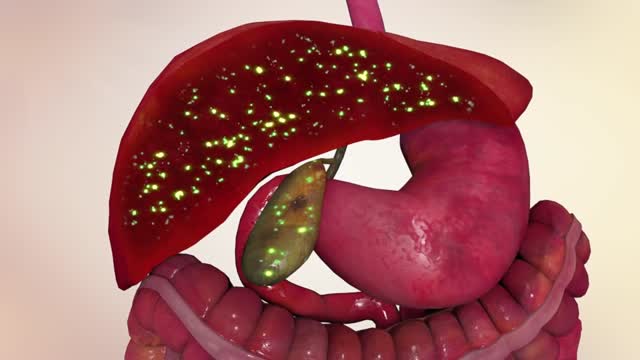
Liver cancer is a cancer that starts in the cells of the liver itself; the most common type is called hepatocellular carcinoma. This page explains its symptoms, causes, and treatment in plain language, with videos to help you follow the key points.
✓ Medically reviewed by Dr. Mohamed Ibrahim, MD, PhD — physician-scientist · Last reviewed: November 2026
In short: Liver cancer often develops in a liver already scarred by cirrhosis, and it may cause weight loss, abdominal swelling or pain, and yellowing of the skin. It is diagnosed with scans and blood tests, sometimes a biopsy. Treatment depends both on the cancer and on how well the liver is working.
Watch: Liver Cancer videos


Read: the plain-language guide
Overview
Primary liver cancer begins in the liver's own cells. It is different from secondary liver cancer, in which a cancer from elsewhere, such as the bowel or breast, spreads to the liver — a more common situation that is treated differently. Most primary liver cancers are hepatocellular carcinomas arising in a liver damaged by years of inflammation and scarring (cirrhosis). Unusually, treatment planning must weigh two problems at once: the tumor, and how much healthy liver function remains.
Symptoms
Early liver cancer often causes no symptoms and is found on a surveillance scan. As it grows it may cause loss of appetite and weight, pain or a feeling of fullness in the upper right abdomen, and a swelling mass. Yellowing of the skin and eyes (jaundice), itchy skin, and unusual tiredness can develop. In someone with cirrhosis, warning signs include a general worsening: increasing fluid in the abdomen, drowsiness or confusion, or yellowing that deepens.
Causes & risk factors
The dominant cause is long-standing liver damage. Chronic infection with hepatitis B or hepatitis C is a leading factor worldwide, and hepatitis B can trigger liver cancer even before cirrhosis develops. Cirrhosis from heavy alcohol use and from fatty liver disease linked to obesity and diabetes are increasingly common causes. Less common factors include exposure to aflatoxins (mold toxins contaminating stored grains in some regions) and inherited iron overload.
How it's diagnosed
Diagnosis usually rests on imaging: an ultrasound scan first, then CT or MRI scans with contrast, which in a cirrhotic liver often show a pattern characteristic enough to diagnose hepatocellular carcinoma without a biopsy. A blood test for alpha-fetoprotein (AFP) can support the diagnosis and is used in monitoring. If imaging is uncertain, a biopsy may be taken. Assessment also measures liver function and overall fitness, checks the veins around the liver, and looks for spread, because all of these shape which treatments are safe and worthwhile.
Treatment overview
Treatment depends on the tumor's size, number, and position, on liver function, and on general health, and is planned by a specialist liver team. Options for early disease include surgery to remove part of the liver and, for selected patients, liver transplantation, which treats both tumor and cirrhosis. Heat ablation can destroy small tumors. For intermediate disease, treatment may be delivered through the artery supplying the tumor (embolization). Advanced disease is treated with medicines, including targeted therapy and immunotherapy. Supportive care for symptoms, nutrition, and the underlying liver disease runs throughout.
When to seek care
Call emergency services for vomiting blood or passing black, tarry stools, and for marked confusion or extreme drowsiness in someone with liver disease, as these are emergencies of liver failure or internal bleeding. People with cirrhosis should keep their surveillance appointments and report new abdominal pain, swelling, weight loss, or yellowing promptly.
Frequently asked questions
Is liver cancer the same as cancer that has spread to the liver?
No. Primary liver cancer starts in liver cells, while secondary cancer arrives from another organ, such as the bowel or breast, and is more common overall. The treatments differ substantially, so establishing where the cancer began is an essential first step.
Why does liver function matter as much as the tumor?
Most treatments stress the liver, and a heavily scarred liver may not tolerate them safely. Specialists therefore assess tumor and liver function together; sometimes the safest plan treats the liver disease and symptoms first, or chooses gentler tumor treatments.
Can liver cancer be prevented?
Partly. Vaccination prevents hepatitis B, modern medicines cure most hepatitis C and control hepatitis B, and limiting alcohol and treating fatty liver disease reduce cirrhosis, the soil in which most liver cancers grow. Surveillance scans for people with cirrhosis find tumors earlier.
Why am I offered regular scans because of cirrhosis?
People with cirrhosis have a raised risk of liver cancer, and tumors found when small have more treatment options, including surgery and ablation. Surveillance usually means an ultrasound scan at regular intervals arranged by your liver team.
More in Cancer
Related topics on MedicalVideos.com
Sources & further reading
Authoritative references for readers who want to go deeper:
This page is for general education only and is not medical advice. Vomiting blood, black stools, or new confusion in someone with liver disease is an emergency, whether or not liver cancer has been diagnosed.