
- Physical Examination
- Surgical Examination
- Ophthalmology
- Clinical Skills
- Orthopedics
- Surgery Videos
- Laparoscopy
- Pediatrics
- Funny Videos
- Cardiothoracic Surgery
- Nursing Videos
- Plastic Surgery
- Otorhinolaryngology
- Histology and Histopathology
- Neurosurgery
- Dermatology
- Pediatric Surgery
- Urology
- Dentistry
- Oncology and Cancers
- Anatomy Videos
- Health and Fitness
- Radiology
- Anaesthesia
- Physical Therapy
- Pharmacology
- Interventional Radiology
- Cardiology
- Endocrinology
- Gynecology
- Emergency Medicine
- Psychiatry and Psychology
- Childbirth Videos
- General Medical Videos
- Nephrology
- Physiology
- Diet and Food Health
- Diabetes Mellitus
- Neurology
- Women Health
- Osteoporosis
- Gastroenterology
- Pulmonology
- Hematology
- Rheumatology
- Toxicology
- Nuclear Medicine
- Infectious Diseases
- Vascular Disease
- Reproductive Health
- Burns and Wound Healing
- Kidney Zone Podcast
- Other
Cervical Cancer
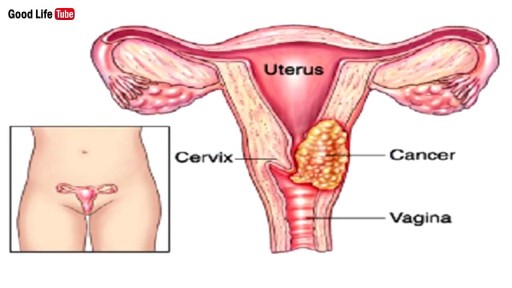
Cervical cancer is a cancer that starts in the cervix, the lower part of the womb that opens into the top of the vagina. This page explains its symptoms, causes, and treatment in plain language, with videos to help you follow the key points.
✓ Medically reviewed by Dr. Mohamed Ibrahim, MD, PhD — physician-scientist · Last reviewed: November 2026
In short: Cervical cancer is usually caused by long-lasting infection with certain types of HPV and typically develops slowly from precancerous cell changes. It may cause bleeding after sex, between periods, or after the menopause. Screening and HPV vaccination help prevent it, and diagnosis is by examination and biopsy.
Watch: Cervical Cancer videos
Read: the plain-language guide
Overview
Cervical cancer develops in the cells lining the cervix, most often the squamous cells of its outer surface. It typically grows out of precancerous changes that develop slowly over years, which gives screening the chance to find and treat abnormal cells before cancer forms. Because early disease usually causes no symptoms, screening attendance matters even when you feel well. Care is provided by specialist gynecological cancer teams, and outcomes are best when the condition is found early.
Symptoms
Early cervical cancer and precancerous changes usually cause no symptoms. When symptoms appear, the most typical is abnormal vaginal bleeding: after sex, between periods, or after the menopause. Other features include unusual vaginal discharge, pain during sex, and pelvic pain. More advanced disease can cause back pain, leg swelling, or problems passing urine or stool. These symptoms are much more often caused by benign conditions such as infections, polyps, or hormonal changes, but bleeding that is unusual for you should always be checked rather than waited out.
Causes & risk factors
Nearly all cervical cancers are caused by persistent infection with high-risk types of human papillomavirus (HPV), a very common virus passed on through sexual contact. Most HPV infections clear on their own within a couple of years; cancer develops only when infection persists and drives gradual cell changes over many years. Smoking and a weakened immune system make clearance less likely. Having HPV does not mean cancer is inevitable — screening and vaccination are highly effective at preventing this disease.
How it's diagnosed
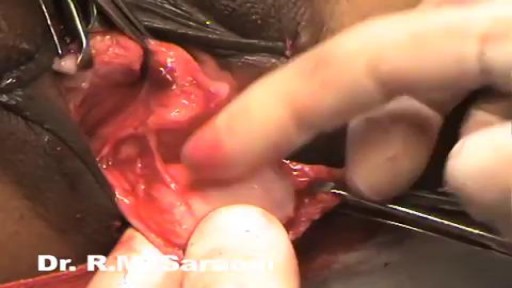
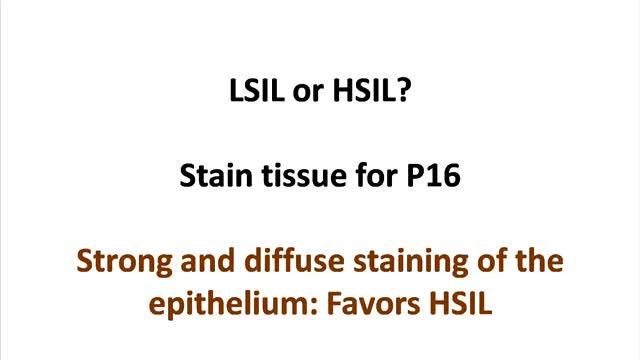
If symptoms or a screening result raise concern, the cervix is examined directly, usually with colposcopy: a magnifying instrument used after applying solutions that highlight abnormal areas. Small tissue samples (biopsies) confirm whether cancer or precancerous change is present. If cancer is confirmed, scans such as MRI of the pelvis, and sometimes CT or PET scans, assess its size and whether it has spread. Specialists combine the biopsy and scan findings to stage the cancer and plan treatment.
Treatment overview
Treatment depends on the stage and on whether preserving fertility matters, and is planned by a specialist team. Precancerous changes are treated with local procedures that remove or destroy the abnormal area. Small early cancers may be treated with surgery that, in selected cases, preserves the womb. Larger tumors are treated either with surgery to remove the womb and surrounding tissues, or with radiotherapy combined with chemotherapy. For cancer that has spread further, chemotherapy, targeted medicines, and immunotherapy may be used. Follow-up after treatment monitors for recurrence and manages long-term effects.
When to seek care
Arrange a prompt appointment for any bleeding after sex, bleeding between periods that is new for you, or any bleeding after the menopause. Seek urgent help for very heavy vaginal bleeding, severe pelvic pain, or an inability to pass urine.
Frequently asked questions
Does having HPV mean I will get cervical cancer?
No. HPV is extremely common and the immune system clears most infections without any treatment. Only infection with high-risk types that persists for years can lead to cell changes, and screening exists to find and treat those changes long before cancer develops.
Can cervical cancer be prevented?
Largely, yes. HPV vaccination protects against the virus types responsible for most cases, and regular screening finds precancerous changes that can be treated before cancer forms. Attending screening when invited remains important even if you have been vaccinated.
What is the difference between a screening test and a diagnosis?
Screening tests, which check for HPV or abnormal cells in people without symptoms, identify who needs a closer look. Diagnosis requires colposcopy and a biopsy examined in the laboratory. An abnormal screening result usually means cell changes, not cancer.
Does treatment always involve removing the womb?
No. Precancerous changes need only local treatment, and some small early cancers can be treated with more limited surgery that may preserve fertility. Larger cancers more often require removal of the womb or combined radiotherapy and chemotherapy, which your team will discuss with you.
More in Cancer
Related topics on MedicalVideos.com
Sources & further reading
Authoritative references for readers who want to go deeper:
This page is for general education only and is not medical advice. Bleeding after the menopause should always be checked promptly, whatever the suspected cause, and should never be assumed to be a final period.