
- Physical Examination
- Surgical Examination
- Ophthalmology
- Clinical Skills
- Orthopedics
- Surgery Videos
- Laparoscopy
- Pediatrics
- Funny Videos
- Cardiothoracic Surgery
- Nursing Videos
- Plastic Surgery
- Otorhinolaryngology
- Histology and Histopathology
- Neurosurgery
- Dermatology
- Pediatric Surgery
- Urology
- Dentistry
- Oncology and Cancers
- Anatomy Videos
- Health and Fitness
- Radiology
- Anaesthesia
- Physical Therapy
- Pharmacology
- Interventional Radiology
- Cardiology
- Endocrinology
- Gynecology
- Emergency Medicine
- Psychiatry and Psychology
- Childbirth Videos
- General Medical Videos
- Nephrology
- Physiology
- Diet and Food Health
- Diabetes Mellitus
- Neurology
- Women Health
- Osteoporosis
- Gastroenterology
- Pulmonology
- Hematology
- Rheumatology
- Toxicology
- Nuclear Medicine
- Infectious Diseases
- Vascular Disease
- Reproductive Health
- Burns and Wound Healing
- Kidney Zone Podcast
- Other
Brain Tumors
A brain tumor is an abnormal growth of cells within the brain or its coverings, and it may be benign (non-cancerous) or malignant (cancerous). This page explains its symptoms, causes, and treatment in plain language, with videos to help you follow the key points.
✓ Medically reviewed by Dr. Mohamed Ibrahim, MD, PhD — physician-scientist · Last reviewed: November 2026
In short: Brain tumors can cause headaches, seizures, weakness, or changes in speech, vision, balance, or personality, depending on their size and position. Diagnosis relies on brain scans and often a tissue sample. Treatment may include surgery, radiotherapy, chemotherapy, and medicines to control symptoms.
Watch: Brain Tumors videos
 Huge Brain Tumor Removal Surgery
33,327 views
 Brain Tumor Surgery: Skull Base Neurosurgery at DMC
22,682 views
 Brain tumor resection with open approach
17,526 views
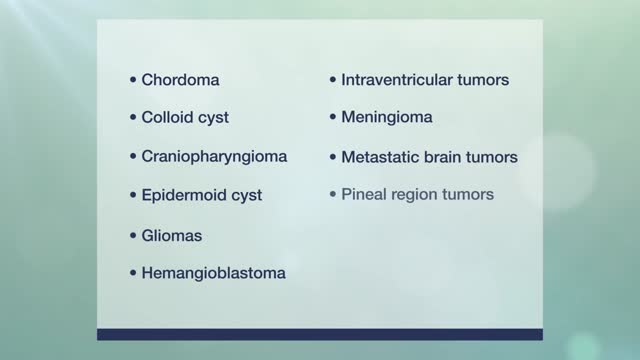 Brain Tumor and Skull-Base Surgery
6,404 views
 Minimally Invasive Brain Surgery To Remove Brain Tumors.
6,207 views
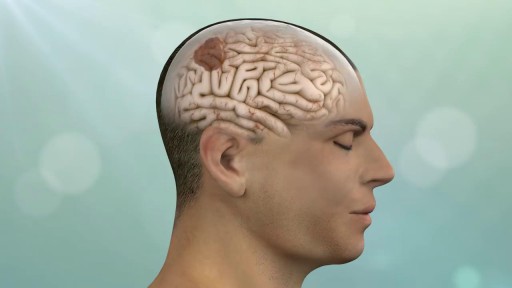 Keyhole Brain Tumor and Skull-Base Surgery
4,553 views
Read: the plain-language guide
Overview
Brain tumors are growths that develop in the brain itself or in the tissues around it. Tumors that start in the brain are called primary; tumors that arrive from a cancer elsewhere in the body are called secondary, or metastatic. Even a benign tumor can cause serious problems, because the skull is a fixed space with no room for a growing mass. Care is planned by a team that may include neurosurgeons, oncologists, and neurologists.
Symptoms
Symptoms depend on where the tumor sits and how fast it grows. Common features include headaches that gradually become more frequent or severe, sometimes worse in the morning, and nausea or vomiting from raised pressure inside the skull. Seizures may occur for the first time in adult life. Other symptoms include weakness or numbness on one side, difficulty finding words or understanding speech, vision changes, balance and coordination problems, and changes in memory, concentration, or personality. Symptoms usually develop gradually over weeks to months, though a seizure or bleed can cause sudden problems.
Causes & risk factors
The exact cause of most brain tumors is unknown. They begin when DNA changes in a brain cell allow it to grow and divide without normal control. Most cases are not inherited and occur without any clear trigger. Previous radiotherapy to the head is a known risk factor for some tumor types. Brain tumors are not contagious, and nothing a person did or failed to do can usually be identified as the cause.
How it's diagnosed
Assessment starts with a neurological examination, testing strength, reflexes, coordination, vision, and speech. An MRI scan of the brain is the main test and shows the tumor's size and position in detail; a CT scan may be used first in emergencies. A definite diagnosis of tumor type usually requires a tissue sample, obtained during surgery or by a needle biopsy through the skull. Laboratory analysis identifies the type and grade, which guide treatment. If a secondary tumor is suspected, scans of the body may look for the original cancer.
Treatment overview
Treatment depends on the tumor type, grade, size, and position, and on the person's general health. Surgery to remove as much tumor as safely possible is often the first step, and also provides tissue for diagnosis. Radiotherapy and chemotherapy may follow, or be used when surgery is not feasible. Some types respond to targeted medicines. Steroids can reduce swelling around the tumor, and anti-seizure medicines control fits. Slow-growing benign tumors are sometimes simply monitored with regular scans. Rehabilitation helps recovery, and plans are made by a specialist team.
When to seek care
Call emergency services at once for a first seizure, sudden weakness or numbness, loss of speech or vision, a sudden severe headache unlike any before, or repeated vomiting with drowsiness or confusion. Arrange prompt medical review for headaches that are new, persistent, and worsening, or for any new neurological symptom that does not settle.
Frequently asked questions
Are most brain tumors cancerous?
No. Many brain tumors are benign, but a benign tumor can still cause serious harm because the skull leaves no room for growth. Only tissue testing can confirm the type, which is why a sample is usually obtained.
What is the difference between a primary and a secondary brain tumor?
A primary brain tumor starts in the brain itself. A secondary, or metastatic, tumor has spread from a cancer elsewhere, such as the lung or breast. The distinction matters because treatment is planned differently for each.
Can a brain tumor always be removed completely?
Not always. Removal depends on the tumor's position and how it blends with surrounding brain. Tumors in delicate areas may be partly removed, sampled, or treated with radiotherapy instead. The neurosurgeon explains what is realistically achievable before any operation.
Do brain tumors run in families?
Most do not. The large majority occur by chance in people with no family history. A small number are linked to rare inherited conditions, and a specialist may suggest genetic advice if several close relatives have had brain tumors.
More in Cancer
Related topics on MedicalVideos.com
Sources & further reading
Authoritative references for readers who want to go deeper:
This page is for general education only and is not medical advice. A first seizure, sudden weakness, or loss of speech or vision needs emergency assessment the same day, whether or not a brain tumor has been diagnosed.