
- Physical Examination
- Surgical Examination
- Ophthalmology
- Clinical Skills
- Orthopedics
- Surgery Videos
- Laparoscopy
- Pediatrics
- Funny Videos
- Cardiothoracic Surgery
- Nursing Videos
- Plastic Surgery
- Otorhinolaryngology
- Histology and Histopathology
- Neurosurgery
- Dermatology
- Pediatric Surgery
- Urology
- Dentistry
- Oncology and Cancers
- Anatomy Videos
- Health and Fitness
- Radiology
- Anaesthesia
- Physical Therapy
- Pharmacology
- Interventional Radiology
- Cardiology
- Endocrinology
- Gynecology
- Emergency Medicine
- Psychiatry and Psychology
- Childbirth Videos
- General Medical Videos
- Nephrology
- Physiology
- Diet and Food Health
- Diabetes Mellitus
- Neurology
- Women Health
- Osteoporosis
- Gastroenterology
- Pulmonology
- Hematology
- Rheumatology
- Toxicology
- Nuclear Medicine
- Infectious Diseases
- Vascular Disease
- Reproductive Health
- Burns and Wound Healing
- Kidney Zone Podcast
- Other
Colorectal Cancer
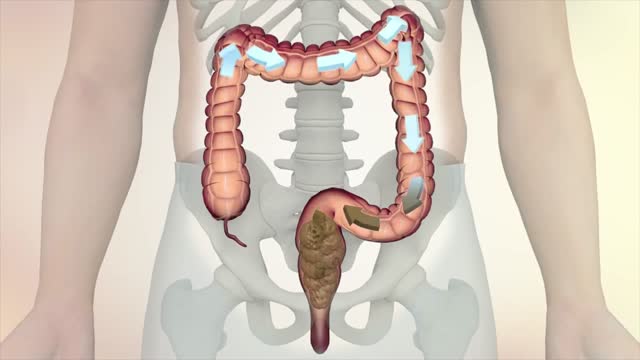
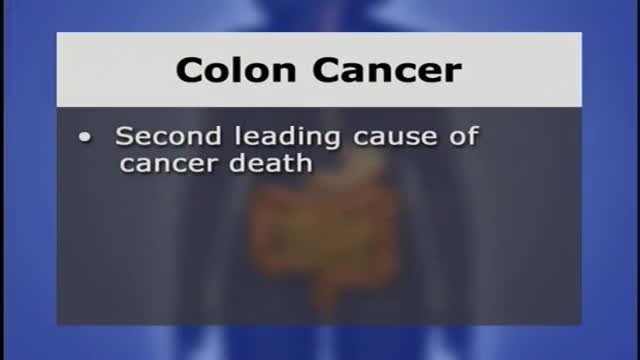
Colorectal cancer is a cancer that starts in the colon or the rectum, the final sections of the large bowel. This page explains its symptoms, causes, and treatment in plain language, with videos to help you follow the key points.
✓ Medically reviewed by Dr. Mohamed Ibrahim, MD, PhD — physician-scientist · Last reviewed: November 2026
In short: Colorectal cancer may cause a lasting change in bowel habit, blood in the stool, abdominal pain, or unexplained weight loss, though early disease can be silent. It is diagnosed with colonoscopy and a tissue sample. Surgery is the main treatment, sometimes combined with chemotherapy or radiotherapy.
Watch: Colorectal Cancer videos



Read: the plain-language guide
Overview
Most colorectal cancers begin as polyps: small growths on the inner lining of the bowel that slowly, over years, can turn cancerous. This slow development is why screening works — it can find cancers early and remove polyps before they change. Cancer confined to the bowel wall is treated differently from cancer that has spread to lymph nodes, the liver, or the lungs, so staging scans follow diagnosis. Care is planned by a specialist team.
Symptoms
Warning features include a change in bowel habit lasting several weeks, such as looser stools, needing to go more often, or new persistent constipation. Blood in the stool, or bleeding from the back passage, is a key sign, though it is more often caused by hemorrhoids. Other symptoms include abdominal pain or bloating that does not settle, unexplained weight loss, and tiredness from anemia. Rectal cancers can cause a feeling of needing to strain or of incomplete emptying. Early colorectal cancer frequently causes no symptoms at all.
Causes & risk factors
Most cases develop from polyps, and risk rises with age. A family history of colorectal cancer increases risk, and a small proportion are due to inherited conditions such as Lynch syndrome or familial adenomatous polyposis. Long-standing ulcerative colitis or Crohn's disease of the colon also raises risk. Lifestyle factors include a diet high in red and processed meat and low in fiber, excess body weight, physical inactivity, smoking, and heavy alcohol use. Most people who develop colorectal cancer, however, have no affected relative and no single identifiable cause.
How it's diagnosed
The key test is colonoscopy, in which a flexible camera examines the whole large bowel and takes tissue samples from any suspicious area. A stool test that detects hidden blood (FIT) is used in screening programs and sometimes to help assess symptoms. If cancer is confirmed, CT scans of the chest, abdomen, and pelvis check for spread, and an MRI is often used for rectal cancers. Together they determine the stage and the treatment plan.
Treatment overview
Surgery to remove the affected section of bowel, along with nearby lymph nodes, is the main treatment for cancer that has not spread widely. Depending on the stage, chemotherapy may be given afterwards to reduce the risk of recurrence, or before surgery in some rectal cancers, where radiotherapy is also commonly used. Cancers found very early may be removed during colonoscopy alone. For disease that has spread, chemotherapy, targeted medicines, and immunotherapy for certain tumor types can control the cancer and relieve symptoms.
When to seek care
Arrange prompt assessment for bleeding from the back passage, a change in bowel habit lasting more than a few weeks, unexplained weight loss, or anemia without a clear cause. Call emergency services for severe abdominal pain with vomiting and an inability to pass stool or wind, which can indicate a blocked bowel.
Frequently asked questions
What is a bowel polyp?
A polyp is a small growth on the lining of the bowel. Most polyps are harmless and never cause problems, but some types slowly develop into cancer over years. Removing polyps during colonoscopy prevents those cancers.
Is blood in the stool always a sign of cancer?
No. Hemorrhoids and small tears are common causes of bleeding, especially bright red blood on the paper. But bleeding should always be assessed, particularly if it persists, is mixed into the stool, or comes with a change in bowel habit or weight loss.
How does colorectal cancer screening work?
Screening programs commonly use a home stool test that looks for hidden blood; a positive result leads to colonoscopy. Screening can find cancer early and prevent it by removing polyps. Who is offered screening, and from what age, varies — ask your doctor what applies to you.
Will I need a stoma after surgery?
Not necessarily. Many bowel operations reconnect the bowel in the same procedure. A stoma is more likely when the cancer is low in the rectum or surgery is done as an emergency, and it may be temporary. Your surgical team will explain the likelihood in your case before surgery.
More in Cancer
Related topics on MedicalVideos.com
Sources & further reading
Authoritative references for readers who want to go deeper:
This page is for general education only and is not medical advice. Rectal bleeding should always be assessed, even if you have hemorrhoids, because the two can occur together and hide a more serious cause.