
- Physical Examination
- Surgical Examination
- Ophthalmology
- Clinical Skills
- Orthopedics
- Surgery Videos
- Laparoscopy
- Pediatrics
- Funny Videos
- Cardiothoracic Surgery
- Nursing Videos
- Plastic Surgery
- Otorhinolaryngology
- Histology and Histopathology
- Neurosurgery
- Dermatology
- Pediatric Surgery
- Urology
- Dentistry
- Oncology and Cancers
- Anatomy Videos
- Health and Fitness
- Radiology
- Anaesthesia
- Physical Therapy
- Pharmacology
- Interventional Radiology
- Cardiology
- Endocrinology
- Gynecology
- Emergency Medicine
- Psychiatry and Psychology
- Childbirth Videos
- General Medical Videos
- Nephrology
- Physiology
- Diet and Food Health
- Diabetes Mellitus
- Neurology
- Women Health
- Osteoporosis
- Gastroenterology
- Pulmonology
- Hematology
- Rheumatology
- Toxicology
- Nuclear Medicine
- Infectious Diseases
- Vascular Disease
- Reproductive Health
- Burns and Wound Healing
- Kidney Zone Podcast
- Other
Multiple Myeloma
Multiple myeloma is a cancer of plasma cells, the white blood cells in the bone marrow that normally produce antibodies to fight infection. This page explains its symptoms, causes, and treatment in plain language, with videos to help you follow the key points.
✓ Medically reviewed by Dr. Mohamed Ibrahim, MD, PhD — physician-scientist · Last reviewed: November 2026
In short: Multiple myeloma can cause bone pain, tiredness from anemia, repeated infections, and kidney problems. It is diagnosed with blood and urine tests, a bone marrow sample, and imaging of the bones. Treatment uses combinations of medicines, and stem cell transplantation for some people, planned by specialists.
Watch: Multiple Myeloma videos



Read: the plain-language guide
Overview
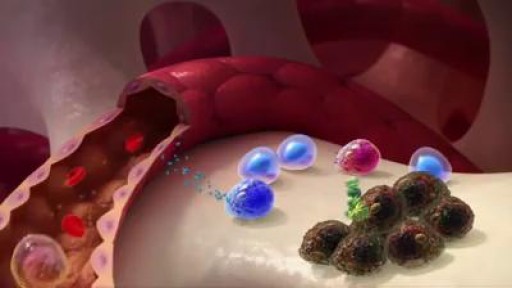
In multiple myeloma, a single abnormal plasma cell multiplies in the bone marrow and produces large amounts of one identical antibody, called a paraprotein, which does not fight infection usefully. The growing cells crowd out healthy blood cell production, weaken bones from within, and can damage the kidneys. Myeloma usually develops slowly and is often preceded by a harmless precursor state that is simply monitored. Treatment can control myeloma and its complications for long periods, and care is led by blood cancer specialists.
Symptoms
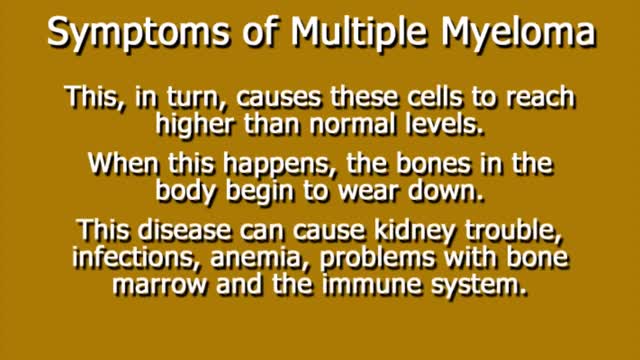
Bone pain, especially in the back, ribs, and hips, is a common early feature, and weakened bones can fracture after minor injury. Too few red blood cells cause tiredness, pallor, and breathlessness, while impaired immunity leads to repeated infections. Kidney problems may cause swelling and reduced urine output. High calcium released from damaged bone can cause thirst, nausea, constipation, and confusion. Some people have no symptoms at all, and the condition is picked up when a routine blood test shows an abnormal protein, anemia, or reduced kidney function.
Causes & risk factors
The cause of multiple myeloma is unknown. It begins when DNA changes in a plasma cell let it multiply uncontrollably. Risk rises with age, and the disease is slightly more common in men. Many cases develop from a precursor condition called MGUS, in which a small amount of abnormal protein is present without any illness; only a small proportion of people with MGUS ever develop myeloma. A family history of myeloma or MGUS slightly increases risk.
How it's diagnosed
Diagnosis combines several tests. Blood tests look for the paraprotein, measure blood counts, calcium, and kidney function, and urine tests detect fragments of the abnormal antibody called light chains. A bone marrow sample confirms the proportion of abnormal plasma cells. Imaging, such as whole-body low-dose CT, MRI, or PET scans, maps bone damage. Together they confirm the diagnosis, distinguish myeloma from its harmless precursor states, and guide treatment.
Treatment overview
Treatment is tailored to the person's age, fitness, and disease features, and is planned by a specialist team. Modern therapy combines several classes of medicines, often including targeted drugs that disrupt myeloma cell survival, medicines that help the immune system attack the cells, and steroids. For suitable patients, high-dose chemotherapy followed by a transplant of their own stem cells is an option. Bone-strengthening medicines reduce fractures, and treatment is also given for anemia, kidney problems, pain, and infection prevention. People with the harmless precursor state need monitoring only, not treatment.
When to seek care
Call emergency services for new severe back pain with leg weakness, numbness, or loss of bladder or bowel control, as this can signal pressure on the spinal cord. Seek urgent assessment for confusion or extreme thirst, which may indicate high calcium, and for fever or shaking chills, which may indicate serious infection needing prompt treatment.
Frequently asked questions
What is the paraprotein found in myeloma?
It is a single identical antibody produced in large amounts by the abnormal plasma cells. Measuring it in blood or urine helps diagnose myeloma and track how the disease responds to treatment.
Is multiple myeloma the same as bone cancer?
Not exactly. Myeloma starts in plasma cells inside the bone marrow rather than in bone tissue itself, but as it grows it weakens bones from within, causing pain, thinning, and fractures. That is why bone scans and bone-strengthening treatment are part of care.
What is MGUS, and does it always turn into myeloma?
MGUS is a common, harmless precursor in which a small amount of abnormal protein is present but causes no illness or damage. Most people with MGUS never develop myeloma; it is kept under review with periodic blood tests so any change is caught early.
Can multiple myeloma be cured?
Myeloma is generally managed as a long-term condition: treatment can control it, relieve symptoms, and keep it quiet for long periods, though it tends to return over time. Your specialist team will discuss realistic goals and options for your situation.
More in Cancer
Related topics on MedicalVideos.com
Sources & further reading
Authoritative references for readers who want to go deeper:
- MedlinePlus: Multiple Myeloma
- National Cancer Institute: Plasma Cell Neoplasms (Multiple Myeloma)
- American Cancer Society: Multiple Myeloma (American Cancer Society)
This page is for general education only and is not medical advice. New severe back pain with leg weakness or loss of bladder or bowel control is an emergency in myeloma, as it can signal pressure on the spinal cord.