
- Physical Examination
- Surgical Examination
- Ophthalmology
- Clinical Skills
- Orthopedics
- Surgery Videos
- Laparoscopy
- Pediatrics
- Funny Videos
- Cardiothoracic Surgery
- Nursing Videos
- Plastic Surgery
- Otorhinolaryngology
- Histology and Histopathology
- Neurosurgery
- Dermatology
- Pediatric Surgery
- Urology
- Dentistry
- Oncology and Cancers
- Anatomy Videos
- Health and Fitness
- Radiology
- Anaesthesia
- Physical Therapy
- Pharmacology
- Interventional Radiology
- Cardiology
- Endocrinology
- Gynecology
- Emergency Medicine
- Psychiatry and Psychology
- Childbirth Videos
- General Medical Videos
- Nephrology
- Physiology
- Diet and Food Health
- Diabetes Mellitus
- Neurology
- Women Health
- Osteoporosis
- Gastroenterology
- Pulmonology
- Hematology
- Rheumatology
- Toxicology
- Nuclear Medicine
- Infectious Diseases
- Vascular Disease
- Reproductive Health
- Burns and Wound Healing
- Kidney Zone Podcast
- Other
Bunion
A bunion is a bony bump that forms at the base of the big toe as the toe drifts toward the others. This page explains its symptoms, causes, diagnosis, and treatment in plain language, with videos to help you follow the key points.
✓ Medically reviewed by Dr. Mohamed Ibrahim, MD, PhD — physician-scientist · Last reviewed: November 2026
In short: Bunions develop slowly when the joint at the base of the big toe slips out of line, pushing the toe inward and the joint outward. They are common, often run in families, and are managed first with footwear changes; surgery is reserved for persistent pain.
Watch: Bunion videos


Read: the plain-language guide
Overview
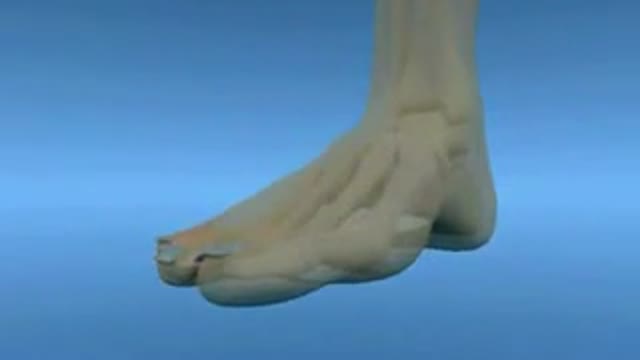
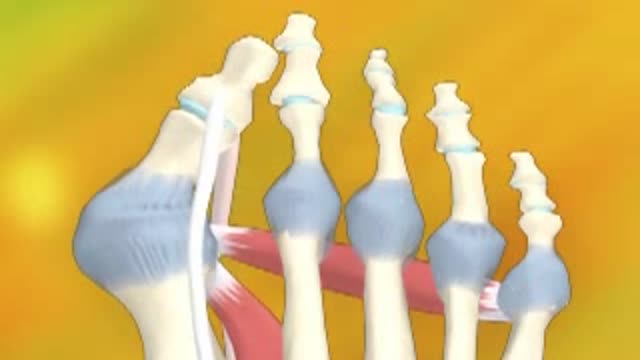
The medical name is hallux valgus. The long bone behind the big toe shifts outward while the toe itself leans toward the second toe, so the joint sticks out and forms the familiar bump. The skin over the bump can rub in shoes, and a fluid-filled cushion over the joint may become inflamed. Bunions usually grow gradually over years and are far more common in women and older adults. Many cause no trouble at all; treatment is aimed at pain and walking difficulty rather than appearance alone.
Symptoms
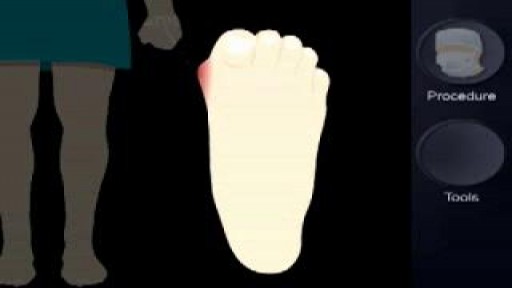
The main sign is a visible bump at the base of the big toe, with the toe angled toward its neighbors and sometimes overlapping them. Aching pain over the bump, worse in tight shoes, is common, with redness and hardened skin where footwear rubs. The joint can stiffen, making walking and standing for long periods uncomfortable. As the toe shifts, the second toe may develop problems such as a hammer shape or corns between the toes.
Causes & risk factors
Bunions arise from a mix of inherited foot shape and mechanical stress on the joint. Flat feet, loose joints, and certain inherited bone alignments make the joint more likely to drift. Shoes that squeeze the toes into a narrow, pointed space do not help and can aggravate the problem, though footwear alone is rarely the whole story. Inflammatory arthritis such as rheumatoid arthritis can produce the same deformity, and bunions occasionally develop after foot injuries or in conditions affecting the nerves and muscles of the foot.
How it's diagnosed
Diagnosis is usually made by examining the foot while standing, checking the angle of the toe, joint movement, and where pain is felt. The clinician will also ask about footwear, family history, and how much the bunion limits walking. X-rays taken while standing show the exact angles of the bones and any arthritis in the joint, and are particularly important if surgery is being considered. Blood tests are only needed if an inflammatory arthritis is suspected.
Treatment overview
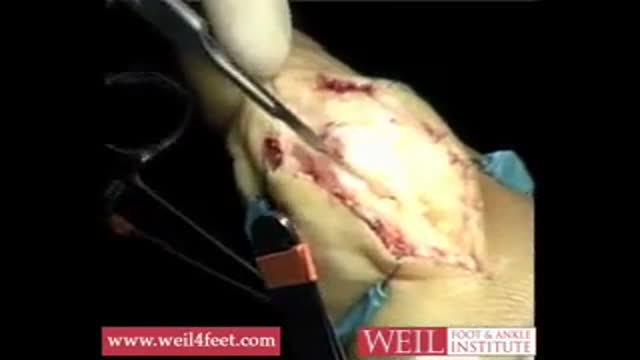
Treatment starts with shoes that have a wide, soft toe box and a low heel, which reduce rubbing and pressure on the joint. Padding, toe spacers, and splints can ease discomfort, and ice and pain relief help during flare-ups, although none of these straighten the toe permanently. Insoles may help if foot mechanics contribute. Surgery is considered when pain persists despite footwear changes and interferes with daily life; it realigns the bone and joint, and your surgeon will explain the procedure and the recovery period, which includes time off the foot.
When to seek care
A bunion that becomes suddenly hot, red, and very painful, especially with fever, needs prompt assessment for infection or gout. People with diabetes or poor circulation should seek advice quickly for any sore or skin break over a bunion, as foot wounds can become serious.
Frequently asked questions
Can bunions go away on their own?
A bunion does not reverse on its own, because the underlying bone alignment has changed. Footwear changes and padding can stop symptoms worsening and keep many bunions comfortable for years, while surgery is the only way to straighten the toe.
Do bunion splints and correctors work?
Splints and spacers can relieve pressure and discomfort while they are worn, and some people find them helpful at night. They do not permanently correct the bone angles, so they are best seen as comfort measures alongside suitable shoes.
When is bunion surgery worth considering?
Surgery is usually considered when pain continues despite wide, comfortable shoes and simple measures, and when the bunion limits walking or daily activities. Decisions are based on symptoms rather than appearance, and your surgeon will discuss recovery time before you decide.
Are bunions the same as gout?
Bunions and gout affect the same joint but are different problems: a bunion is a gradual bone misalignment, while gout is sudden inflammatory arthritis from uric acid crystals. A big toe joint that becomes abruptly hot, red, and exquisitely painful is more typical of gout and needs medical assessment.
More in Bones/Joints/Muscles
Related topics on MedicalVideos.com
Sources & further reading
Authoritative references for readers who want to go deeper:
This page is for general education only and is not medical advice. If you have diabetes or poor circulation, any skin break or sore over a bunion needs prompt professional care rather than home treatment.