
- Physical Examination
- Surgical Examination
- Ophthalmology
- Clinical Skills
- Orthopedics
- Surgery Videos
- Laparoscopy
- Pediatrics
- Funny Videos
- Cardiothoracic Surgery
- Nursing Videos
- Plastic Surgery
- Otorhinolaryngology
- Histology and Histopathology
- Neurosurgery
- Dermatology
- Pediatric Surgery
- Urology
- Dentistry
- Oncology and Cancers
- Anatomy Videos
- Health and Fitness
- Radiology
- Anaesthesia
- Physical Therapy
- Pharmacology
- Interventional Radiology
- Cardiology
- Endocrinology
- Gynecology
- Emergency Medicine
- Psychiatry and Psychology
- Childbirth Videos
- General Medical Videos
- Nephrology
- Physiology
- Diet and Food Health
- Diabetes Mellitus
- Neurology
- Women Health
- Osteoporosis
- Gastroenterology
- Pulmonology
- Hematology
- Rheumatology
- Toxicology
- Nuclear Medicine
- Infectious Diseases
- Vascular Disease
- Reproductive Health
- Burns and Wound Healing
- Kidney Zone Podcast
- Other
ACL Injury
An ACL injury is a tear or sprain of the anterior cruciate ligament, one of the main ligaments stabilizing the knee. This page explains its symptoms, causes, diagnosis, and treatment in plain language, with videos to help you follow the key points.
✓ Medically reviewed by Dr. Mohamed Ibrahim, MD, PhD — physician-scientist · Last reviewed: November 2026
In short: The ACL stops the shin bone sliding forward and keeps the knee stable when you twist or change direction. It is most often torn in sport, and a knee that gives way usually needs rehabilitation, and sometimes surgery, to get back to pivoting activities.
Watch: ACL Injury videos
 ACL Injury Repair: DMC Sports Medicine Specialists
18,503 views
 Pivot Shift test to confirm ACL Injury
13,984 views
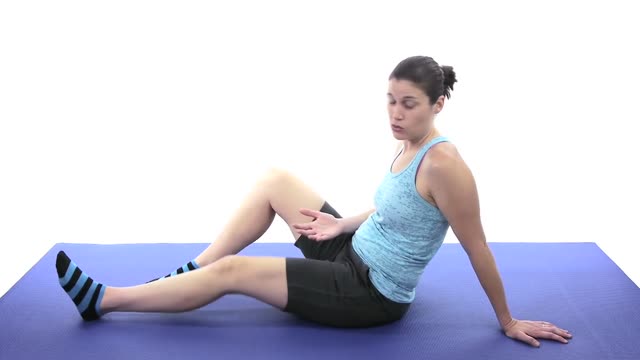 ACL Tear Stretches & Exercises
7,688 views
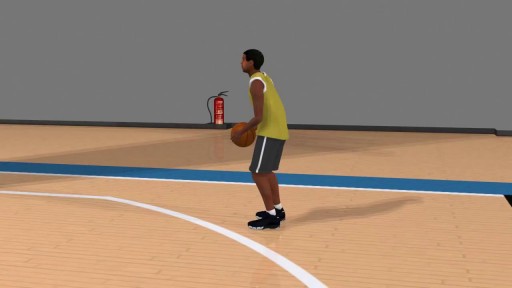 ACL Injury: Does It Require Surgery?
5,800 views
 Knee sprain or ACL injury: How to tell the difference
125 views
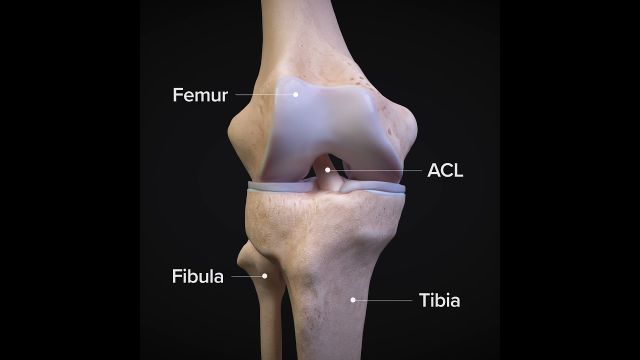 ACLtear.com - What is an ACL Injury?
77 views
Read: the plain-language guide
Overview
The anterior cruciate ligament runs through the center of the knee, connecting the thigh bone to the shin bone. Along with the other ligaments and the meniscus cartilage, it keeps the joint stable during running, jumping, and sudden turns. A tear can be partial, but complete ruptures are common in sport. When the ACL is gone, the knee may feel secure walking in straight lines yet buckle during twisting movements. Treatment choices depend on age, activity goals, and whether the knee feels unstable in daily life.
Symptoms
Many people hear or feel a pop in the knee at the moment of injury, followed by pain and rapid swelling within hours as blood collects inside the joint. The knee often feels unstable, as if it might give way, and putting weight through it can be difficult. Bruising and stiffness develop over the following days. Locking or catching suggests the meniscus cartilage may be injured at the same time, which is common.
Causes & risk factors
ACL injuries usually happen without direct contact: landing awkwardly from a jump, stopping suddenly, or changing direction with the foot planted twists the knee beyond the ligament's strength. A direct blow to the knee, such as in a tackle or road accident, is the other main route. Sports with cutting and pivoting — football, basketball, skiing, netball — carry the highest risk. Women tear the ligament more often than men in comparable sports, for reasons that include anatomy and movement patterns. Weakness and poor landing technique add to the risk.
How it's diagnosed
A doctor or physiotherapist will ask how the injury happened and examine the knee for swelling, movement, and looseness, using gentle stress tests that compare the injured knee with the other side. X-rays do not show ligaments but are used to rule out a fracture. An MRI scan confirms the tear and checks the meniscus and other structures, which helps plan treatment. Examination can be difficult in the first swollen days, so a review once the knee settles is sometimes needed.
Treatment overview
Initial care is protection, ice, compression, elevation, and pain relief, with crutches if needed. Rehabilitation with a physiotherapist is the foundation of recovery whether or not surgery follows, rebuilding strength and balance. Surgery reconstructs the ligament using a graft of tendon, and your surgeon may recommend it if the knee keeps giving way, if you aim to return to pivoting sport, or if other structures also need repair. Some people, especially those with lower demands on the knee, manage well without surgery. Recovery after reconstruction is measured in months, with guided milestones.
When to seek care
A knee that swells rapidly after injury, cannot bear weight, locks in a bent position, or is accompanied by a hot, red joint and fever needs prompt assessment. Numbness, a pale or cold foot, or severe pain after a high-energy injury needs emergency care.
Frequently asked questions
Can an ACL tear heal without surgery?
A torn ACL does not usually heal back together on its own, but that does not mean everyone needs an operation. With structured rehabilitation, many people regain a stable, pain-free knee for everyday activities, while surgery is favored for those returning to twisting sports or whose knee keeps giving way.
How long is recovery after ACL surgery?
Recovery after ACL reconstruction is a months-long rehabilitation program rather than a quick fix, with strength and agility milestones before returning to sport. Timelines vary with the graft, any meniscus repair, and progress in physiotherapy, so your surgical team sets the pace.
What does an ACL graft come from?
Surgeons rebuild the ligament using a graft, commonly a strip of your own hamstring or kneecap tendon, and occasionally donor tissue. Each option has pros and cons that your surgeon will discuss in relation to your sport, age, and previous knee problems.
Can ACL injuries be prevented?
Training programs that build leg strength, balance, and safe landing and cutting technique reduce ACL injury rates, particularly in young athletes. They are widely used in team sports.
More in Bones/Joints/Muscles
Related topics on MedicalVideos.com
Sources & further reading
Authoritative references for readers who want to go deeper:
This page is for general education only and is not medical advice. A knee that swells within hours of a twisting injury may have internal bleeding or a fracture, so same-day assessment is wiser than waiting to see if it settles.