
- Physical Examination
- Surgical Examination
- Ophthalmology
- Clinical Skills
- Orthopedics
- Surgery Videos
- Laparoscopy
- Pediatrics
- Funny Videos
- Cardiothoracic Surgery
- Nursing Videos
- Plastic Surgery
- Otorhinolaryngology
- Histology and Histopathology
- Neurosurgery
- Dermatology
- Pediatric Surgery
- Urology
- Dentistry
- Oncology and Cancers
- Anatomy Videos
- Health and Fitness
- Radiology
- Anaesthesia
- Physical Therapy
- Pharmacology
- Interventional Radiology
- Cardiology
- Endocrinology
- Gynecology
- Emergency Medicine
- Psychiatry and Psychology
- Childbirth Videos
- General Medical Videos
- Nephrology
- Physiology
- Diet and Food Health
- Diabetes Mellitus
- Neurology
- Women Health
- Osteoporosis
- Gastroenterology
- Pulmonology
- Hematology
- Rheumatology
- Toxicology
- Nuclear Medicine
- Infectious Diseases
- Vascular Disease
- Reproductive Health
- Burns and Wound Healing
- Kidney Zone Podcast
- Other
Meniscus Tear
A meniscus tear is damage to one of the crescent-shaped pieces of cartilage that cushion the knee joint. This page explains its symptoms, causes, diagnosis, and treatment in plain language, with videos to help you follow the key points.
✓ Medically reviewed by Dr. Mohamed Ibrahim, MD, PhD — physician-scientist · Last reviewed: November 2026
In short: Each knee has two menisci that spread load and steady the joint. A tear can happen with a twisting injury in sport or gradually through wear in older knees, and many tears settle with rehabilitation rather than surgery.
Watch: Meniscus Tear videos
Read: the plain-language guide
Overview
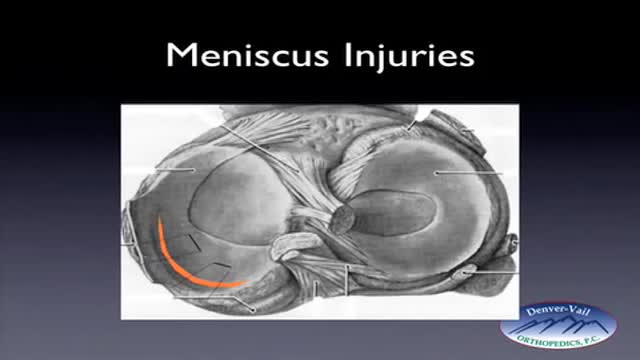
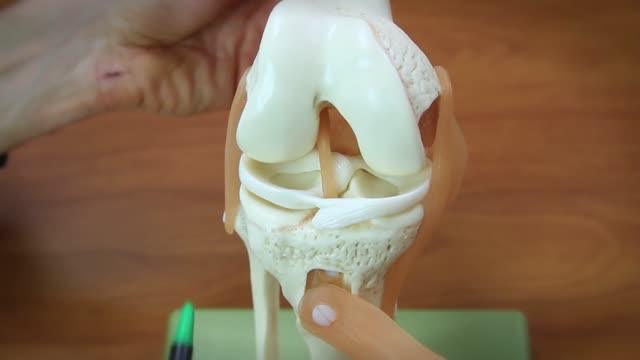
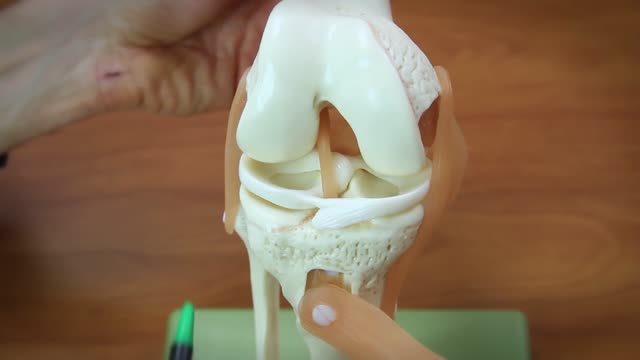
The menisci are two C-shaped pads of tough, rubbery cartilage sitting between the thigh bone and shin bone. Tears come in different patterns — lengthwise, radial, flap-like, or frayed — and the pattern and position influence treatment. The outer rim of the meniscus has a blood supply and can heal; the inner part has almost none, so tears there rarely mend on their own. Protecting the meniscus matters, because losing too much of it raises the long-term risk of arthritis in the knee.
Symptoms
A torn meniscus typically causes pain along the joint line on the inner or outer side of the knee, often felt when twisting or squatting. Swelling may appear at once or build over a day or two. The knee can catch, click, or lock — getting stuck so it will not fully straighten — if a torn flap wedges in the joint. In wear-and-tear tears, symptoms are often milder: an ache with activity and occasional swelling rather than a single dramatic injury.
Causes & risk factors
In younger people, tears usually follow a twisting injury with the foot planted — common in football, basketball, and skiing — and often occur alongside an ACL injury. In middle-aged and older adults, the cartilage gradually weakens and can tear during ordinary movements such as standing from a squat, sometimes with no remembered injury at all.
How it's diagnosed
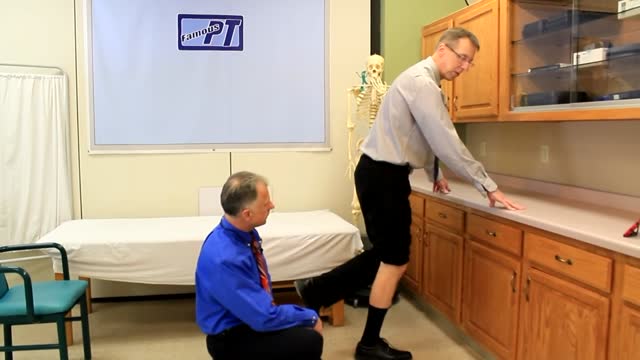
The clinician will ask how symptoms began and examine the knee for tenderness along the joint line, swelling, and range of movement, using rotation and pressure tests that reproduce the pain. X-rays do not show the meniscus but help exclude arthritis or fracture. An MRI scan is the most accurate way to confirm a tear and see its pattern, and is usually arranged when symptoms persist or surgery is being considered. Not every tear seen on a scan explains the pain — many adults have silent tears — so findings are matched against the examination.
Treatment overview
First steps are rest from aggravating activity, ice, elevation, and pain relief, followed by physiotherapy to restore movement, strength, and balance. Many tears, especially wear-and-tear tears in older knees, settle well with rehabilitation alone, and your doctor may suggest trying this first. Surgery, done by keyhole technique, either trims away the torn fragment or stitches the meniscus back together; repair is preferred where the tear pattern and position allow, because it protects the joint long-term. Recovery ranges from weeks after a trim to several months of protected rehabilitation after a repair.
When to seek care
A knee that is locked and will not straighten, swells rapidly after injury, or cannot bear weight needs prompt assessment. A hot, red, swollen knee with fever needs same-day care to exclude infection, and calf swelling or pain after a knee injury should be checked for a blood clot.
Frequently asked questions
Do all meniscus tears need surgery?
No — many meniscus tears, particularly gradual wear-and-tear tears, settle with physiotherapy and time, and surgery is not always better for those. Surgery is more likely to help when the knee locks, when a tear follows a clear injury in a younger person, or when good rehabilitation has not settled symptoms.
What is the difference between a meniscus trim and a repair?
A trim removes only the torn, unstable fragment and recovery is usually quick, while a repair stitches the tear so the cartilage can heal, protecting the joint better long-term but needing months of protected rehabilitation. Your surgeon chooses based on the tear's pattern, position, and blood supply.
Can a meniscus tear heal on its own?
Tears near the outer rim of the meniscus, where blood supply exists, can sometimes heal, especially in younger people. Tears in the inner, bloodless zone rarely heal by themselves, though they may still become painless with rehabilitation.
Will a meniscus tear cause arthritis?
Losing meniscus tissue increases stress on the joint surfaces, which raises the risk of arthritis over the years — one reason surgeons try to preserve or repair the meniscus where possible. Keeping the thigh muscles strong and a healthy weight helps protect the knee.
More in Bones/Joints/Muscles
Related topics on MedicalVideos.com
Sources & further reading
Authoritative references for readers who want to go deeper:
This page is for general education only and is not medical advice. A knee that locks and will not straighten after injury needs prompt assessment, as a displaced meniscus fragment may need timely treatment to protect the joint.