
- Physical Examination
- Surgical Examination
- Ophthalmology
- Clinical Skills
- Orthopedics
- Surgery Videos
- Laparoscopy
- Pediatrics
- Funny Videos
- Cardiothoracic Surgery
- Nursing Videos
- Plastic Surgery
- Otorhinolaryngology
- Histology and Histopathology
- Neurosurgery
- Dermatology
- Pediatric Surgery
- Urology
- Dentistry
- Oncology and Cancers
- Anatomy Videos
- Health and Fitness
- Radiology
- Anaesthesia
- Physical Therapy
- Pharmacology
- Interventional Radiology
- Cardiology
- Endocrinology
- Gynecology
- Emergency Medicine
- Psychiatry and Psychology
- Childbirth Videos
- General Medical Videos
- Nephrology
- Physiology
- Diet and Food Health
- Diabetes Mellitus
- Neurology
- Women Health
- Osteoporosis
- Gastroenterology
- Pulmonology
- Hematology
- Rheumatology
- Toxicology
- Nuclear Medicine
- Infectious Diseases
- Vascular Disease
- Reproductive Health
- Burns and Wound Healing
- Kidney Zone Podcast
- Other
Ganglion Cyst
A ganglion cyst is a harmless fluid-filled lump that grows from a joint or tendon, most often on the wrist or hand. This page explains its symptoms, causes, diagnosis, and treatment in plain language, with videos to help you follow the key points.
✓ Medically reviewed by Dr. Mohamed Ibrahim, MD, PhD — physician-scientist · Last reviewed: November 2026
In short: Ganglion cysts are benign sacs of jelly-like fluid that bulge from the lining of a joint or tendon sheath. They often change size, sometimes disappear on their own, and usually need treatment only if they ache, press on a nerve, or get in the way.
Watch: Ganglion Cyst videos

Read: the plain-language guide
Overview
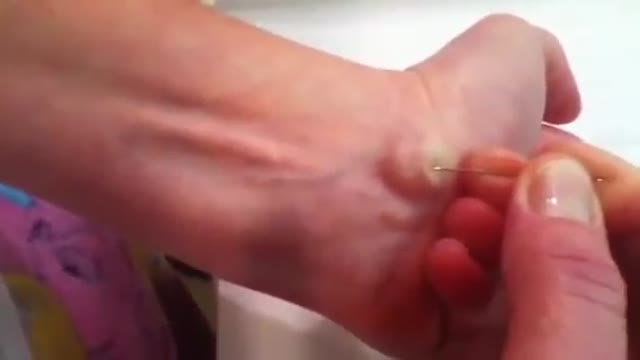
A ganglion is a small sac filled with thick, clear, jelly-like fluid — the same kind of fluid that lubricates joints and tendons. The sac connects to a nearby joint or tendon sheath by a narrow stalk, which is why the lump can swell and shrink as fluid moves. The back of the wrist is the classic site, but they also appear on the fingers and the top of the foot. They are the most common lump found in the hand, and they are not cancerous.
Symptoms
The lump itself is the main symptom: a smooth, round or oval swelling that feels firm or slightly spongy. Many cause no pain at all. Some ache, especially after activity or when the joint is bent, and a cyst pressing on a small nerve can cause tingling, numbness, or weakness in a finger. Size often fluctuates from week to week. A cyst at the base of a fingernail can groove the nail as it grows. Sudden pain with rapid swelling is unusual and should be checked.
Causes & risk factors
Why ganglions form is not fully settled. They are thought to develop when the tissue around a joint or tendon is irritated or weakened, allowing fluid to push out into a sac — a little like a balloon on a stalk. Repetitive movements and minor injuries may contribute, and they are common in gymnasts and people whose work loads the wrist. Ganglions occur most often in younger and middle-aged adults and more often in women.
How it's diagnosed
A clinician can usually diagnose a ganglion from its feel and position, and shining a light through the lump — it glows, unlike a solid tumor — is a classic bedside clue. An ultrasound scan can confirm that the lump is fluid-filled and show its connection to the joint. MRI is occasionally used when the diagnosis is uncertain or surgery is planned. Any lump that is hard, fixed, or growing steadily deserves a scan to rule out other causes.
Treatment overview
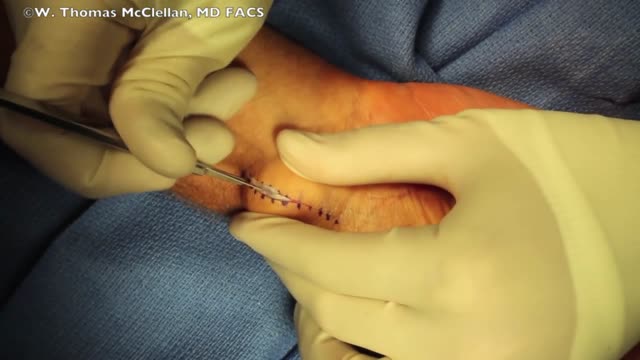
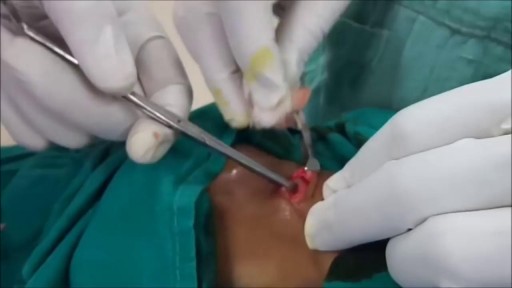
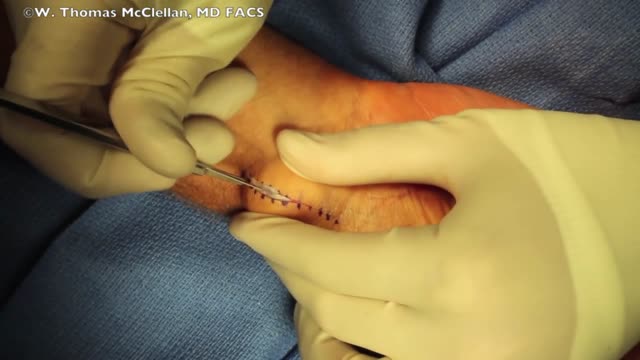
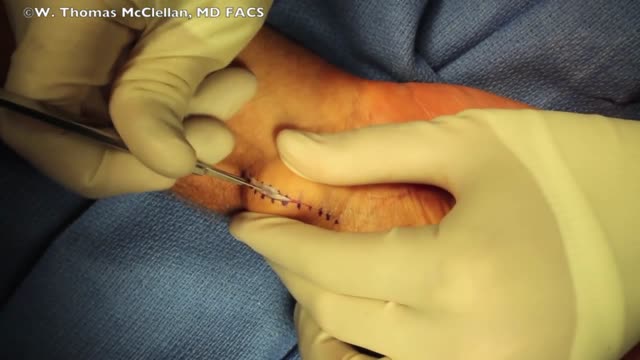
Many ganglions need no treatment at all: a good proportion shrink or vanish on their own, so watchful waiting is a reasonable first step if the lump is painless. If it troubles you, a doctor can drain the fluid with a needle, though cysts commonly refill because the stalk remains. Surgery removes the cyst together with its stalk and a small rim of joint lining, which lowers the chance of return. Old remedies such as striking the cyst with a heavy book should be avoided — they risk injury and do not remove the stalk.
When to seek care
A lump that is hard, does not move, grows quickly, or is accompanied by unexplained weight loss should be assessed promptly to exclude rarer causes. Numbness, weakness in the hand, or a cyst that follows an injury with severe pain also needs timely medical review.
Frequently asked questions
Can a ganglion cyst be cancerous?
Ganglion cysts are benign and do not turn into cancer. Because other, rarer lumps can look similar, any lump that is hard, fixed to deep tissue, or steadily enlarging should be examined and, if needed, scanned.
Will a ganglion cyst go away on its own?
Many ganglion cysts shrink or disappear without treatment, particularly in younger people, which is why doctors often suggest watching a painless cyst first. They can also come back after disappearing, draining, or even surgery, because the connection to the joint may persist.
Why does my ganglion cyst change size?
A ganglion connects to a joint or tendon sheath by a narrow stalk, so fluid can move in and out of the sac with activity and joint position. That is why the lump may be bigger after a busy day and smaller after rest.
Is it safe to drain a ganglion cyst at home?
Draining a cyst at home is not safe: unsterile needles can introduce infection into a joint, and the cyst usually refills anyway. If the lump bothers you, a clinician can drain it under sterile conditions or discuss removal.
More in Bones/Joints/Muscles
Related topics on MedicalVideos.com
Sources & further reading
Authoritative references for readers who want to go deeper:
This page is for general education only and is not medical advice. Most wrist lumps are ganglions, but a lump that is hard, fixed, or steadily growing needs examination and imaging rather than reassurance alone.