
- Physical Examination
- Surgical Examination
- Ophthalmology
- Clinical Skills
- Orthopedics
- Surgery Videos
- Laparoscopy
- Pediatrics
- Funny Videos
- Cardiothoracic Surgery
- Nursing Videos
- Plastic Surgery
- Otorhinolaryngology
- Histology and Histopathology
- Neurosurgery
- Dermatology
- Pediatric Surgery
- Urology
- Dentistry
- Oncology and Cancers
- Anatomy Videos
- Health and Fitness
- Radiology
- Anaesthesia
- Physical Therapy
- Pharmacology
- Interventional Radiology
- Cardiology
- Endocrinology
- Gynecology
- Emergency Medicine
- Psychiatry and Psychology
- Childbirth Videos
- General Medical Videos
- Nephrology
- Physiology
- Diet and Food Health
- Diabetes Mellitus
- Neurology
- Women Health
- Osteoporosis
- Gastroenterology
- Pulmonology
- Hematology
- Rheumatology
- Toxicology
- Nuclear Medicine
- Infectious Diseases
- Vascular Disease
- Reproductive Health
- Burns and Wound Healing
- Kidney Zone Podcast
- Other
Pancreatitis
Pancreatitis is inflammation of the pancreas, the organ behind the stomach that helps digest food and control blood sugar. It can start suddenly or develop over time. This page explains the symptoms, causes and treatment in plain language, with videos to help you understand how it is diagnosed and managed.
✓ Medically reviewed by Dr. Mohamed Ibrahim, MD, PhD — physician-scientist · Last reviewed: November 2026
In short: Acute pancreatitis comes on suddenly and often causes severe upper abdominal pain, while chronic pancreatitis develops gradually and can affect digestion and blood sugar. Gallstones and alcohol are common causes. Most care is supportive at first, with fluids, pain relief and rest for the pancreas, followed by treatment of the underlying cause.
Watch: Pancreatitis videos


Read: the plain-language guide
Overview
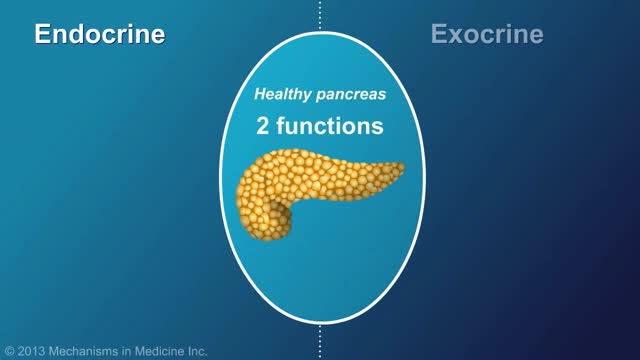
The pancreas makes digestive juices that flow into the small intestine and hormones, including insulin, that enter the blood. In pancreatitis, digestive enzymes become active inside the pancreas itself and irritate and inflame the tissue. Acute pancreatitis is a sudden episode that may be mild or, less commonly, severe. Chronic pancreatitis is long-lasting inflammation that gradually damages the organ, leading to ongoing pain and problems absorbing nutrients from food.
Symptoms
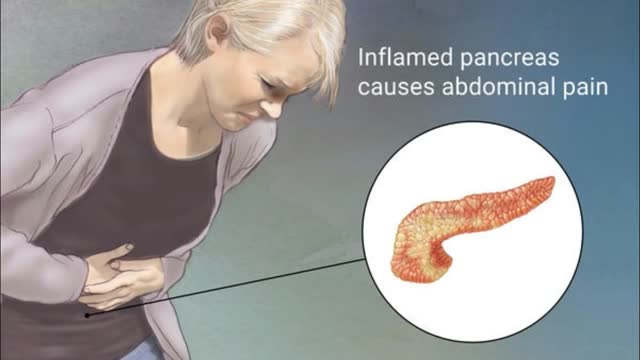
The main symptom of acute pancreatitis is pain in the upper abdomen that may spread to the back and feel worse after eating. Nausea, vomiting, fever, a tender or swollen abdomen and a fast pulse can also occur. Chronic pancreatitis may cause recurring upper abdominal pain, weight loss, oily or pale stools that are hard to flush, and loss of appetite. Over time, damage to the pancreas can also lead to diabetes.
Causes & risk factors
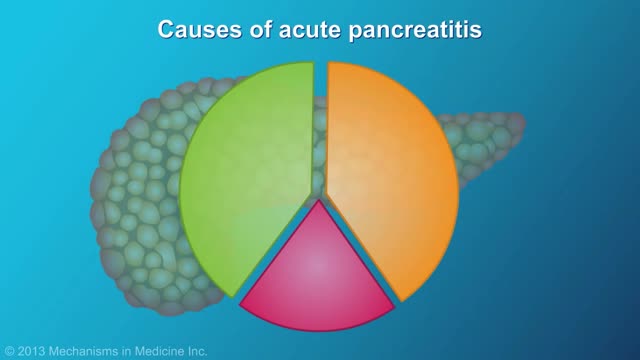
Gallstones are a leading cause of acute pancreatitis when a stone briefly blocks the duct where pancreatic juices drain. Heavy alcohol use is another major cause for both acute and chronic disease. Other causes include very high blood triglycerides, some medicines, infections, abdominal injury, and procedures involving the bile or pancreatic ducts. In chronic pancreatitis, repeated episodes of inflammation gradually scar the pancreas. Sometimes no clear cause is found after testing.
How it's diagnosed
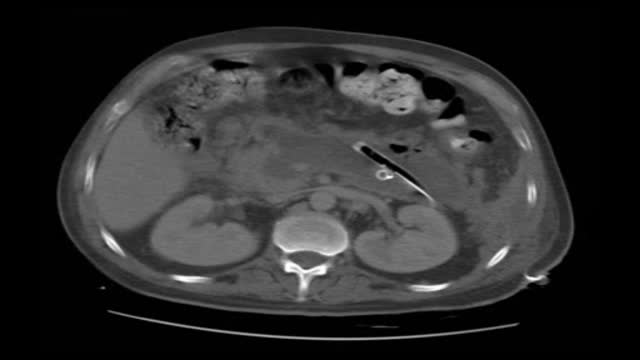
Diagnosis is based on the pattern of pain, blood tests and imaging. Blood tests often show raised levels of pancreatic enzymes such as amylase and lipase, along with tests of liver function and general health. Ultrasound can look for gallstones, while CT or MRI scans show inflammation, fluid collections or long-term damage. Clinicians also check for causes and complications, and monitor hydration, breathing and blood sugar during an acute episode.
Treatment overview
Treatment for acute pancreatitis is usually in hospital and is mainly supportive: fluids given into a vein, pain relief, and a pause from eating until pain and nausea settle, followed by gradual reintroduction of food. The underlying cause is treated, for example by managing gallstones or stopping alcohol. Chronic pancreatitis care focuses on pain control, enzyme replacement taken with meals where prescribed, nutrition support, diabetes management and avoiding alcohol and smoking. Specific plans are individual.
When to seek care
Seek urgent care for severe or persistent upper abdominal pain, repeated vomiting, fever, rapid heartbeat, dizziness or inability to keep fluids down. Pancreatitis can occasionally become severe, so new or worsening pain, breathing difficulty or confusion should be assessed promptly in an emergency setting rather than managed at home.
Frequently asked questions
What is the difference between acute and chronic pancreatitis?
Acute pancreatitis is a sudden episode of inflammation that often improves with hospital supportive care, although it can be severe. Chronic pancreatitis is long-term, ongoing damage that develops gradually, causing lasting problems with digestion, nutrition and sometimes blood sugar control.
Can pancreatitis go away on its own?
Mild acute episodes often settle with rest, fluids and supportive care, but they still need medical assessment because severity cannot be judged from pain alone. Chronic pancreatitis does not go away, although treatment can reduce symptoms and slow further damage.
Do I need to avoid alcohol after pancreatitis?
If alcohol contributed to pancreatitis, avoiding it completely is usually advised to lower the risk of further episodes and ongoing damage. Even when alcohol was not the cause, clinicians often recommend avoiding it during recovery. Support is available for people who find stopping difficult.
Can gallstones cause pancreatitis more than once?
Yes. If gallstones caused an episode and the gallbladder remains, further episodes can occur. Clinicians often discuss gallbladder removal or other bile duct treatment after recovery. The timing and choice of procedure depend on the episode severity and overall health.
More in Digestive
Related topics on MedicalVideos.com
Sources & further reading
Authoritative references for readers who want to go deeper:
- MedlinePlus: Pancreatitis
- NHS: Acute pancreatitis
- National Pancreas Foundation: Pancreatitis (National Pancreas Foundation)
This page is for general education only and is not medical advice. Severe upper abdominal pain with vomiting or fever can signal pancreatitis and should be assessed urgently.