
- Physical Examination
- Surgical Examination
- Ophthalmology
- Clinical Skills
- Orthopedics
- Surgery Videos
- Laparoscopy
- Pediatrics
- Funny Videos
- Cardiothoracic Surgery
- Nursing Videos
- Plastic Surgery
- Otorhinolaryngology
- Histology and Histopathology
- Neurosurgery
- Dermatology
- Pediatric Surgery
- Urology
- Dentistry
- Oncology and Cancers
- Anatomy Videos
- Health and Fitness
- Radiology
- Anaesthesia
- Physical Therapy
- Pharmacology
- Interventional Radiology
- Cardiology
- Endocrinology
- Gynecology
- Emergency Medicine
- Psychiatry and Psychology
- Childbirth Videos
- General Medical Videos
- Nephrology
- Physiology
- Diet and Food Health
- Diabetes Mellitus
- Neurology
- Women Health
- Osteoporosis
- Gastroenterology
- Pulmonology
- Hematology
- Rheumatology
- Toxicology
- Nuclear Medicine
- Infectious Diseases
- Vascular Disease
- Reproductive Health
- Burns and Wound Healing
- Kidney Zone Podcast
- Other
Fatty Liver Disease
Fatty liver disease is a condition in which extra fat builds up inside the liver, often linked to weight and metabolic health rather than alcohol. This page explains its symptoms, causes, and treatment in plain language, with videos covering the key points.
✓ Medically reviewed by Dr. Mohamed Ibrahim, MD, PhD — physician-scientist · Last reviewed: November 2026
In short: Fatty liver disease usually causes no symptoms and is often found on scans or blood tests done for other reasons. It matters because, over time, liver inflammation and scarring can develop. Weight loss and healthier habits can often improve or even reverse early changes.
Watch: Fatty Liver Disease videos
Read: the plain-language guide
Overview
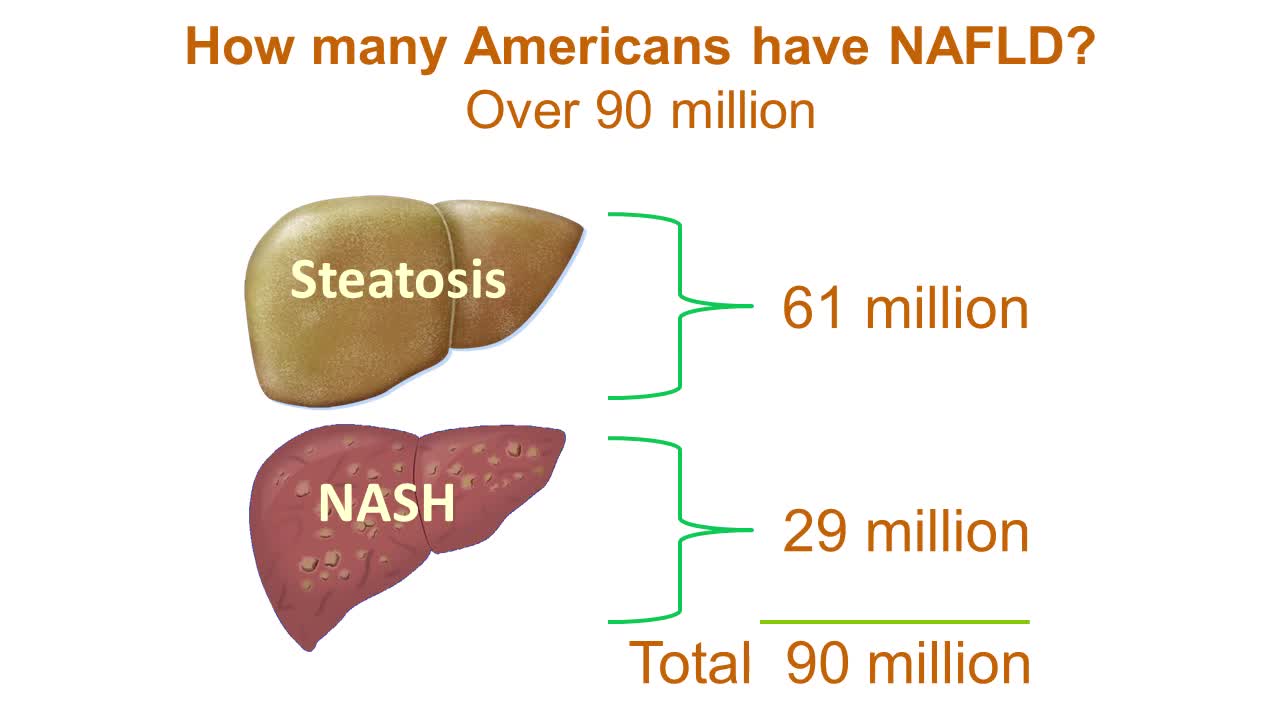
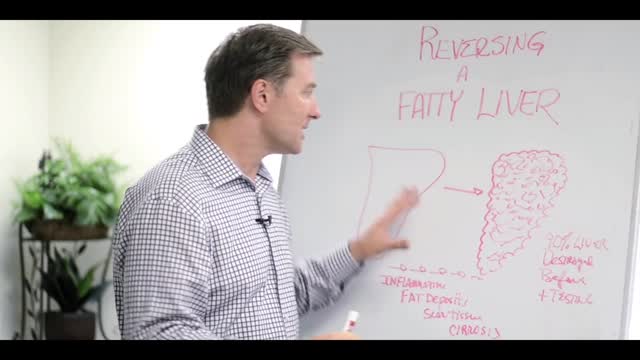
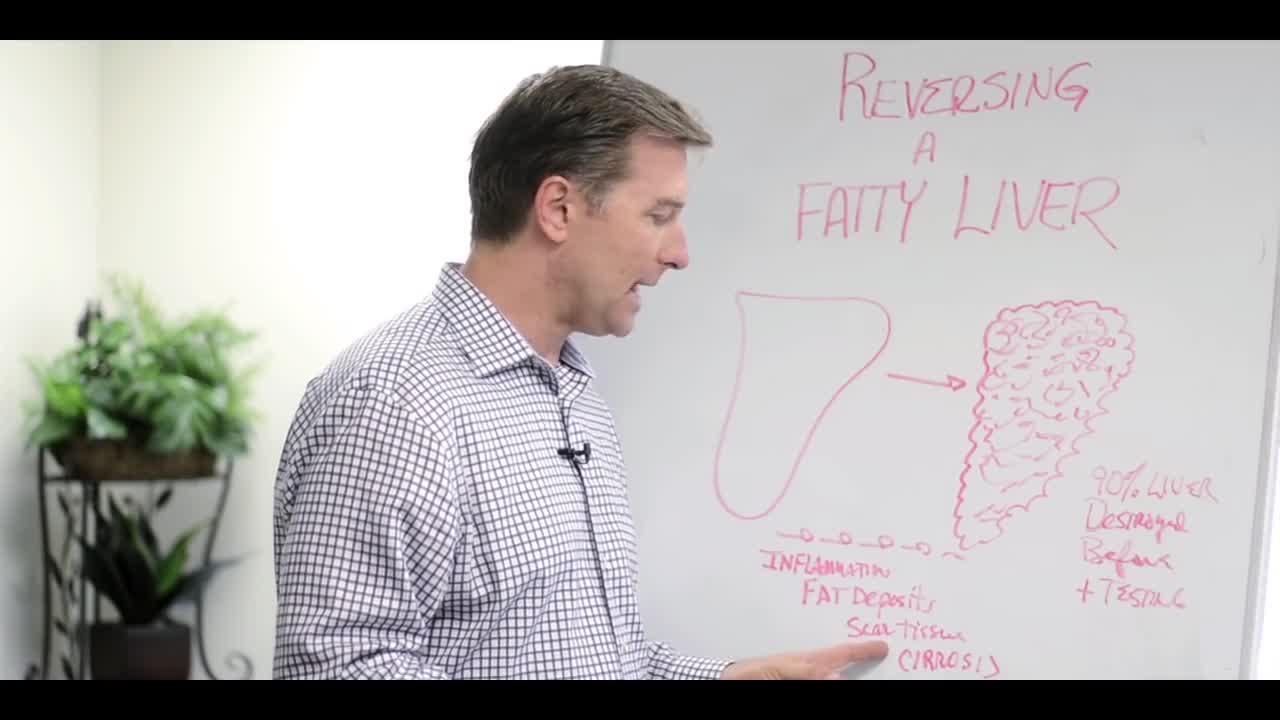
The liver processes nutrients, filters the blood, and stores energy. A healthy liver contains very little fat. In fatty liver disease, fat accumulates inside liver cells. The form linked to weight, diabetes, and cholesterol is now the most common. Many people stay at the simple fatty stage, but some develop inflammation, called steatohepatitis, which can gradually scar the liver. Advanced scarring is cirrhosis. Because early stages are silent, the condition is frequently discovered by chance during tests for something else.
Symptoms
Most people with fatty liver disease feel completely well and have no symptoms at all. Some notice vague tiredness or a dull ache under the ribs on the right side, where the liver sits. Symptoms usually appear only if the liver becomes badly scarred, when people may develop swelling of the abdomen or legs, yellowing of the skin or eyes, confusion, or easy bruising. The absence of symptoms does not mean the liver is unaffected, which is why follow-up of an incidental finding matters.
Causes & risk factors
Fatty liver develops when the liver stores more fat than it can process or move on. Carrying extra weight, especially around the waist, is the strongest driver. Type two diabetes, insulin resistance, high cholesterol, and high blood pressure commonly occur alongside it and add to the risk. Alcohol causes a similar fatty change, and the two can overlap. Certain medicines and rapid weight loss can also contribute. Genetics plays a part too, which is why some people of healthy weight still develop the condition.
How it's diagnosed
Diagnosis often begins with blood tests showing mildly abnormal liver results, followed by an ultrasound scan showing a bright, fatty liver. Blood-based scores and special scans that measure liver stiffness can estimate whether scarring is present and how advanced it is. A liver biopsy is occasionally needed when the picture is unclear. Clinicians also check blood sugar, cholesterol, and blood pressure, because managing the whole metabolic picture is central to protecting the liver.
Treatment overview
There is no single medicine that removes liver fat, so treatment centres on lifestyle and on the conditions travelling with it. Losing weight gradually through healthier eating and regular activity is the most effective step and can reduce fat, inflammation, and even early scarring. Limiting alcohol, sugary drinks, and processed foods helps. Diabetes, cholesterol, and blood pressure should be well controlled. Follow-up scans and blood tests track progress. Advanced disease is managed by liver specialists, with transplant considered only in severe cases.
When to seek care
Seek prompt care for yellowing of the skin or eyes, swelling of the abdomen, vomiting blood, black stools, or new confusion or severe drowsiness. These can signal advanced liver disease or bleeding inside the gut and need urgent hospital assessment rather than routine follow-up or waiting for the next scheduled appointment.
Frequently asked questions
Can fatty liver disease be reversed?
Yes, in its earlier stages fatty liver can improve and often clears with sustained weight loss, healthier eating, and regular activity. Once severe scarring has developed, the changes are harder to reverse, which is why acting early makes a real difference.
Does fatty liver disease always lead to cirrhosis?
No. Many people remain at the simple fatty stage and never develop serious liver damage. The risk rises when inflammation is present and when diabetes, obesity, and alcohol continue to strain the liver, so managing those factors lowers the chance of progression.
If I feel well, why does fatty liver matter?
Fatty liver is silent, but it signals strain on the liver and travels with diabetes and heart disease risk. Finding it early is an opportunity: lifestyle changes at this stage can protect the liver and improve overall metabolic health.
Should I avoid alcohol completely with fatty liver?
Alcohol adds to liver strain, so cutting down is wise and stopping entirely is safest when inflammation or scarring is present. Your clinician can advise what is appropriate for your stage of disease and your overall health.
More in Digestive
Related topics on MedicalVideos.com
Sources & further reading
Authoritative references for readers who want to go deeper:
This page is for general education only and is not medical advice. Fatty liver usually has no symptoms, so an incidental scan or blood-test finding still needs the follow-up your clinician recommends.