
- Physical Examination
- Surgical Examination
- Ophthalmology
- Clinical Skills
- Orthopedics
- Surgery Videos
- Laparoscopy
- Pediatrics
- Funny Videos
- Cardiothoracic Surgery
- Nursing Videos
- Plastic Surgery
- Otorhinolaryngology
- Histology and Histopathology
- Neurosurgery
- Dermatology
- Pediatric Surgery
- Urology
- Dentistry
- Oncology and Cancers
- Anatomy Videos
- Health and Fitness
- Radiology
- Anaesthesia
- Physical Therapy
- Pharmacology
- Interventional Radiology
- Cardiology
- Endocrinology
- Gynecology
- Emergency Medicine
- Psychiatry and Psychology
- Childbirth Videos
- General Medical Videos
- Nephrology
- Physiology
- Diet and Food Health
- Diabetes Mellitus
- Neurology
- Women Health
- Osteoporosis
- Gastroenterology
- Pulmonology
- Hematology
- Rheumatology
- Toxicology
- Nuclear Medicine
- Infectious Diseases
- Vascular Disease
- Reproductive Health
- Burns and Wound Healing
- Kidney Zone Podcast
- Other
Trigeminal Neuralgia
Trigeminal neuralgia is a nerve condition that causes sudden, severe, electric shock-like pains in the face. This page explains its symptoms, causes, diagnosis, and treatment in plain language, with videos to help you follow the key points.
✓ Medically reviewed by Dr. Mohamed Ibrahim, MD, PhD — physician-scientist · Last reviewed: November 2026
In short: In trigeminal neuralgia, the trigeminal nerve — the main nerve carrying feeling from the face — fires off brief bursts of intense pain, often triggered by touch, chewing, or a breeze. Attacks last seconds but can strike many times a day, and effective treatments exist.
Watch: Trigeminal Neuralgia videos

Read: the plain-language guide
Overview
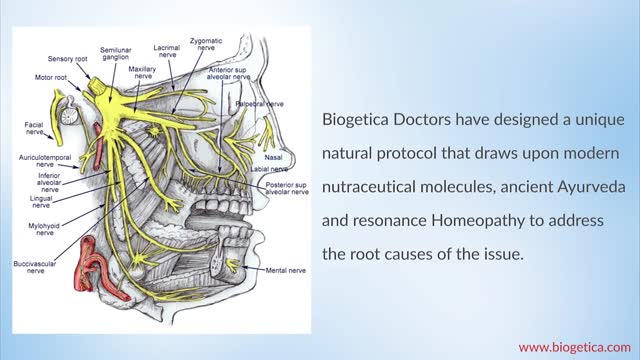
The trigeminal nerve has three branches supplying the forehead, cheek, and jaw on each side of the face. In trigeminal neuralgia, irritation of this nerve makes it send pain signals far out of proportion to any stimulus. The classic form usually affects one side only, most often in the cheek or jaw branch. Attacks come in clusters over weeks, sometimes with quiet gaps of months between bouts. Although the pain is among the most intense known, it can be treated.
Symptoms
Pain arrives as sudden stabbing, shooting, or electric shock jolts on one side of the face, most often in the cheek, jaw, teeth, or gums. Each jolt lasts a few seconds to about two minutes, and attacks can repeat in rapid succession. Everyday actions trigger them: washing the face, brushing teeth, chewing, talking, shaving, or light touch and cold air. Between attacks many people feel completely normal, though some develop a background ache. Because the pain centers on the teeth and jaw, people often see a dentist first.
Causes & risk factors
The most common cause is a blood vessel pressing on the trigeminal nerve where it leaves the brainstem, wearing away its protective coating so signals short-circuit. Less often, the nerve is irritated by multiple sclerosis, which damages the same coating, or by a tumor or other growth pressing on the nerve — which is why new cases are scanned. In some people no clear cause is found. It is not caused by stress or dental work, although dental problems can mimic it.
How it's diagnosed
Diagnosis rests mainly on the story: brief, one-sided, shock-like facial pains with typical triggers and pain-free gaps. A neurological examination is usually normal in the classic form. An MRI scan of the brain is normally arranged to look for a vessel pressing on the nerve and to exclude multiple sclerosis or a growth. Keeping a short diary of attacks, triggers, and how long they last helps the doctor judge severity and treatment response.
Treatment overview
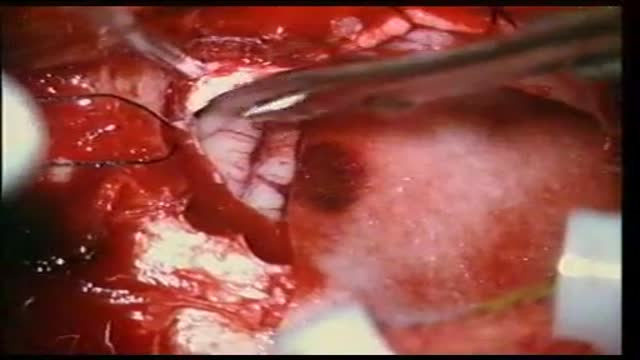
Medicines that calm nerve firing are the first line of treatment, and your doctor may start with an anti-seizure medicine used for nerve pain, adjusting the dose against pain and side effects. Other nerve-pain medicines are options if the first does not suit. When medicines fail or cause too many side effects, procedures can help: these include injections or targeted treatments to the nerve, and an operation that places a tiny cushion between the nerve and the pressing blood vessel. A specialist will weigh the options with you.
When to seek care
Facial pain with fever, facial swelling, a rash of blisters near the eye, new weakness or numbness elsewhere, or pain that is constant rather than in short bursts needs prompt medical assessment, as these point to other causes. Seek help sooner rather than later if attacks stop you eating, drinking, or taking essential medicines.
Frequently asked questions
Is trigeminal neuralgia caused by a tooth problem?
Trigeminal neuralgia is a nerve condition, not a tooth problem, but its pain is often felt in the teeth and jaw, so a dental check is usually part of the work-up. If teeth are healthy and pain comes in brief electric bursts, a nerve cause moves to the top of the list.
Does trigeminal neuralgia go away on its own?
Trigeminal neuralgia often comes in bouts, with pain-free gaps that can last months, especially early on. Bouts tend to return, so most people benefit from a treatment plan agreed with their doctor even during quiet periods.
What triggers trigeminal neuralgia attacks?
Light touch is the classic trigger: washing the face, brushing teeth, chewing, talking, shaving, makeup, or a cold breeze can all set off a burst. Noting your triggers helps you and your doctor judge how well treatment is working.
Can trigeminal neuralgia be cured?
Some procedures, particularly surgery that moves a blood vessel away from the nerve, can give long-lasting freedom from pain for suitable patients. Medicines control attacks for many others, so the realistic goal discussed with a specialist is durable pain control with the fewest side effects.
More in Brain & Nerves
Related topics on MedicalVideos.com
Sources & further reading
Authoritative references for readers who want to go deeper:
- NHS: Trigeminal Neuralgia
- MedlinePlus: Trigeminal Neuralgia
- NINDS: Trigeminal Neuralgia (NINDS)
This page is for general education only and is not medical advice. Brief electric facial pain is usually trigeminal neuralgia, but facial pain with blisters near the eye, fever, or new weakness needs same-day assessment for other causes.