
- Physical Examination
- Surgical Examination
- Ophthalmology
- Clinical Skills
- Orthopedics
- Surgery Videos
- Laparoscopy
- Pediatrics
- Funny Videos
- Cardiothoracic Surgery
- Nursing Videos
- Plastic Surgery
- Otorhinolaryngology
- Histology and Histopathology
- Neurosurgery
- Dermatology
- Pediatric Surgery
- Urology
- Dentistry
- Oncology and Cancers
- Anatomy Videos
- Health and Fitness
- Radiology
- Anaesthesia
- Physical Therapy
- Pharmacology
- Interventional Radiology
- Cardiology
- Endocrinology
- Gynecology
- Emergency Medicine
- Psychiatry and Psychology
- Childbirth Videos
- General Medical Videos
- Nephrology
- Physiology
- Diet and Food Health
- Diabetes Mellitus
- Neurology
- Women Health
- Osteoporosis
- Gastroenterology
- Pulmonology
- Hematology
- Rheumatology
- Toxicology
- Nuclear Medicine
- Infectious Diseases
- Vascular Disease
- Reproductive Health
- Burns and Wound Healing
- Kidney Zone Podcast
- Other
Vertigo
Vertigo is a spinning sensation in which you feel that you or the room around you is moving when nothing is actually moving. This page explains its symptoms, causes, and treatment in plain language, with videos to help you follow the key points.
✓ Medically reviewed by Dr. Mohamed Ibrahim, MD, PhD — physician-scientist · Last reviewed: November 2026
In short: Vertigo is a symptom, not a disease, and it usually comes from the balance system of the inner ear. The commonest cause is loose crystals in the ear's balance canals, which can often be fixed with a simple repositioning manoeuvre. New vertigo with weakness or speech problems is an emergency.
Watch: Vertigo videos


Read: the plain-language guide
Overview
Vertigo occurs when balance signals from the inner ear, eyes, and joints conflict, most often because of a problem in the inner ear's balance organs. Attacks can last seconds, minutes, or hours depending on the cause, and are typically worsened by head movements such as rolling over in bed. Although vertigo is distressing and often comes with nausea, most causes are inner-ear problems that settle or can be treated. Rarely, vertigo is the first sign of a stroke affecting the back of the brain.
Symptoms
The defining symptom is a false sense of spinning or movement, as if the room is rotating. Attacks may be brief, as with position changes, or last hours with severe nausea and vomiting. Unsteadiness and a tendency to fall toward one side are common during an attack. Some causes add ear symptoms: hearing loss, ringing, or a feeling of fullness in the ear. The pattern of timing, triggers, and accompanying symptoms is the best clue to the cause.
Causes & risk factors
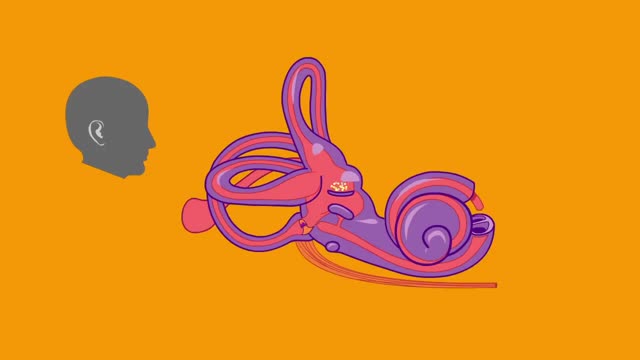
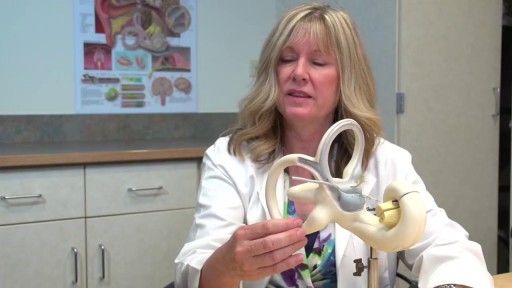
The commonest cause is benign paroxysmal positional vertigo, in which tiny crystals that belong in one part of the inner ear drift into the balance canals and trigger spinning when the head moves. Inflammation of the balance nerve or inner ear, often after a viral illness, causes longer attacks lasting hours to days. Ménière's disease produces attacks with hearing loss and ringing in the ear. Vestibular migraine can cause vertigo with or without headache. Less commonly, vertigo results from medicines, low blood pressure on standing, or a stroke.
How it's diagnosed
Diagnosis rests mainly on a careful history: when attacks happen, how long they last, what triggers them, and whether hearing is affected. Examination may include a head-positioning test that reproduces the spinning and reveals characteristic eye movements, confirming the crystal problem. Hearing tests help when Ménière's disease is suspected. Brain imaging, usually MRI, is arranged when symptoms suggest a central cause, such as vertigo with weakness, double vision, or difficulty walking, or when the pattern does not fit an inner-ear cause.
Treatment overview
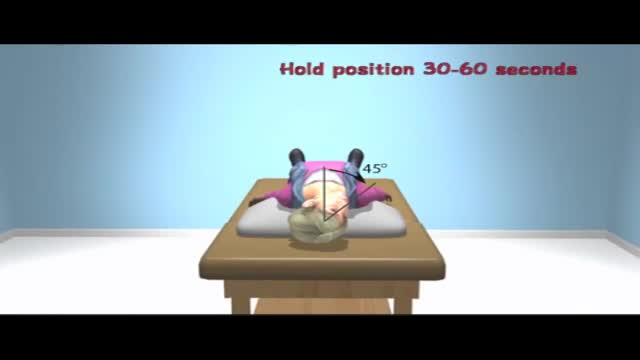
Treatment depends on the cause. The crystal problem is treated with repositioning manoeuvres, in which a clinician guides the head through a sequence of positions to move the crystals back; these often work within one or two sessions. Balance rehabilitation exercises help the brain adapt after inner-ear inflammation. Anti-sickness medicines may be used briefly for severe nausea during an attack but are not a long-term solution. Most inner-ear causes improve steadily over days to weeks.
When to seek care
Call emergency services for vertigo that comes with weakness, double vision, slurred speech, a severe headache, new deafness in one ear, or inability to walk steadily, as these may indicate a stroke. Seek urgent care if vomiting prevents you keeping fluids down.
Frequently asked questions
Is vertigo the same as dizziness?
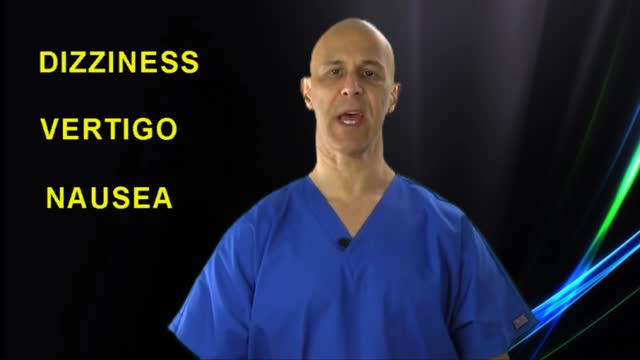
Vertigo is one specific type of dizziness: the spinning or moving sensation. Dizziness is a broader term that also covers light-headedness, faintness, and unsteadiness. Describing exactly which sensation you feel helps your clinician narrow down the cause.
Can vertigo be a sign of stroke?
Usually vertigo comes from the inner ear and is not a stroke. However, a stroke at the back of the brain can begin with vertigo, especially when it is accompanied by weakness, double vision, slurred speech, clumsiness, or inability to walk. Those combinations are an emergency.
How is the crystal problem (BPPV) fixed?
A clinician performs a repositioning manoeuvre, most commonly the Epley manoeuvre, moving your head and body through a set sequence so the loose crystals roll out of the balance canal. It takes a few minutes and often stops the spinning after one or two treatments, and can be repeated if symptoms return.
Will vertigo come back?
It depends on the cause. The crystal problem commonly returns months or years later and can be treated again with the same manoeuvre. Vertigo from inner-ear inflammation usually settles and does not recur, while Ménière's disease and vestibular migraine tend to cause repeated attacks that are managed long term.
More in Brain & Nerves
Related topics on MedicalVideos.com
Sources & further reading
Authoritative references for readers who want to go deeper:
This page is for general education only and is not medical advice. Vertigo that comes with weakness, double vision, slurred speech, or being unable to walk steadily may be a stroke and needs emergency care, not rest at home.