
- Physical Examination
- Surgical Examination
- Ophthalmology
- Clinical Skills
- Orthopedics
- Surgery Videos
- Laparoscopy
- Pediatrics
- Funny Videos
- Cardiothoracic Surgery
- Nursing Videos
- Plastic Surgery
- Otorhinolaryngology
- Histology and Histopathology
- Neurosurgery
- Dermatology
- Pediatric Surgery
- Urology
- Dentistry
- Oncology and Cancers
- Anatomy Videos
- Health and Fitness
- Radiology
- Anaesthesia
- Physical Therapy
- Pharmacology
- Interventional Radiology
- Cardiology
- Endocrinology
- Gynecology
- Emergency Medicine
- Psychiatry and Psychology
- Childbirth Videos
- General Medical Videos
- Nephrology
- Physiology
- Diet and Food Health
- Diabetes Mellitus
- Neurology
- Women Health
- Osteoporosis
- Gastroenterology
- Pulmonology
- Hematology
- Rheumatology
- Toxicology
- Nuclear Medicine
- Infectious Diseases
- Vascular Disease
- Reproductive Health
- Burns and Wound Healing
- Kidney Zone Podcast
- Other
Neurology Videos & Guides
Neurology is the specialty of the brain, spinal cord and peripheral nerves — stroke, epilepsy, dementia, Parkinson's disease, migraine and multiple sclerosis. This page gathers MedicalVideos.com's neurology library in one place: the most-watched videos from the Neurology category (188 videos as of November 2026), the condition guides that belong to this specialty, and links to procedures, clinical signs and symptom guides.
✓ Medically reviewed by Dr. Mohamed Ibrahim, MD, PhD — physician-scientist · Last reviewed: November 2026
Top videos
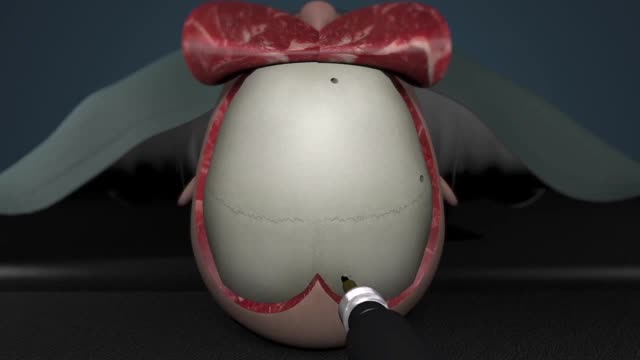 Craniectomy63,615 views
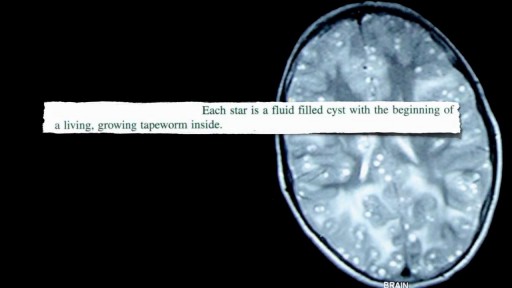 Neurocysticercosis: Parasitic Infection of the Brain43,691 views
 Migraine Pathophysiology29,255 views
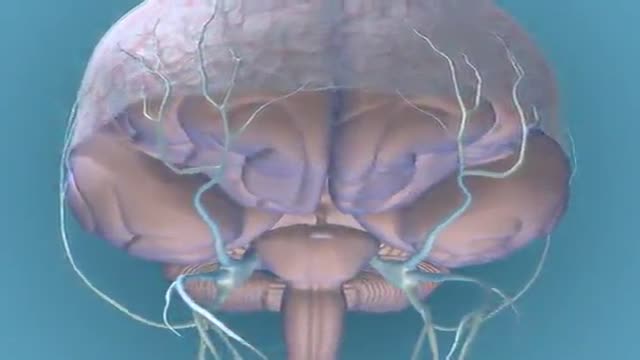 Migraine Pathophysiology 3D Animation28,399 views
 World's First Head Transplant:22,427 views
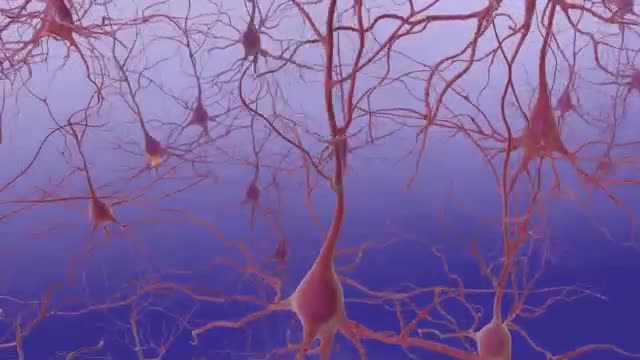 Unraveling the Mystery of Alzheimer's Disease21,431 views
About Neurology
Neurologists piece together a diagnosis from the story and the examination — where the weakness is, how the reflexes behave — supported by scans, nerve tests and lumbar puncture. Many neurological conditions are long-term, so the specialty also focuses on adjusting treatment over years as needs change.
Start with the most-watched neurology videos below, then the condition guides for stroke, epilepsy and dementia. When an operation is the answer, the Neurosurgery page gathers the surgical side of brain and spine care.
Neurology works in close partnership with neurosurgery, psychiatry (the boundary between brain and mind disorders is actively managed in joint services such as epilepsy and functional neurology), and rehabilitation medicine. Specialist nurses for epilepsy, multiple sclerosis, Parkinson's and motor neurone disease carry much of the long-term care. Stroke medicine sits within neurology or geriatric medicine depending on the hospital.
Neurology in practice
Neurological diagnosis is famously anatomical: the pattern of weakness, numbness, reflex and eye signs points to where in the nervous system the problem sits, and scans then confirm it. EEG, nerve conduction studies and lumbar puncture add evidence that imaging cannot give.
Treatment has changed quickly in this specialty: clot-busting and clot-retrieval for stroke, disease-modifying drugs for multiple sclerosis, and deep brain stimulation for movement disorders. Rehabilitation — physiotherapy, speech and occupational therapy — is part of treatment for almost every condition neurology manages.
Referral follows symptoms such as weakness, blackouts, tremor, persistent headache or memory problems, often after a first scan or blood test. Neurology clinics run long appointments because the history is the main diagnostic tool. Keeping a symptom diary — timing, triggers, what exactly happened — is the single most useful preparation for a first neurology visit.
Condition guides
Reference & hubs
Calculators & tools
Common questions
What does a neurologist do?
A neurologist diagnoses and treats conditions of the brain, spinal cord and nerves: stroke, epilepsy, migraine, dementia, Parkinson's disease, multiple sclerosis and nerve and muscle disorders. They use examination, scans and nerve studies, and treat mainly with medicines and rehabilitation rather than surgery.
What can I watch and read about neurology on MedicalVideos.com?
You can watch the most-watched videos from the site's Neurology category — 188 videos as of November 2026 — and read condition guides for stroke, epilepsy, migraine, dementia, Parkinson's disease, multiple sclerosis and more, all linked from this page.
Which neurological symptoms are emergencies?
Sudden weakness, speech difficulty or facial droop means stroke until proven otherwise — call emergency services immediately. New seizures, fainting, progressive weakness, or memory problems that interfere with daily life should also be assessed promptly.
More in Mind & Brain
Sources
- American Academy of Neurology (AAN)
- MedlinePlus — Neurologic diseases (MedlinePlus)
This page is general education only and is not medical advice. It gathers videos and guides published on MedicalVideos.com for one specialty; it does not replace assessment or treatment by your own clinician. Video counts are the counts shown on the site's category pages in November 2026.