
- Procedures & Tests
- Symptoms A-Z
- Symptom Checker
- Kidney Diet
- First Aid
- Anatomy Atlas
- Ask MedicalVideos
- Drug Guide
- Lab Values
- Vital Signs
- Muscles A–Z
- Clinical Signs
- Medical Abbreviations
- Medical Terminology
- Physical Examination
- Surgical Examination
- Ophthalmology
- Clinical Skills
- Orthopedics
- Surgery Videos
- Laparoscopy
- Pediatrics
- Medical Humor
- Cardiothoracic Surgery
- Nursing Videos
- Plastic Surgery
- Otorhinolaryngology
- Histology and Histopathology
- Neurosurgery
- Dermatology
- Pediatric Surgery
- Urology
- Dentistry
- Oncology and Cancers
- Anatomy Videos
- Health and Fitness
- Radiology
- Anaesthesia
- Physical Therapy
- Pharmacology
- Interventional Radiology
- Cardiology
- Endocrinology
- Gynecology
- Emergency Medicine
- Psychiatry and Psychology
- Childbirth Videos
- General Medical Videos
- Nephrology
- Physiology
- Diet and Food Health
- Diabetes Mellitus
- Neurology
- Women Health
- Osteoporosis
- Gastroenterology
- Pulmonology
- Hematology
- Rheumatology
- Toxicology
- Nuclear Medicine
- Infectious Diseases
- Vascular Disease
- Reproductive Health
- Burns and Wound Healing
- Kidney Zone Podcast
- Other
Sensory and reflexes exam of the upper limb
USMLE. Sensory and reflexes exam of the upper limb [video]. MedicalVideos.com; 2024 Jan 17 [cited 2026 Nov 23]. Available from: https://www.medicalvideos.com/watch/sensory-and-reflexes-exam-of-the-upper-limb_rHTFbfNphsqwyLhvPDeJ.html
USMLE (2024, January 17). Sensory and reflexes exam of the upper limb [Video]. MedicalVideos.com. https://www.medicalvideos.com/watch/sensory-and-reflexes-exam-of-the-upper-limb_rHTFbfNphsqwyLhvPDeJ.html
USMLE. “Sensory and reflexes exam of the upper limb.” MedicalVideos.com, 17 Jan. 2024, https://www.medicalvideos.com/watch/sensory-and-reflexes-exam-of-the-upper-limb_rHTFbfNphsqwyLhvPDeJ.html. Accessed 23 Nov. 2026.
@misc{medicalvideos2024_rHTFbfNphsqwyLhvPDeJ,
  author = {USMLE},
  title = {Sensory and reflexes exam of the upper limb},
  publisher = {MedicalVideos.com},
  year = {2024},
  month = {1},
  url = {https://www.medicalvideos.com/watch/sensory-and-reflexes-exam-of-the-upper-limb_rHTFbfNphsqwyLhvPDeJ.html},
  note = {Video},
  urldate = {2026-11-23}
}Vancouver (NLM) is the manuscript standard for medical journals. RIS imports into EndNote, Zotero and Mendeley.

Educational only: videos on MedicalVideos.com are for general information and are not medical advice. Always consult your own doctor about your health.
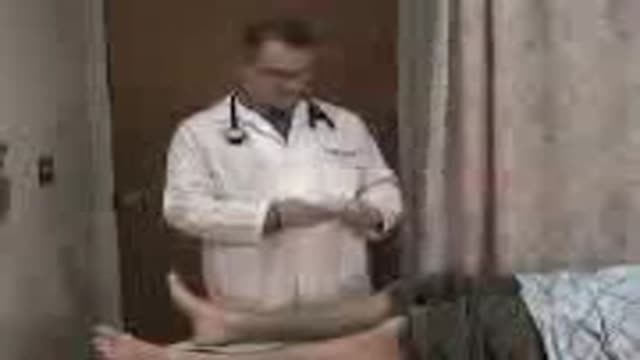
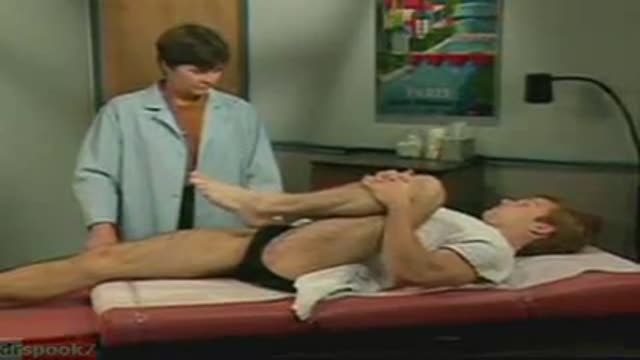
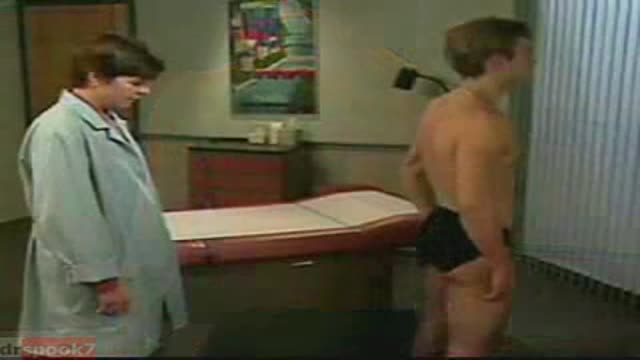
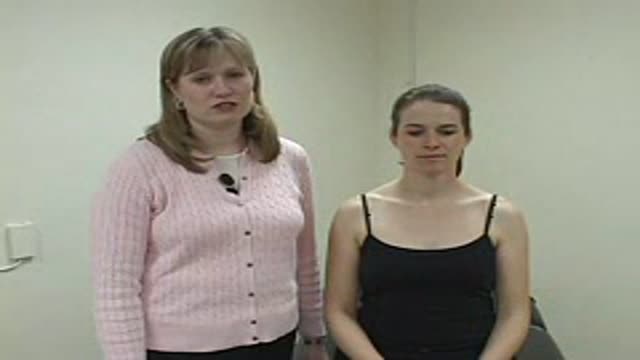
Upper limb sensory and reflex testing is demonstrated in this physical examination video. The examiner elicits triceps, biceps and brachioradialis reflexes, then compares dull, sharp and pain sensation on both sides using a broken cotton swab. Testing extends to the fingers, hands and posterior neck and back.
This video in 30 seconds
This video shows sensory and reflexes examination of the upper limb from the USMLE collection. It presents both the sensory testing and reflex assessment of the arm.
Key points
- Shows sensory examination of the upper limb
- Shows reflexes examination of the upper limb
- Presents the examination from the USMLE collection
Video Transcript
A hands-on examination demonstration on a named patient covering tone and deep tendon reflexes of the upper limb, including triceps, biceps and brachioradialis. The examiner then tests sensation by comparing dull and sharp ends of a broken cotton swab on both sides, including the fingers and posterior neck and back, and briefly tests pain sensation.
Read the full transcript
All right. And that will cause a twitch in the triceps muscle here. Next, the biceps. It is easy to have the patient lift their thumb if you could, Jason, for me and flex upwards. This helps you locate the biceps tendon in the antacubital space here. All right. Just relax. Placing a thumb over this area and just having the patient completely relax and then striking it. Good. This gives you a biceps reflex. All right. The next and final one, the last reflex of the upper extremity that we always test is the brachioradialis.
All right, Jason, I'm just going to tap you here in the arm. Just relax. This is found on the posterior aspect of the forearm here, approximately one-third the distance between the wrist and the elbow, tapping approximately right here. All right. Just relax. Good. All right. This is an assessment of the tone and deep tendon reflexes of the upper extremity. A quick and easy way to assess the sensory of the upper extremity is by using a Q-tip with the end broken off. So you have both a dull and a sharp end.
All right, Jason, I'm going to place this on your skin. This is a dull sensation. You feel that? And this is a sharp sensation. Okay, I'm going to have you close your eyes and I'm going to touch you in various places. You tell me if you can feel these, okay? And always comparing both sides, right and left, left and right. Was that dull or sharp? Dull. And how about over here? Sharp. If you could open your hands for me? You can test the fingers too. Sharp. Good.
Dull. Excellent. Easy way to assess. You can also assess posteriorly here up in the neck and posterior back. Dull. Excellent. If you could raise your hands up for me, testing the posterior aspects. Close your eyes please. You can just relax your arms down. Next, I'm going to test... I'm not going to hurt you, but I'm going to make you feel a little discomfort. All right? Okay. And you can open your eyes now. You tell me if you can feel this. Yes. Okay. So just testing for pain sensation on both sides without injuring the patient.
Yes. In three positions in the upper extremities is sufficient. Yes. All right. All right.
Transcript auto-generated from the video’s audio for accessibility and study. Educational content only — not medical advice.
Related reading
Save videos for later
Create a free account to build your own watch-later list and playlists, and pick up where you left off on any device.
Medical Videos
Free medical and surgery videos for patients, students and professionals — trusted since 2007.
Founded by Dr. Mohamed Ibrahim, MD, PhD — physician-scientist.
Follow us on Facebook · Instagram
SORT BY-
Top Comments
-
Latest comments