- Physical Examination
- Surgical Examination
- Ophthalmology
- Clinical Skills
- Orthopedics
- Surgery Videos
- Laparoscopy
- Pediatrics
- Funny Videos
- Cardiothoracic Surgery
- Nursing Videos
- Plastic Surgery
- Otorhinolaryngology
- Histology and Histopathology
- Neurosurgery
- Dermatology
- Pediatric Surgery
- Urology
- Dentistry
- Oncology and Cancers
- Anatomy Videos
- Health and Fitness
- Radiology
- Anaesthesia
- Physical Therapy
- Pharmacology
- Interventional Radiology
- Cardiology
- Endocrinology
- Gynecology
- Emergency Medicine
- Psychiatry and Psychology
- Childbirth Videos
- General Medical Videos
- Nephrology
- Physiology
- Diet and Food Health
- Diabetes Mellitus
- Neurology
- Women Health
- Osteoporosis
- Gastroenterology
- Pulmonology
- Hematology
- Rheumatology
- Toxicology
- Nuclear Medicine
- Infectious Diseases
- Vascular Disease
- Reproductive Health
- Burns and Wound Healing
- Kidney Zone Podcast
- Other
Reproductive System
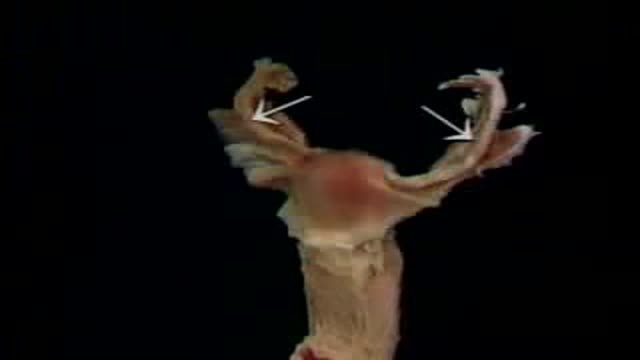
Video still from MedicalVideos.com: female reproductive system anatomy
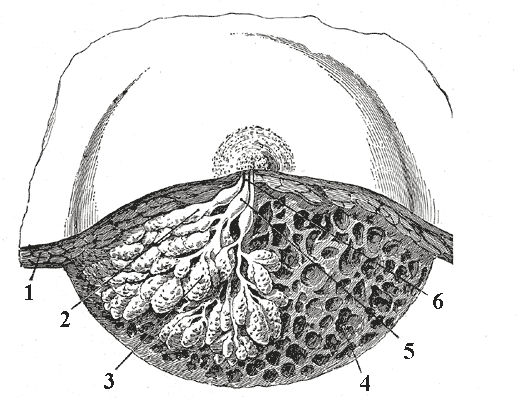
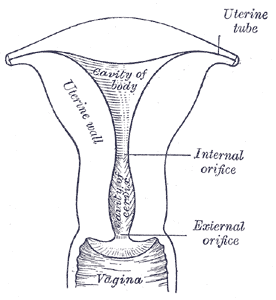
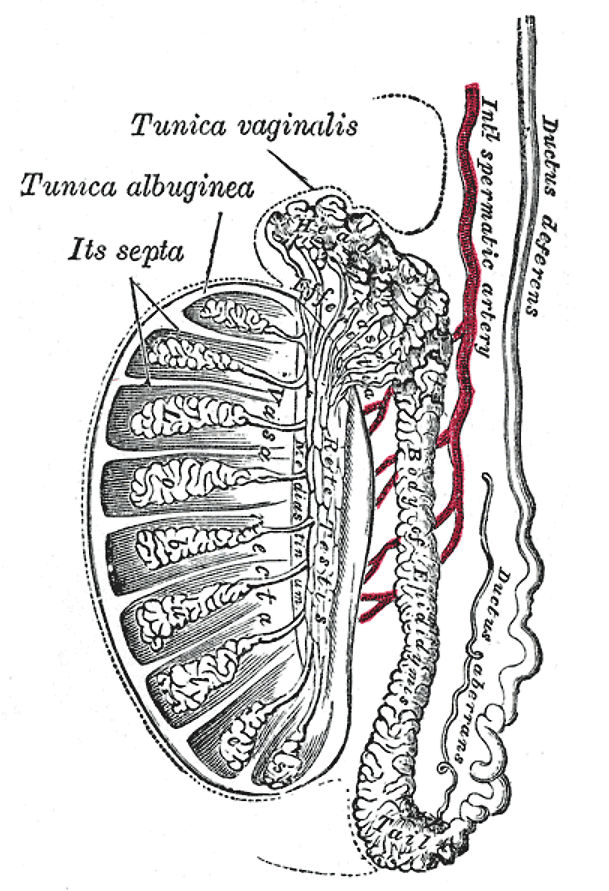
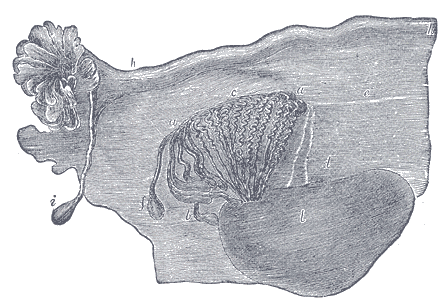
The reproductive system produces gametes (eggs and sperm), brings them together for fertilisation, and — in women — nourishes the developing baby. Female structures include the ovaries, fallopian tubes, uterus, cervix, vagina and vulva, plus the breasts; male structures include the testes, epididymides, vasa deferentia, seminal vesicles, prostate and penis. Both are orchestrated by hormones from the brain and gonads in feedback loops.
Key facts
- Gamete production differs fundamentally: sperm are made continuously in the hundreds of millions, while eggs are a finite store present from before birth.
- The hypothalamus-pituitary-gonadal axis — brain signals driving the gonads — runs both systems with shared hormones (FSH, LH).
- Fertilisation usually occurs in the fallopian tube; implantation follows days later in the uterus.
- Reproductive organs also have endocrine roles that shape bone, muscle, skin and mood throughout life.
What can go wrong
Reproductive health spans fertility and contraception, menstrual and prostate disorders, infections (including sexually transmitted infections), cancers of the cervix, ovary, uterus, breast, prostate and testis, and the changes of puberty and menopause. Many conditions present with pain, bleeding changes, lumps or fertility difficulty, and benefit from early assessment.
Related conditions
Related procedures & tests
Related symptoms
Watch: related videos
Frequently asked questions
How are the male and female systems related?
They develop from the same embryonic structures and are run by the same brain hormones; many organs are counterparts — ovaries and testes, for example, are both gonads.
At what age does fertility decline?
Female fertility falls gradually from the early thirties and more steeply after about 35 as egg number and quality decline; male fertility declines more gradually with age.
Educational information only. This atlas explains normal anatomy and describes conditions in general terms; it is not medical advice and does not replace assessment by a qualified clinician. If you have symptoms that worry you, seek medical care.