- Physical Examination
- Surgical Examination
- Ophthalmology
- Clinical Skills
- Orthopedics
- Surgery Videos
- Laparoscopy
- Pediatrics
- Funny Videos
- Cardiothoracic Surgery
- Nursing Videos
- Plastic Surgery
- Otorhinolaryngology
- Histology and Histopathology
- Neurosurgery
- Dermatology
- Pediatric Surgery
- Urology
- Dentistry
- Oncology and Cancers
- Anatomy Videos
- Health and Fitness
- Radiology
- Anaesthesia
- Physical Therapy
- Pharmacology
- Interventional Radiology
- Cardiology
- Endocrinology
- Gynecology
- Emergency Medicine
- Psychiatry and Psychology
- Childbirth Videos
- General Medical Videos
- Nephrology
- Physiology
- Diet and Food Health
- Diabetes Mellitus
- Neurology
- Women Health
- Osteoporosis
- Gastroenterology
- Pulmonology
- Hematology
- Rheumatology
- Toxicology
- Nuclear Medicine
- Infectious Diseases
- Vascular Disease
- Reproductive Health
- Burns and Wound Healing
- Kidney Zone Podcast
- Other
Veins
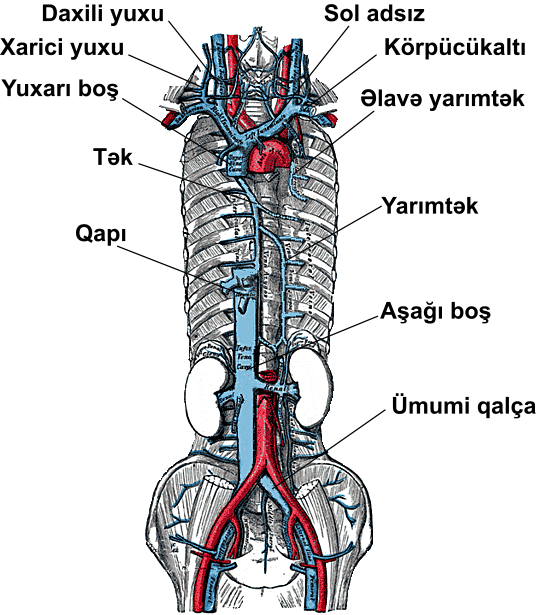
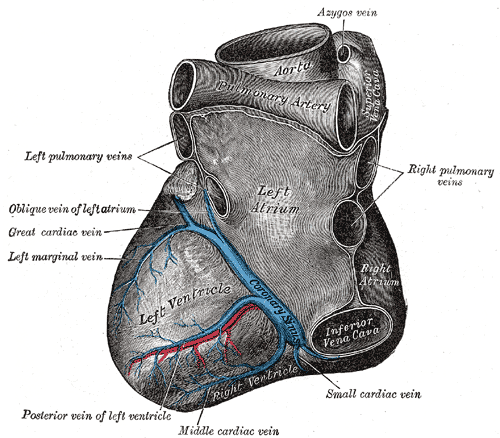
Wikimedia Commons illustration
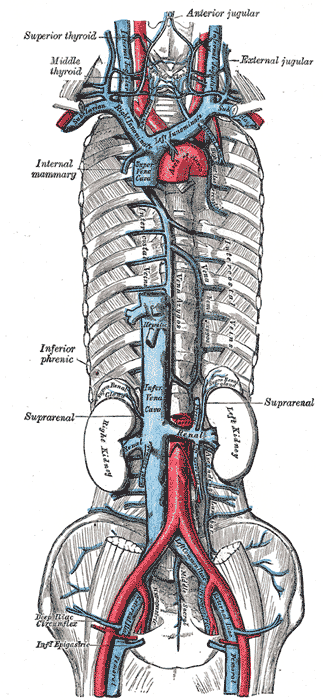
Veins are the low-pressure return vessels carrying blood back to the heart. Their walls are thinner than arteries', their channels wider, and most limb veins contain one-way valves that stop blood falling back under gravity. Blood is propelled by surrounding muscles squeezing the veins (the muscle pump) and by breathing movements. About two-thirds of the blood volume sits in the venous system at any moment — a reservoir the body can draw on.
Key facts
- The calf muscle pump is called the second heart for its role in returning blood from the legs.
- Vein valves are most numerous below the knee, where the gravitational column is tallest.
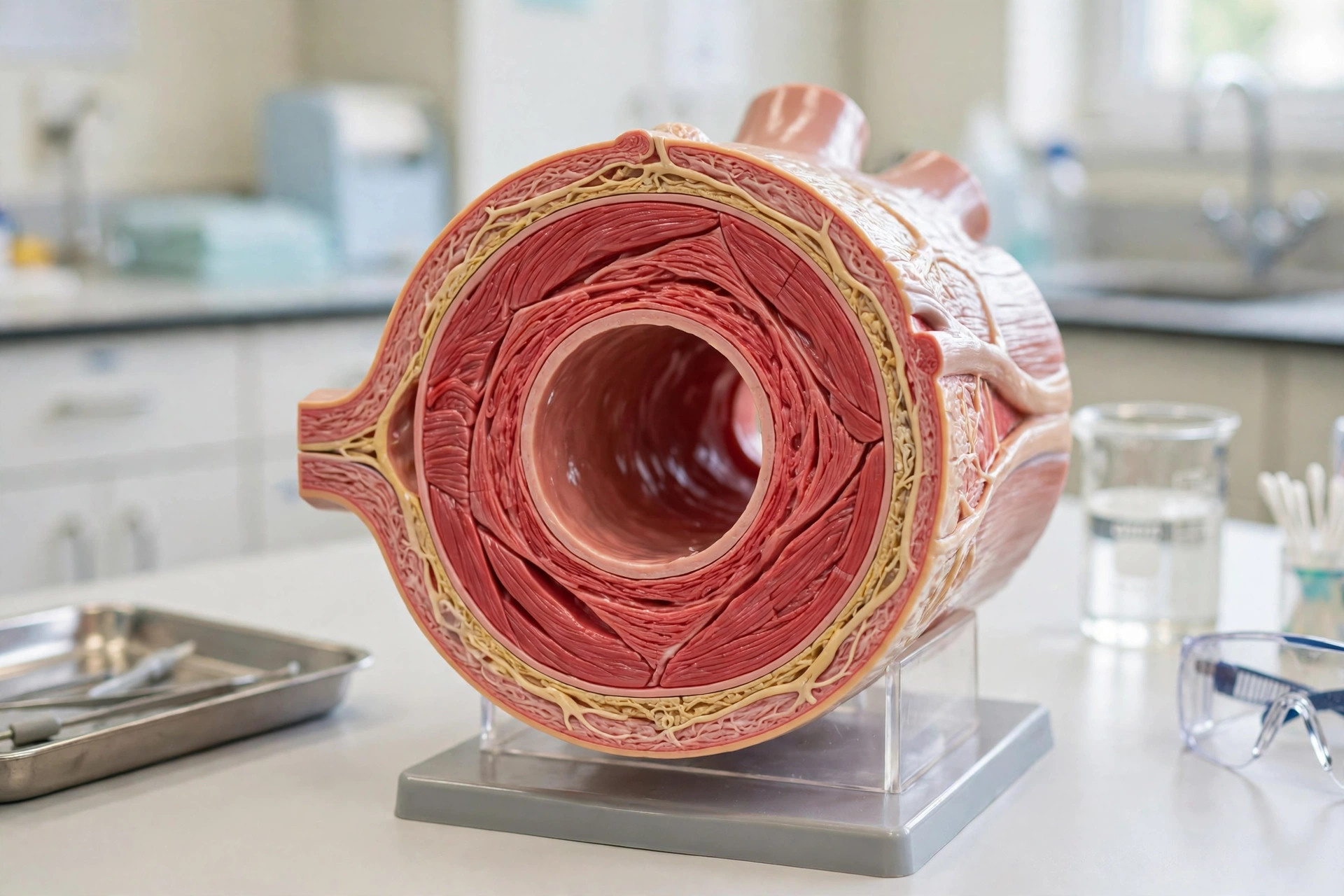
- The large veins have their own small blood vessels, like arteries do.
- Superficial veins lie in the fat under the skin; deep veins run with the arteries and do the heavy lifting.
What can go wrong
Faulty valves and weak walls produce varicose veins — visible, twisted surface veins with aching and swelling — and, over time, skin changes and ulcers near the ankle. A clot in a deep vein (deep vein thrombosis) causes one-sided leg swelling and pain and can travel to the lungs (pulmonary embolism). Inflammation of a surface vein (thrombophlebitis) is painful but usually less dangerous. Assessment often uses ultrasound scanning.
Related procedures & tests
Related symptoms
Frequently asked questions
Why do varicose veins appear mostly in the legs?
Gravity: standing creates the highest pressures in the leg veins, so valve failure and wall stretching show there first, especially with family tendency, pregnancy or standing work.
What is the difference between superficial and deep vein clots?
Deep vein thrombosis (DVT) affects the main return channels and can embolise to the lungs; superficial clots cause local pain and redness and are managed differently, though the two can coexist.
Educational information only. This atlas explains normal anatomy and describes conditions in general terms; it is not medical advice and does not replace assessment by a qualified clinician. If you have symptoms that worry you, seek medical care.