
- Physical Examination
- Surgical Examination
- Ophthalmology
- Clinical Skills
- Orthopedics
- Surgery Videos
- Laparoscopy
- Pediatrics
- Funny Videos
- Cardiothoracic Surgery
- Nursing Videos
- Plastic Surgery
- Otorhinolaryngology
- Histology and Histopathology
- Neurosurgery
- Dermatology
- Pediatric Surgery
- Urology
- Dentistry
- Oncology and Cancers
- Anatomy Videos
- Health and Fitness
- Radiology
- Anaesthesia
- Physical Therapy
- Pharmacology
- Interventional Radiology
- Cardiology
- Endocrinology
- Gynecology
- Emergency Medicine
- Psychiatry and Psychology
- Childbirth Videos
- General Medical Videos
- Nephrology
- Physiology
- Diet and Food Health
- Diabetes Mellitus
- Neurology
- Women Health
- Osteoporosis
- Gastroenterology
- Pulmonology
- Hematology
- Rheumatology
- Toxicology
- Nuclear Medicine
- Infectious Diseases
- Vascular Disease
- Reproductive Health
- Burns and Wound Healing
- Kidney Zone Podcast
- Other
Rotator Cuff Tear
A rotator cuff tear is damage to the group of muscles and tendons that hold the shoulder joint in place and lift the arm. This page explains its symptoms, causes, diagnosis, and treatment in plain language, with videos to help you follow the key points.
✓ Medically reviewed by Dr. Mohamed Ibrahim, MD, PhD — physician-scientist · Last reviewed: November 2026
In short: The rotator cuff centers the ball of the shoulder joint and powers lifting and rotating the arm. Tears range from fraying to complete detachment, caused by injury or gradual wear, and treatment runs from physiotherapy to surgical repair.
Watch: Rotator Cuff Tear videos

Read: the plain-language guide
Overview
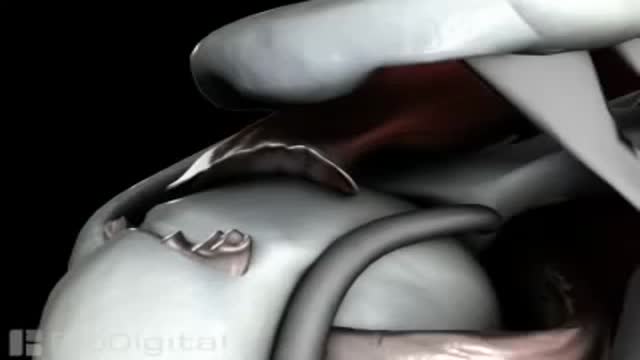
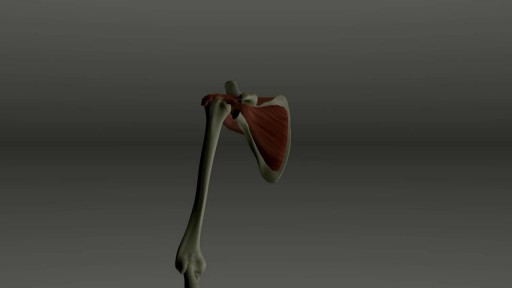
The rotator cuff is made of four muscles whose tendons wrap around the ball of the shoulder joint like a cuff. Working together they keep the ball centered and let you lift and rotate the arm. A tear can be partial, affecting part of a tendon's thickness, or full-thickness, where the tendon comes away from the bone. Small tears may cause no symptoms at all and are common findings on scans of older shoulders.
Symptoms
Pain is typically felt over the outer side of the shoulder and upper arm, and is often worse at night, disturbing sleep when lying on that side. Lifting the arm overhead or reaching behind the back can become painful or weak. After an injury-related tear, weakness can be immediate and marked — some people cannot lift the arm at all. Gradual tears tend to produce a dull ache that creeps on over months.
Causes & risk factors
Tears have two main routes: injury and wear. A fall onto the arm, a sudden heavy lift, or a shoulder dislocation can tear a healthy tendon outright. More often, the tendon frays over years as its blood supply thins with age and it rubs under the bony arch above it during overhead activity. Jobs and sports with repeated overhead work — painting, swimming, tennis, weightlifting — load the cuff heavily. Smoking and conditions such as diabetes are linked with poorer tendon health and healing.
How it's diagnosed
The clinician will test which movements hurt and which are weak, comparing both shoulders, and check the neck, since neck problems can mimic shoulder pain. Ultrasound and MRI scans show the tendons directly and reveal the size and position of a tear, which guides treatment choices. X-rays do not show tendons but reveal arthritis and bone spurs that may contribute. Because painless tears are common, scan findings are always weighed against your symptoms and examination before decisions are made.
Treatment overview
Many tears are managed without surgery: rest from aggravating activities, ice, and pain relief settle symptoms while physiotherapy rebuilds strength in the remaining cuff and the shoulder blade muscles. Injections are sometimes used to calm pain so exercises can progress. Surgery reattaches the tendon to the bone, usually by keyhole technique, and your surgeon may recommend it for tears caused by injury in active people, or when good rehabilitation has not restored function. Recovery after repair involves a sling and months of graduated physiotherapy.
When to seek care
Sudden shoulder weakness after a fall or injury — especially being unable to lift the arm — needs prompt assessment, because early repair gives the best result for injury tears. A hot, swollen shoulder with fever, or shoulder pain with chest pain or breathlessness, needs urgent care for other causes.
Frequently asked questions
Can a rotator cuff tear heal without surgery?
Partial tears and many wear-related tears become pain-free with physiotherapy, even though the tendon may not reattach by itself — the remaining muscles compensate. Full tears from injury in active people are more likely to need surgical repair, and delay can let the tendon shrink back, so prompt specialist advice matters.
How long does recovery take after rotator cuff repair?
Recovery is gradual: the arm rests in a sling for the first weeks while the tendon heals to bone, followed by months of staged physiotherapy. Light daily activities return earlier, but full strength after a large repair can take the better part of a year.
What happens if a rotator cuff tear is left untreated?
Some untreated tears stay comfortable and cause little trouble, while others gradually enlarge, with increasing weakness and, over years, a form of arthritis in the joint. Regular review is sensible so changes can trigger a fresh treatment discussion.
Is shoulder pain at night a sign of a rotator cuff tear?
Night pain, especially when lying on the affected side, is a classic feature of rotator cuff problems, though other shoulder conditions cause it too. Persistent night pain with weakness lifting the arm is a good reason to have the shoulder examined.
More in Bones/Joints/Muscles
Related topics on MedicalVideos.com
Sources & further reading
Authoritative references for readers who want to go deeper:
This page is for general education only and is not medical advice. New inability to lift the arm after an injury should be assessed within days, not months, because early repair of a fresh rotator cuff tear gives the best outcome.