
- Physical Examination
- Surgical Examination
- Ophthalmology
- Clinical Skills
- Orthopedics
- Surgery Videos
- Laparoscopy
- Pediatrics
- Funny Videos
- Cardiothoracic Surgery
- Nursing Videos
- Plastic Surgery
- Otorhinolaryngology
- Histology and Histopathology
- Neurosurgery
- Dermatology
- Pediatric Surgery
- Urology
- Dentistry
- Oncology and Cancers
- Anatomy Videos
- Health and Fitness
- Radiology
- Anaesthesia
- Physical Therapy
- Pharmacology
- Interventional Radiology
- Cardiology
- Endocrinology
- Gynecology
- Emergency Medicine
- Psychiatry and Psychology
- Childbirth Videos
- General Medical Videos
- Nephrology
- Physiology
- Diet and Food Health
- Diabetes Mellitus
- Neurology
- Women Health
- Osteoporosis
- Gastroenterology
- Pulmonology
- Hematology
- Rheumatology
- Toxicology
- Nuclear Medicine
- Infectious Diseases
- Vascular Disease
- Reproductive Health
- Burns and Wound Healing
- Kidney Zone Podcast
- Other
Ectopic Pregnancy
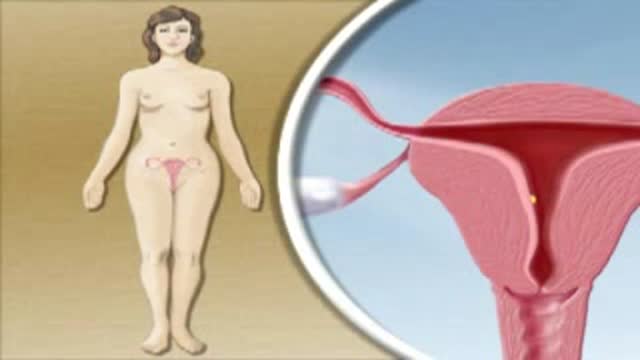
An ectopic pregnancy is a pregnancy that implants outside the womb, most often in a fallopian tube, where it cannot develop normally. This page explains its symptoms, causes, and treatment in plain language, with videos to help you follow the key points.
✓ Medically reviewed by Dr. Mohamed Ibrahim, MD, PhD — physician-scientist · Last reviewed: November 2026
In short: An ectopic pregnancy cannot continue, and it can become dangerous quickly if the tube ruptures and causes internal bleeding. Warning signs in early pregnancy include one-sided lower abdominal pain, vaginal bleeding, and shoulder-tip pain. A suspected ectopic pregnancy always needs emergency care the same day.
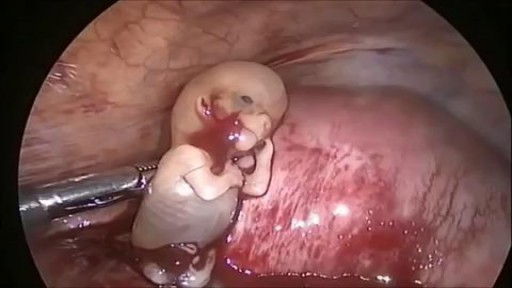
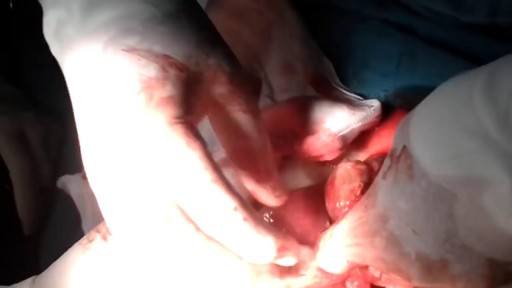
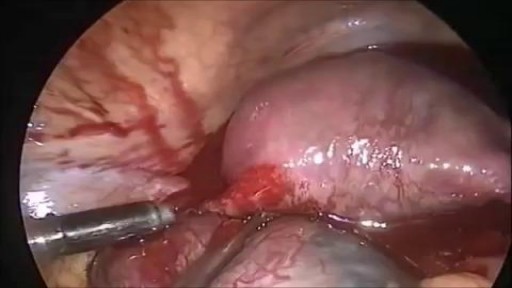
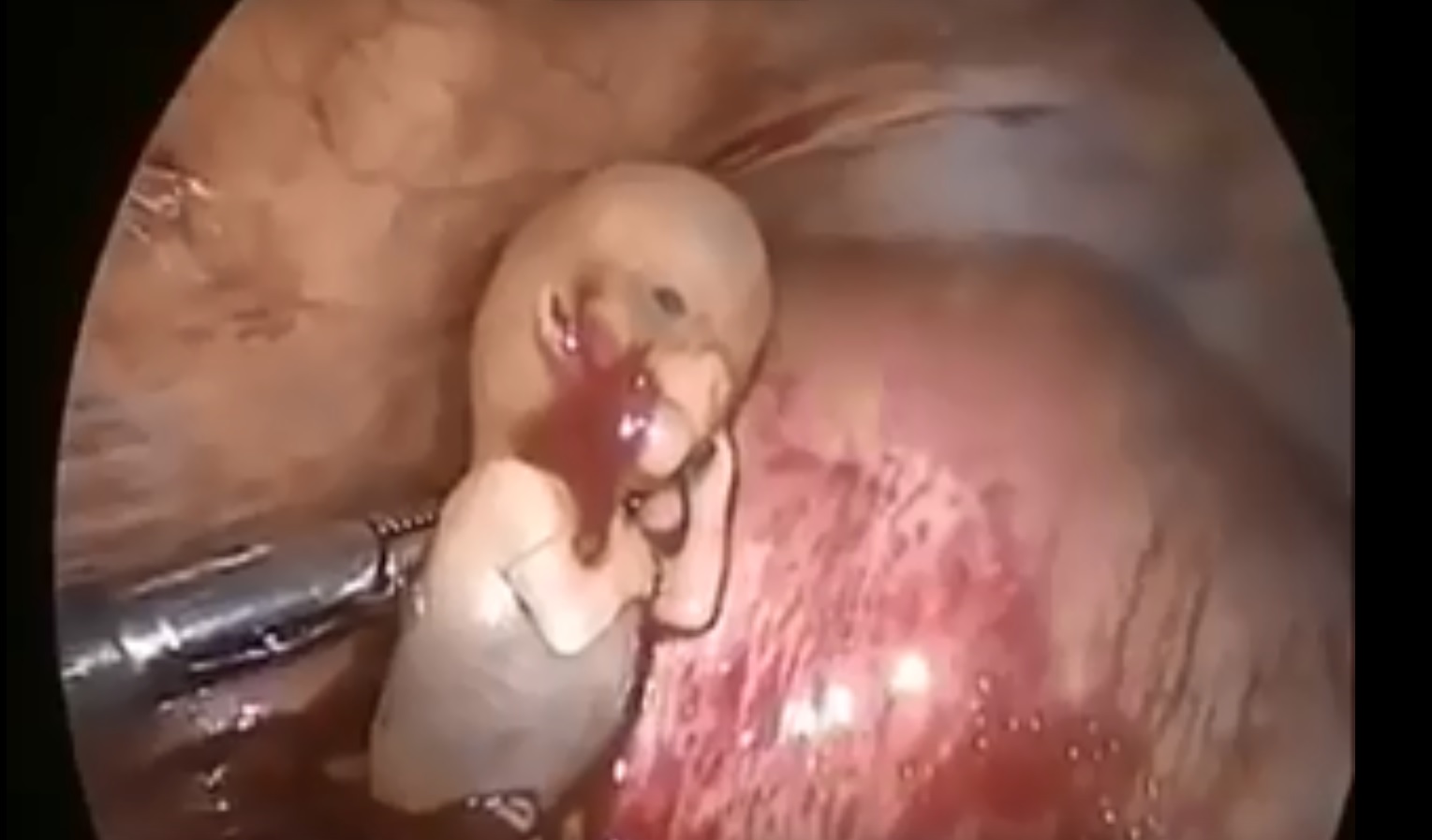
Watch: Ectopic Pregnancy videos
Read: the plain-language guide
Overview
In a normal pregnancy the fertilised egg travels down the fallopian tube and implants in the womb. In an ectopic pregnancy the egg implants elsewhere, usually in the tube itself, and rarely in the ovary, cervix, or abdomen. The pregnancy cannot survive outside the womb, and as it grows it can stretch and rupture the tube, causing serious internal bleeding. Early assessment in an early-pregnancy unit gives the best chance of treating it before rupture happens.
Symptoms
Early signs can resemble a normal pregnancy, with a missed period and a positive pregnancy test. Warning symptoms include pain low down on one side of the abdomen, vaginal bleeding or spotting that differs from a normal period, pain in the tip of the shoulder, and discomfort when passing urine or opening the bowels. Dizziness, fainting, paleness, or collapse can mean the tube has ruptured and there is internal bleeding, which is life-threatening.
Causes & risk factors
An ectopic pregnancy happens when the egg's journey to the womb is slowed or blocked, usually because the tube is damaged or scarred. Previous pelvic infection, a previous ectopic pregnancy, earlier tubal surgery, and endometriosis can all damage the tubes. Becoming pregnant with a coil in place, or after tubal sterilisation, is uncommon, but if it happens the pregnancy is more likely to be ectopic. Smoking and fertility treatment are also linked with higher risk. Often no single cause is ever found.
How it's diagnosed
Diagnosis combines a pregnancy test with an ultrasound scan, usually through the vagina, which looks for a pregnancy inside the womb. Blood tests measuring the pregnancy hormone hCG are often repeated over a couple of days to see how the level is changing. If no pregnancy can be located, the situation is monitored closely as a pregnancy of unknown location until scans or blood tests clarify it. Occasionally a keyhole operation is needed to look inside and confirm the diagnosis.
Treatment overview
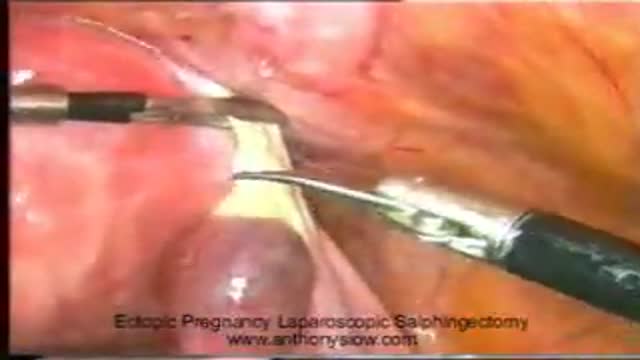
An ectopic pregnancy cannot be moved to the womb or saved, so treatment focuses on ending the pregnancy safely to protect the mother's health. Depending on the size, hormone levels, and symptoms, options are careful monitoring in selected early cases, an injection of a medicine that stops the pregnancy tissue growing, or keyhole surgery to remove the pregnancy, sometimes together with the affected tube. Rupture with internal bleeding is treated with emergency surgery and blood transfusion. Follow-up blood tests confirm the pregnancy hormone has returned to negative.
When to seek care
A suspected ectopic pregnancy needs emergency care the same day — do not wait for a routine appointment. Go to the emergency department or call emergency services now if you are pregnant, or could be, and you have severe or one-sided abdominal pain, shoulder-tip pain, heavy vaginal bleeding, dizziness, or fainting. These can be signs of internal bleeding.
Frequently asked questions
Can an ectopic pregnancy be moved into the womb?
No. An ectopic pregnancy cannot be relocated and cannot develop into a baby, wherever it has implanted. Treatment ends the pregnancy to protect the mother's health, and earlier treatment usually means simpler and safer options.
Will I be able to get pregnant again after an ectopic pregnancy?
Many women do conceive again afterwards, including women who have lost one tube, because the remaining tube can collect an egg from either ovary. Your doctor will advise when it is safe to try again, and an early scan is arranged in future pregnancies to check the pregnancy is in the womb.
Why did my ectopic pregnancy happen?
Often no clear cause is found, and it is not caused by anything you did or did not do. Damage or scarring of the fallopian tube from previous infection, surgery, or a previous ectopic pregnancy is the commonest underlying factor.
What follow-up will I need after treatment?
You will usually have repeat blood tests until the pregnancy hormone level returns to negative, confirming the treatment has worked. You should also be offered emotional support, and early scanning in any future pregnancy.
More in Women's Health
Related topics on MedicalVideos.com
Sources & further reading
Authoritative references for readers who want to go deeper:
This page is for general education only and is not medical advice. Shoulder-tip pain, faintness, or severe one-sided abdominal pain in early pregnancy can mean internal bleeding from an ectopic pregnancy and needs emergency help immediately.