
- Physical Examination
- Surgical Examination
- Ophthalmology
- Clinical Skills
- Orthopedics
- Surgery Videos
- Laparoscopy
- Pediatrics
- Funny Videos
- Cardiothoracic Surgery
- Nursing Videos
- Plastic Surgery
- Otorhinolaryngology
- Histology and Histopathology
- Neurosurgery
- Dermatology
- Pediatric Surgery
- Urology
- Dentistry
- Oncology and Cancers
- Anatomy Videos
- Health and Fitness
- Radiology
- Anaesthesia
- Physical Therapy
- Pharmacology
- Interventional Radiology
- Cardiology
- Endocrinology
- Gynecology
- Emergency Medicine
- Psychiatry and Psychology
- Childbirth Videos
- General Medical Videos
- Nephrology
- Physiology
- Diet and Food Health
- Diabetes Mellitus
- Neurology
- Women Health
- Osteoporosis
- Gastroenterology
- Pulmonology
- Hematology
- Rheumatology
- Toxicology
- Nuclear Medicine
- Infectious Diseases
- Vascular Disease
- Reproductive Health
- Burns and Wound Healing
- Kidney Zone Podcast
- Other
Preeclampsia
Preeclampsia is a pregnancy condition in which high blood pressure develops together with signs that organs such as the kidneys and liver are under strain. This page explains its symptoms, causes, and treatment in plain language, with videos to help you follow the key points.
✓ Medically reviewed by Dr. Mohamed Ibrahim, MD, PhD — physician-scientist · Last reviewed: November 2026
In short: Preeclampsia usually arises after the middle of pregnancy and can affect both mother and baby if it worsens. It is usually picked up through blood-pressure checks and urine and blood tests at antenatal visits. The only cure is delivering the baby and placenta, so care focuses on close monitoring and timing delivery safely.
Watch: Preeclampsia videos
Read: the plain-language guide
Overview
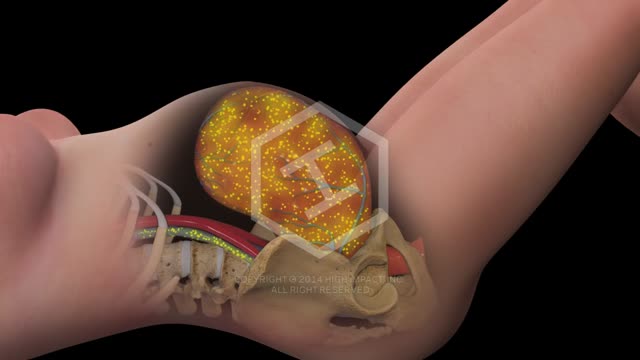
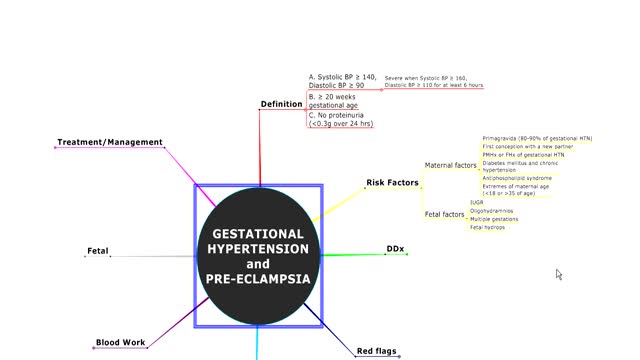
Preeclampsia is thought to begin with how the placenta attaches and its blood vessels develop in early pregnancy. It is diagnosed when blood pressure rises after 20 weeks together with protein in the urine or signs that the kidneys, liver, blood, or brain are affected. It ranges from mild, needing only close watching, to severe disease that can progress quickly. Rarely it leads to seizures, called eclampsia. It can also appear in the days after birth, so monitoring continues after delivery.
Symptoms
Early preeclampsia often causes no symptoms at all, which is why routine checks matter. Warning symptoms include a severe headache that does not ease, changes in vision such as blurring or flashing lights, pain high in the abdomen just under the ribs, sudden swelling of the face and hands, nausea or vomiting in later pregnancy, and breathlessness. Reduced movements of the baby can be a sign the placenta is struggling and also needs same-day assessment.
Causes & risk factors
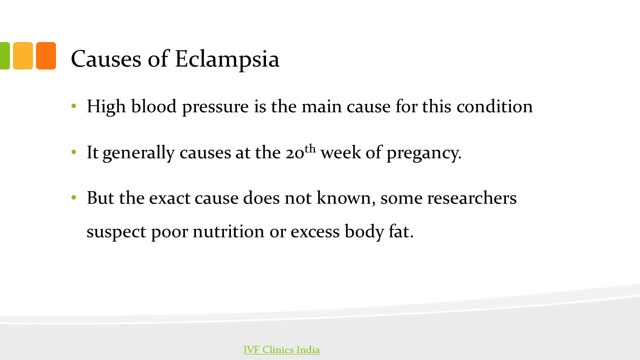
The exact cause is not fully understood, but it involves the placenta and its blood supply, together with how the mother's circulation responds. Risk is higher in a first pregnancy, if you had preeclampsia before, if it runs in your family, and with long-standing high blood pressure, kidney disease, or diabetes. Carrying twins, being an older mother, and having a higher body weight also raise the chance. It is not caused by anything you ate or did during pregnancy.
How it's diagnosed
Diagnosis rests on repeated blood-pressure measurements, urine testing for protein, and blood tests that check the liver, kidneys, and platelets. Because the condition can change quickly, these tests may be repeated frequently once it is suspected. The baby is monitored with growth scans and heart-rate tracing to check the placenta is supporting growth. Antenatal appointments are where most cases are first spotted, so keeping them matters even when you feel well.
Treatment overview
There is no medicine that cures preeclampsia; delivery of the baby and placenta is the definitive treatment, and the art of care is judging when delivery is safer than continuing the pregnancy. Until then, treatment means close monitoring, medicines to control blood pressure, and, in severe cases, medicines to reduce the risk of seizures. If your risk of developing preeclampsia is high, your doctor may advise preventive treatment from early pregnancy. After birth, blood pressure is watched until it settles, which can take some weeks.
When to seek care
Contact your maternity unit the same day if you develop a severe headache, blurred vision or flashing lights, pain under your ribs, sudden swelling of your face or hands, or if your baby is moving less than usual. Call emergency services for a seizure, chest pain, or severe breathlessness.
Frequently asked questions
Can preeclampsia harm my baby?
It can, because a poorly working placenta may slow the baby's growth and reduce the fluid around the baby. This is why growth scans and monitoring are arranged, and why early delivery is sometimes advised: the risks of staying in the womb come to outweigh the risks of being born early.
Will my blood pressure return to normal after the birth?
Usually, yes. Blood pressure typically settles over the days and weeks after delivery, though it can rise first, so checks continue after you go home. Having had preeclampsia is linked with a higher chance of high blood pressure and heart disease later in life, so long-term follow-up is worthwhile.
Can preeclampsia be prevented?
There is no guaranteed way to prevent it. Attending all antenatal appointments is the most important protection, because early detection changes outcomes. If your risk is high, your doctor may advise preventive treatment during pregnancy and will arrange extra monitoring.
What is eclampsia?
Eclampsia is a seizure in pregnancy or shortly after birth caused by preeclampsia affecting the brain. It is uncommon because monitoring and treatment usually intervene first, but it is an emergency when it happens and is treated in hospital.
More in Women's Health
Related topics on MedicalVideos.com
Sources & further reading
Authoritative references for readers who want to go deeper:
This page is for general education only and is not medical advice. A severe headache, blurred vision, or pain under the ribs in the second half of pregnancy should never be waited out — contact your maternity unit the same day.