
- Physical Examination
- Surgical Examination
- Ophthalmology
- Clinical Skills
- Orthopedics
- Surgery Videos
- Laparoscopy
- Pediatrics
- Funny Videos
- Cardiothoracic Surgery
- Nursing Videos
- Plastic Surgery
- Otorhinolaryngology
- Histology and Histopathology
- Neurosurgery
- Dermatology
- Pediatric Surgery
- Urology
- Dentistry
- Oncology and Cancers
- Anatomy Videos
- Health and Fitness
- Radiology
- Anaesthesia
- Physical Therapy
- Pharmacology
- Interventional Radiology
- Cardiology
- Endocrinology
- Gynecology
- Emergency Medicine
- Psychiatry and Psychology
- Childbirth Videos
- General Medical Videos
- Nephrology
- Physiology
- Diet and Food Health
- Diabetes Mellitus
- Neurology
- Women Health
- Osteoporosis
- Gastroenterology
- Pulmonology
- Hematology
- Rheumatology
- Toxicology
- Nuclear Medicine
- Infectious Diseases
- Vascular Disease
- Reproductive Health
- Burns and Wound Healing
- Kidney Zone Podcast
- Other
Hiatal Hernia
A hiatal hernia is a condition in which part of the stomach pushes upward through the diaphragm, the muscle separating the chest from the abdomen. This page explains its symptoms, causes, and treatment in plain language, with videos covering the key points.
✓ Medically reviewed by Dr. Mohamed Ibrahim, MD, PhD — physician-scientist · Last reviewed: November 2026
In short: Most hiatal hernias are small and cause no symptoms. Larger ones can allow stomach acid to wash back into the gullet, causing heartburn and reflux. Treatment usually means lifestyle changes and acid-reducing medicine; surgery is reserved for selected cases.
Watch: Hiatal Hernia videos
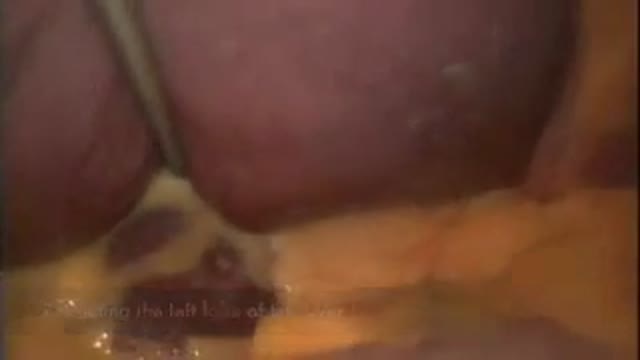 Nissen Fundoplication in an Obese patient with Hiatal Hernia and GERD
15,371 views
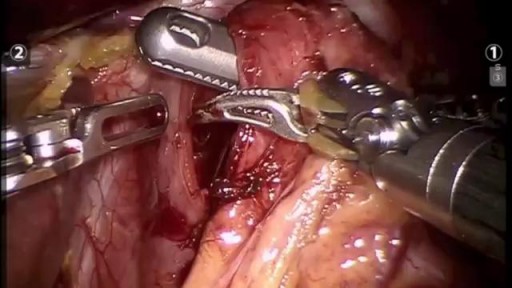 Robotic Hiatus Hernia Surgery
12,649 views
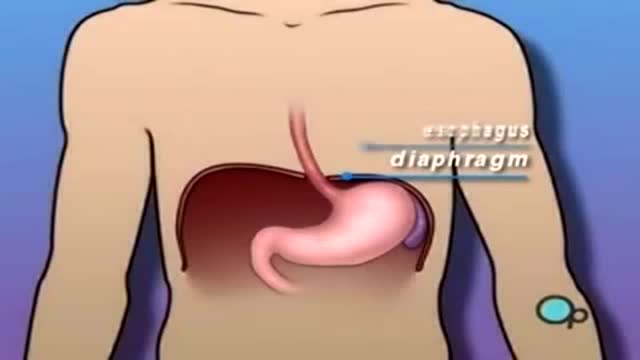 Hiatal Hernia
10,081 views
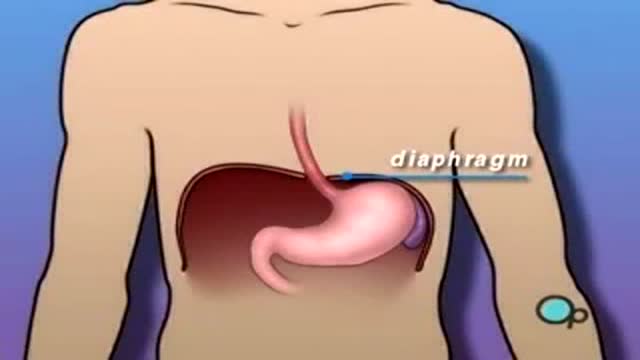 Hiatal Hernia 3D Medical Animation
8,861 views
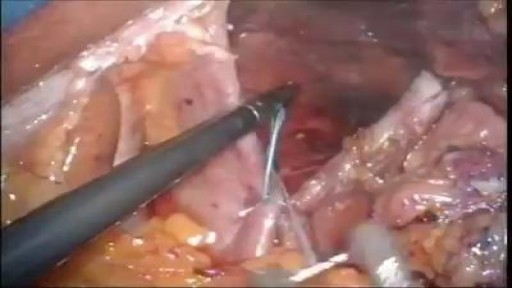 Large hiatal hernia Laparoscopic repair
3,095 views
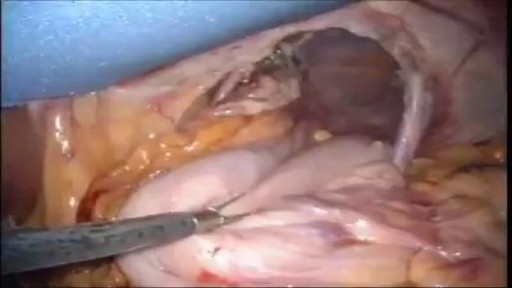 Laparoscopic repair of large hiatal hernia
2,286 views
Read: the plain-language guide
Overview
The diaphragm has a small opening, called the hiatus, through which the food pipe passes to join the stomach. In a hiatal hernia, part of the stomach slides or bulges up through this opening into the chest. The common sliding type moves up and down, while the rarer paraesophageal type sits beside the food pipe and can, uncommonly, become trapped. A hernia can weaken the valve between the gullet and stomach, making acid reflux more likely and harder to control.
Symptoms
Many hiatal hernias cause no symptoms at all and are found during scans or endoscopy for other reasons. When symptoms occur, they are usually those of reflux: heartburn, a sour taste, regurgitation of food or fluid, and discomfort that worsens when lying flat or bending. Some people notice difficulty swallowing, a feeling of food sticking, chest discomfort, or persistent burping. Large hernias can cause breathlessness after meals or anaemia from slow bleeding where the stomach is pinched.
Causes & risk factors
Hiatal hernias develop when the tissue supporting the hiatus weakens and the opening stretches. Ageing is the main factor, as tissues lose strength over time. Anything that repeatedly raises pressure in the abdomen adds strain, including carrying extra weight, chronic coughing, straining with constipation, heavy lifting, and pregnancy. Some people are born with a larger opening in the diaphragm. Injury or previous surgery in the area can occasionally contribute to a hernia forming.
How it's diagnosed
A hiatal hernia may be seen during an endoscopy, where a camera on a flexible tube examines the gullet and stomach. A barium swallow X-ray, in which the person drinks a contrast liquid, outlines the stomach's position clearly. Scans may show larger hernias. If reflux symptoms are the main issue, tests measuring acid in the gullet can help link symptoms to reflux. Clinicians also check for complications of reflux, such as inflammation or narrowing of the gullet.
Treatment overview
Small hernias without symptoms need no treatment. When reflux is the problem, lifestyle steps help: losing weight if needed, smaller evening meals, not lying down soon after eating, and raising the head of the bed. Acid-reducing medicines control heartburn and allow inflammation to heal. Surgery to return the stomach to the abdomen and repair the opening is considered for large hernias, hernias at risk of twisting, or reflux that medicines cannot control. The decision balances symptoms against surgical risks.
When to seek care
Seek urgent care for vomiting blood, black stools, food repeatedly sticking when swallowing, or chest pain. Sudden severe chest or upper abdominal pain with a known large hernia needs emergency assessment, as does pain that spreads to the back or comes with sweating, breathlessness, or feeling faint.
Frequently asked questions
Does a hiatal hernia always cause heartburn?
No. Many hiatal hernias cause no symptoms whatsoever and are found by chance. Heartburn happens when the hernia interferes with the valve that keeps acid in the stomach. Even then, acid-reducing treatment usually controls symptoms well without any procedure.
Can a hiatal hernia heal on its own?
A hiatal hernia does not usually close by itself, because it reflects stretched tissue around the diaphragm opening. The good news is that most need no repair: managing reflux and weight often keeps people comfortable, and surgery is kept for selected cases.
What is the difference between a hiatal hernia and other hernias?
Most hernias, such as groin hernias, push through the abdominal wall and can be felt as a lump. A hiatal hernia is internal, occurring where the stomach passes through the diaphragm, so it cannot be felt and is found by endoscopy or imaging.
When is surgery needed for a hiatal hernia?
Surgery is considered when a hernia is large, causes anaemia or swallowing problems, risks twisting, or when reflux remains troublesome despite good medical treatment. Many people never need an operation, so the decision is made individually with a specialist.
More in Digestive
Related topics on MedicalVideos.com
Sources & further reading
Authoritative references for readers who want to go deeper:
- MedlinePlus: Hiatal Hernia
- NHS: Hiatus hernia
- MedlinePlus Encyclopedia: Hiatal hernia (MedlinePlus)
This page is for general education only and is not medical advice. Chest pain in someone with a hiatal hernia should never be assumed to be reflux until a clinician has ruled out a heart cause.