
- Physical Examination
- Surgical Examination
- Ophthalmology
- Clinical Skills
- Orthopedics
- Surgery Videos
- Laparoscopy
- Pediatrics
- Funny Videos
- Cardiothoracic Surgery
- Nursing Videos
- Plastic Surgery
- Otorhinolaryngology
- Histology and Histopathology
- Neurosurgery
- Dermatology
- Pediatric Surgery
- Urology
- Dentistry
- Oncology and Cancers
- Anatomy Videos
- Health and Fitness
- Radiology
- Anaesthesia
- Physical Therapy
- Pharmacology
- Interventional Radiology
- Cardiology
- Endocrinology
- Gynecology
- Emergency Medicine
- Psychiatry and Psychology
- Childbirth Videos
- General Medical Videos
- Nephrology
- Physiology
- Diet and Food Health
- Diabetes Mellitus
- Neurology
- Women Health
- Osteoporosis
- Gastroenterology
- Pulmonology
- Hematology
- Rheumatology
- Toxicology
- Nuclear Medicine
- Infectious Diseases
- Vascular Disease
- Reproductive Health
- Burns and Wound Healing
- Kidney Zone Podcast
- Other
Stomach Cancer
Stomach cancer is a cancer that starts in the lining of the stomach, most often in the gland-forming cells that produce mucus and digestive juices. This page explains its symptoms, causes, and treatment in plain language, with videos to help you follow the key points.
✓ Medically reviewed by Dr. Mohamed Ibrahim, MD, PhD — physician-scientist · Last reviewed: November 2026
In short: Stomach cancer may cause indigestion that will not settle, feeling full after small meals, weight loss, or vomiting, though early disease often has no clear symptoms. It is diagnosed with a camera test and tissue samples. Surgery is the main treatment, often combined with chemotherapy.
Watch: Stomach Cancer videos

Read: the plain-language guide
Overview
Most stomach cancers are adenocarcinomas that arise in the gland cells of the stomach lining, usually after years of chronic inflammation that gradually changes the lining. Because early symptoms mimic ordinary indigestion, the disease is often diagnosed at a later stage than cancers with more distinctive warning signs. Tumors can grow through the stomach wall and spread to nearby lymph nodes, the liver, and the lining of the abdomen. Care is provided by specialist upper gastrointestinal teams.
Symptoms
Early stomach cancer frequently causes no symptoms, or only vague indigestion. Features that deserve assessment include heartburn or indigestion that persists despite usual treatment, feeling full very quickly when eating, loss of appetite, and unexplained weight loss. Nausea, vomiting, and upper abdominal pain or discomfort can occur. Tumors near the top of the stomach may cause difficulty swallowing. Slow bleeding from the tumor can cause anemia, with tiredness and pallor, and occasionally black, tarry stools.
Causes & risk factors
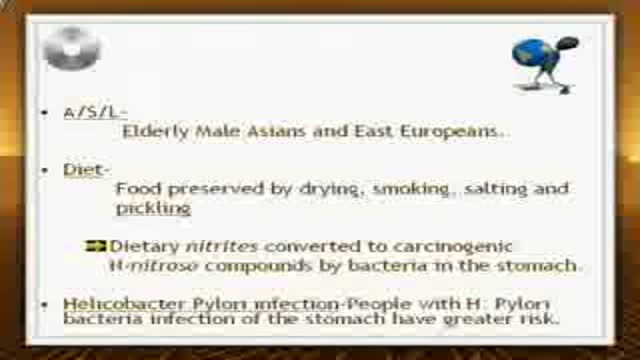
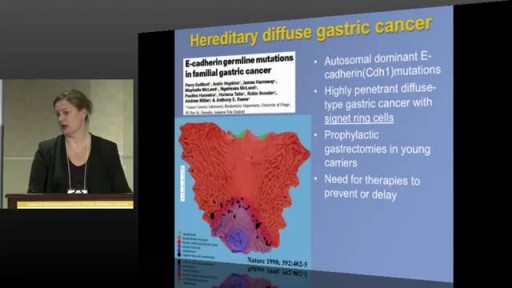
Long-term infection with Helicobacter pylori, a common stomach bacterium, is a major factor: it drives chronic inflammation of the lining, which over decades can progress through precancerous changes. Smoking increases risk, as do diets high in salted and smoked foods, heavy alcohol use, and excess body weight for cancers near the top of the stomach. Pernicious anemia and previous partial stomach surgery slightly raise risk. A small proportion run in families, including a rare inherited syndrome affecting the stomach lining.
How it's diagnosed
The key test is gastroscopy, in which a thin camera passed through the mouth examines the stomach lining directly and takes tissue samples from any abnormal area. The biopsy confirms the diagnosis and type. CT scans of the chest, abdomen, and pelvis then assess how far the cancer has spread. In some cases an endoscopic ultrasound, or a keyhole inspection of the abdomen (laparoscopy), refines staging before major surgery. Blood tests check for anemia and general fitness.
Treatment overview
Treatment depends on the stage and the person's fitness, and is planned by a specialist team. For cancer confined to the stomach and nearby nodes, surgery to remove part or all of the stomach is the main treatment, usually combined with chemotherapy given before and after the operation. Very early, small cancers can occasionally be removed through the endoscope alone. For cancer that has spread, chemotherapy is the backbone, and targeted medicines or immunotherapy help in certain tumor types. Nutritional support is an important part of care, since eating changes after stomach surgery and weight loss is common.
When to seek care
Seek urgent assessment for difficulty swallowing, persistent vomiting, vomiting blood or material like coffee grounds, or black, tarry stools. Arrange prompt review for indigestion that persists beyond a few weeks despite treatment, unexplained weight loss, or new persistent upper abdominal discomfort, especially in older adults.
Frequently asked questions
How is stomach cancer different from ordinary indigestion?
Often it is not different at first, which is the problem. Indigestion that is new, persists beyond a few weeks despite treatment, or comes with weight loss, swallowing difficulty, vomiting, or anemia should be investigated with a camera test rather than treated indefinitely.
What is Helicobacter pylori, and why does it matter?
It is a very common bacterium that lives in the stomach lining and causes long-term inflammation and most stomach ulcers. Over many years that inflammation can lead to precancerous changes. It can be detected by stool, breath, or biopsy tests and eradicated with a course of treatment.
Will I need my whole stomach removed?
Not always. The operation depends on where the tumor sits and how far it extends: tumors in the lower stomach may need only partial removal, while others require total removal with the food pipe joined to the intestine. Your surgical team will explain the plan and its eating implications.
Can stomach cancer be prevented?
Not entirely, but risk can be lowered: treating Helicobacter pylori infection, not smoking, and eating fewer heavily salted and smoked foods all help.
More in Cancer
Related topics on MedicalVideos.com
Sources & further reading
Authoritative references for readers who want to go deeper:
This page is for general education only and is not medical advice. Difficulty swallowing or vomiting blood should never be put down to indigestion — both need urgent assessment.