
- Physical Examination
- Surgical Examination
- Ophthalmology
- Clinical Skills
- Orthopedics
- Surgery Videos
- Laparoscopy
- Pediatrics
- Funny Videos
- Cardiothoracic Surgery
- Nursing Videos
- Plastic Surgery
- Otorhinolaryngology
- Histology and Histopathology
- Neurosurgery
- Dermatology
- Pediatric Surgery
- Urology
- Dentistry
- Oncology and Cancers
- Anatomy Videos
- Health and Fitness
- Radiology
- Anaesthesia
- Physical Therapy
- Pharmacology
- Interventional Radiology
- Cardiology
- Endocrinology
- Gynecology
- Emergency Medicine
- Psychiatry and Psychology
- Childbirth Videos
- General Medical Videos
- Nephrology
- Physiology
- Diet and Food Health
- Diabetes Mellitus
- Neurology
- Women Health
- Osteoporosis
- Gastroenterology
- Pulmonology
- Hematology
- Rheumatology
- Toxicology
- Nuclear Medicine
- Infectious Diseases
- Vascular Disease
- Reproductive Health
- Burns and Wound Healing
- Kidney Zone Podcast
- Other
Gynecology & Obstetrics Videos & Guides
Gynecology and obstetrics is the specialty of the female reproductive system, pregnancy and childbirth — from period problems and fibroids to labour, delivery and menopause. This page gathers MedicalVideos.com's gynecology and obstetrics library in one place: the most-watched videos from the Gynecology and Childbirth Videos categories (602 videos as of November 2026), the condition guides that belong to this specialty, and links to the pregnancy and screening sections.
✓ Medically reviewed by Dr. Mohamed Ibrahim, MD, PhD — physician-scientist · Last reviewed: November 2026
Top videos
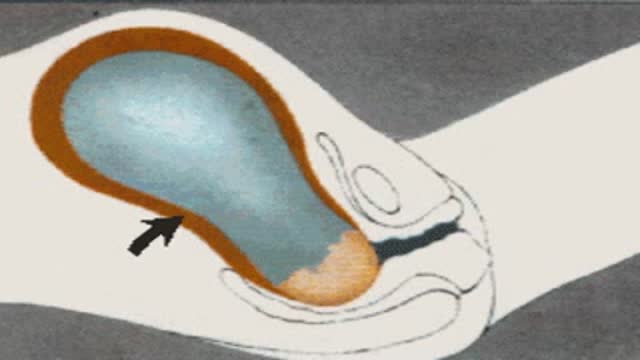 3D Animation of Normal Child Birth Delivery888,804 views
 Vaginal Childbirth Video: What Happens During Delivery805,026 views
 IUD Insertion Procedure: How an Intrauterine Device Is Placed562,196 views
 Breech Delivery with Head Entrapment: A Clinical Case480,512 views
 Rectovaginal Examination: What This Pelvic Exam Checks460,787 views
 Forceps Delivery: How Obstetric Forceps Assist a Birth339,765 views
About Gynecology & Obstetrics
Gynaecologists investigate period problems, pelvic pain, fibroids, cysts and fertility concerns, and perform operations such as hysterectomy, laparoscopy and hysteroscopy. Obstetricians care for women through pregnancy, labour and birth, including caesarean delivery and the management of complications such as pre-eclampsia.
Childbirth is this library's signature collection — real deliveries and 3D animations watched around the world — and the Pregnancy Weeks section follows a pregnancy week by week alongside. The screening section explains cervical and breast checks in plain language.
The specialty works closely with midwifery, which leads most straightforward pregnancy care, with neonatology for babies needing support after birth, and with oncology, urology and colorectal surgery in subspecialty clinics. Subspecialties include reproductive medicine (fertility), urogynaecology (prolapse and incontinence), fetal medicine and gynaecological oncology. Screening and vaccination programmes — cervical screening and HPV vaccination — are its biggest preventive contribution.
Gynecology & Obstetrics in practice
Gynaecology care ranges from clinic assessments — history, examination, ultrasound and smear or biopsy tests — to day-case and inpatient operations. Obstetric care follows a rhythm of antenatal visits, scans and blood tests, a birth plan that can flex when labour demands, and postnatal checks for mother and baby.
The library's childbirth collection shows real labours and deliveries as well as animations, which many parents find the best preparation for what birth actually looks like. The Pregnancy Weeks guides follow the same journey in writing, week by week.
Women are referred to gynaecology for abnormal bleeding, pelvic pain, abnormal smear results, prolapse and fertility problems, while obstetric care is usually arranged directly through midwives and maternity services. Many gynaecological assessments are completed in one visit with ultrasound. The pregnancy resources here are written for each week, and the screening section explains cervical and breast screening invitations.
Condition guides
Reference & hubs
Calculators & tools
Common questions
What is the difference between a gynecologist and an obstetrician?
A gynecologist specialises in the female reproductive system: period and hormone problems, pelvic pain, fibroids, cysts, fertility and menopause. An obstetrician specialises in pregnancy and childbirth. Many doctors practise both, which is why the specialty is often called OB-GYN.
What can I watch and read about gynecology and obstetrics on MedicalVideos.com?
You can watch the most-watched videos from the site's Gynecology and Childbirth Videos categories — 602 videos as of November 2026 — follow the Pregnancy Weeks guides, and read condition guides for PCOS, endometriosis, fibroids and menopause.
When should I see a gynecologist?
Heavy or irregular bleeding, pelvic pain, a new lump, bleeding after menopause, or difficulty conceiving after a year of trying are all reasons to book an assessment. In pregnancy, bleeding, reduced fetal movements, severe headache or swelling needs urgent advice the same day.
More in Women & Children
Sources
This page is general education only and is not medical advice. It gathers videos and guides published on MedicalVideos.com for one specialty; it does not replace assessment or treatment by your own clinician. Video counts are the counts shown on the site's category pages in November 2026.