
- Procedures & Tests
- Symptoms A-Z
- Symptom Checker
- Kidney Diet
- First Aid
- Anatomy Atlas
- Ask MedicalVideos
- Drug Guide
- Lab Values
- Vital Signs
- Muscles A–Z
- Clinical Signs
- Medical Abbreviations
- Medical Terminology
- Physical Examination
- Surgical Examination
- Ophthalmology
- Clinical Skills
- Orthopedics
- Surgery Videos
- Laparoscopy
- Pediatrics
- Funny Videos
- Cardiothoracic Surgery
- Nursing Videos
- Plastic Surgery
- Otorhinolaryngology
- Histology and Histopathology
- Neurosurgery
- Dermatology
- Pediatric Surgery
- Urology
- Dentistry
- Oncology and Cancers
- Anatomy Videos
- Health and Fitness
- Radiology
- Anaesthesia
- Physical Therapy
- Pharmacology
- Interventional Radiology
- Cardiology
- Endocrinology
- Gynecology
- Emergency Medicine
- Psychiatry and Psychology
- Childbirth Videos
- General Medical Videos
- Nephrology
- Physiology
- Diet and Food Health
- Diabetes Mellitus
- Neurology
- Women Health
- Osteoporosis
- Gastroenterology
- Pulmonology
- Hematology
- Rheumatology
- Toxicology
- Nuclear Medicine
- Infectious Diseases
- Vascular Disease
- Reproductive Health
- Burns and Wound Healing
- Kidney Zone Podcast
- Other

















Obstetrical Forceps

Educational only: videos on MedicalVideos.com are for general information and are not medical advice. Always consult your own doctor about your health.
Forceps are used to assist in labor and delivery. Forceps delivery is considered an operative obstetric procedure
This video in 30 seconds
This video covers obstetrical forceps and their use in delivery. Forceps are described as being used to assist in labour and delivery, and forceps delivery is described as an operative obstetric procedure.
Key points
- Obstetrical forceps are covered
- Use of forceps to assist in labour and delivery is described
- Forceps delivery is described as an operative obstetric procedure
Video Transcript
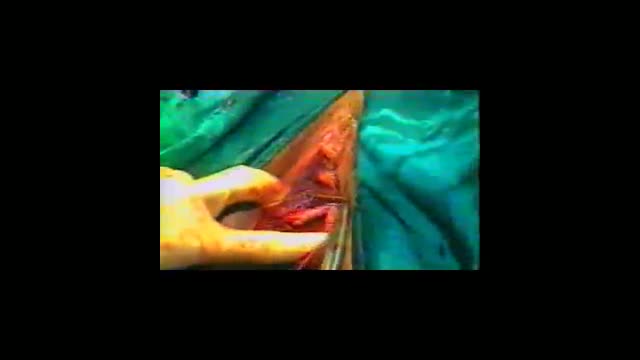
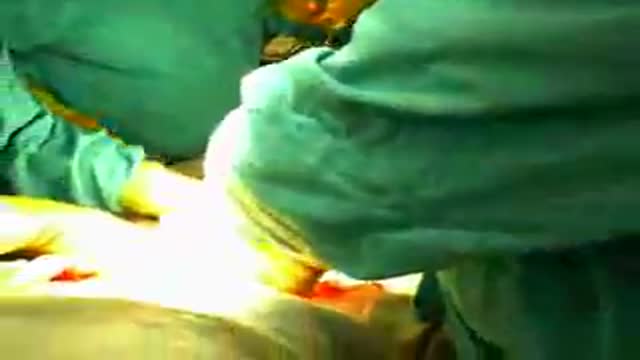
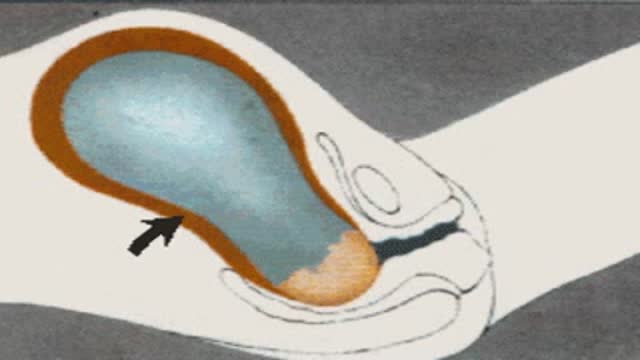
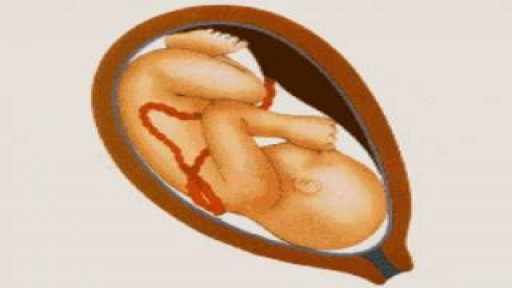
This demonstration shows how obstetrical forceps are applied, using a model. The narration explains that the two blades are inserted one at a time, lubricated and following the pelvic and fetal curves, locked together, checked for position, and used to apply traction first downward and then upward as the head delivers, before the forceps are removed and the rest of the baby delivered. It closes by stressing the video is for demonstration only and the procedure is potentially hazardous in untrained hands.
Read the full transcript
Obstetrical forceps generally come in two pieces which are brought together through a lock. Start with the forceps locked and positioned as though they were applied. Slide the first lubricated blade in place following the pelvic and fetal curve. Have an assistant support the first blade while the second is inserted and locked. Before applying traction, recheck the positioning of the blades. Traction is applied initially downward and then upward as the head delivers. Remove the forceps and deliver the rest of the baby. This video is for demonstration purposes as this is potentially hazardous only trained and qualified personnel should perform this procedure.
Transcript auto-generated from the video’s audio for accessibility and study. Educational content only — not medical advice.
Medical Videos
Free medical and surgery videos for patients, students and professionals — trusted since 2007.
Founded by Dr. Mohamed Ibrahim, MD, PhD — physician-scientist.
Follow us on Facebook · Instagram
SORT BY-
Top Comments
-
Latest comments