
- Physical Examination
- Surgical Examination
- Ophthalmology
- Clinical Skills
- Orthopedics
- Surgery Videos
- Laparoscopy
- Pediatrics
- Funny Videos
- Cardiothoracic Surgery
- Nursing Videos
- Plastic Surgery
- Otorhinolaryngology
- Histology and Histopathology
- Neurosurgery
- Dermatology
- Pediatric Surgery
- Urology
- Dentistry
- Oncology and Cancers
- Anatomy Videos
- Health and Fitness
- Radiology
- Anaesthesia
- Physical Therapy
- Pharmacology
- Interventional Radiology
- Cardiology
- Endocrinology
- Gynecology
- Emergency Medicine
- Psychiatry and Psychology
- Childbirth Videos
- General Medical Videos
- Nephrology
- Physiology
- Diet and Food Health
- Diabetes Mellitus
- Neurology
- Women Health
- Osteoporosis
- Gastroenterology
- Pulmonology
- Hematology
- Rheumatology
- Toxicology
- Nuclear Medicine
- Infectious Diseases
- Vascular Disease
- Reproductive Health
- Burns and Wound Healing
- Kidney Zone Podcast
- Other
Prostate Cancer
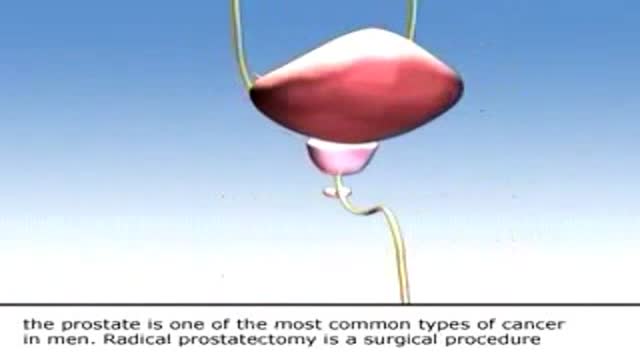
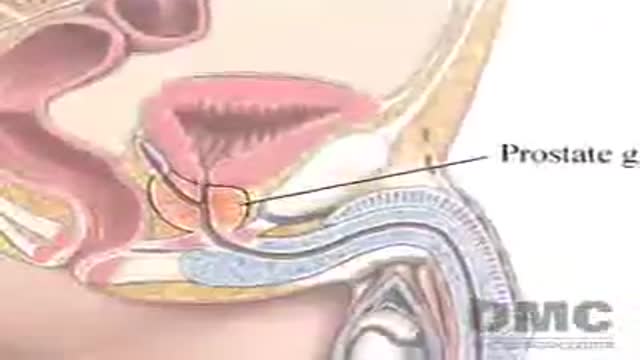
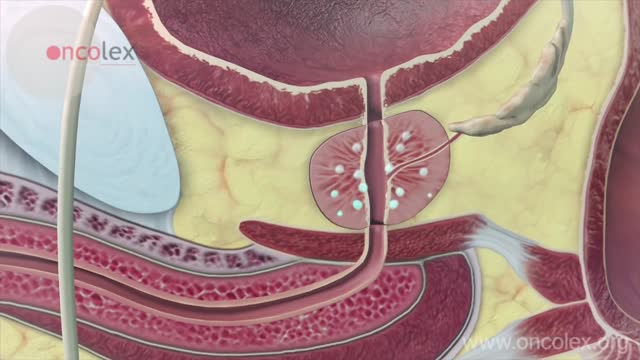
Prostate cancer is a cancer that starts in the prostate, the small gland below the bladder that contributes fluid to semen. This page explains its symptoms, causes, and treatment in plain language, with videos to help you follow the key points.
✓ Medically reviewed by Dr. Mohamed Ibrahim, MD, PhD — physician-scientist · Last reviewed: November 2026
In short: Prostate cancer often grows slowly and may cause no symptoms at first; urinary symptoms, when present, are usually due to benign enlargement instead. Assessment uses a PSA blood test, examination, scans, and biopsy. Treatment ranges from careful monitoring to surgery, radiotherapy, and hormone therapy.
Watch: Prostate Cancer videos

Read: the plain-language guide
Overview
Prostate cancer develops when cells in the prostate gland grow without normal control. It is most common in older men. Many prostate cancers grow very slowly and may never cause harm during a man's lifetime, while others grow and spread more quickly, first to nearby tissues and lymph nodes and later often to bones. Because these behaviors differ so much, diagnosis focuses not only on whether cancer is present but on how risky it is.
Symptoms
Early prostate cancer usually causes no symptoms at all. When symptoms occur, they typically involve urination: a weaker stream, difficulty starting, needing to pass urine more often or urgently, and getting up at night. Importantly, these symptoms are far more often caused by benign prostate enlargement, which is very common with age, than by cancer. Blood in the urine or semen can occur. Cancer that has spread may cause persistent bone pain, particularly in the back or pelvis, and unexplained weight loss.
Causes & risk factors
The exact cause is unknown. Age is the strongest risk factor, with most cases diagnosed in men over 65. Having a father or brother with prostate cancer increases risk, and some cases are linked to inherited gene changes such as BRCA2. Men of Black African or Caribbean ancestry have a higher risk of developing prostate cancer and of developing it younger. Benign enlargement does not turn into cancer.
How it's diagnosed
Assessment usually starts with a PSA blood test and a rectal examination of the prostate. PSA is not a cancer test in itself: it also rises with benign enlargement, inflammation, and other non-cancer causes, so a raised result leads to further checks, not a diagnosis. An MRI scan of the prostate is often done next, and if it shows a suspicious area, a biopsy takes small tissue samples to confirm cancer and grade how aggressive it looks. Further scans may assess spread.
Treatment overview
Treatment depends on the cancer's risk level, whether it has spread, and the man's health and preferences, and is planned by a specialist team. Low-risk cancers confined to the prostate may be managed with active surveillance: regular PSA tests, scans, and biopsies, treating only if the cancer changes. Curative options include surgery to remove the prostate and radiotherapy, given as external treatment or as implanted seeds. Hormone therapy, which lowers testosterone, is central for more advanced disease and is sometimes combined with radiotherapy, chemotherapy, or newer hormone and targeted medicines. Side effects, especially on urinary, sexual, and bowel function, are discussed before choosing.
When to seek care
Seek urgent assessment if you cannot pass urine at all, pass blood clots in the urine, or develop new severe back pain with leg weakness or numbness. Arrange prompt review for new or worsening urinary symptoms, blood in the urine or semen, or persistent bone pain, and talk to your doctor about PSA testing if you have risk factors such as a strong family history.
Frequently asked questions
Does a raised PSA mean I have prostate cancer?
No. PSA rises for many reasons, including benign enlargement, inflammation, recent ejaculation, and urinary infection, and most men with a raised PSA do not have cancer. A raised result simply means further assessment, usually an MRI scan, is worthwhile before any biopsy.
Should every man have a PSA test?
It is an individual decision rather than an automatic one. Testing can find cancers early, but it can also detect slow-growing cancers that would never have caused harm, leading to treatment side effects. Discuss the benefits and drawbacks with your doctor, especially if you are at higher risk.
Is prostate cancer always aggressive?
No. Many prostate cancers are slow-growing and are safely monitored for years without treatment. Biopsy grading, PSA level, and scan findings distinguish cancers that need prompt treatment from those that can be watched.
Do urinary symptoms mean prostate cancer?
Usually not. A weak stream, frequency, and night-time urination are most often caused by benign prostate enlargement, which is extremely common as men age. Because the two conditions can coexist, new symptoms should still be assessed rather than dismissed.
More in Cancer
Related topics on MedicalVideos.com
Sources & further reading
Authoritative references for readers who want to go deeper:
This page is for general education only and is not medical advice. Urinary symptoms are usually caused by benign prostate enlargement rather than cancer, but new symptoms still deserve assessment rather than assumption.