
- Procedures & Tests
- Symptoms A-Z
- Symptom Checker
- Kidney Diet
- First Aid
- Anatomy Atlas
- Ask MedicalVideos
- Drug Guide
- Lab Values
- Vital Signs
- Muscles A–Z
- Clinical Signs
- Medical Abbreviations
- Medical Terminology
- Physical Examination
- Surgical Examination
- Ophthalmology
- Clinical Skills
- Orthopedics
- Surgery Videos
- Laparoscopy
- Pediatrics
- Medical Humor
- Cardiothoracic Surgery
- Nursing Videos
- Plastic Surgery
- Otorhinolaryngology
- Histology and Histopathology
- Neurosurgery
- Dermatology
- Pediatric Surgery
- Urology
- Dentistry
- Oncology and Cancers
- Anatomy Videos
- Health and Fitness
- Radiology
- Anaesthesia
- Physical Therapy
- Pharmacology
- Interventional Radiology
- Cardiology
- Endocrinology
- Gynecology
- Emergency Medicine
- Psychiatry and Psychology
- Childbirth Videos
- General Medical Videos
- Nephrology
- Physiology
- Diet and Food Health
- Diabetes Mellitus
- Neurology
- Women Health
- Osteoporosis
- Gastroenterology
- Pulmonology
- Hematology
- Rheumatology
- Toxicology
- Nuclear Medicine
- Infectious Diseases
- Vascular Disease
- Reproductive Health
- Burns and Wound Healing
- Kidney Zone Podcast
- Other

This is video private, just the publisher can view it.





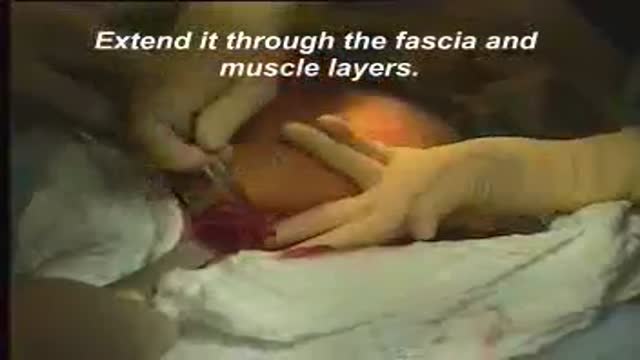
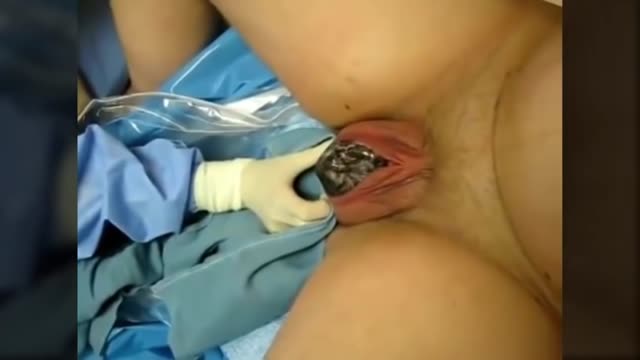


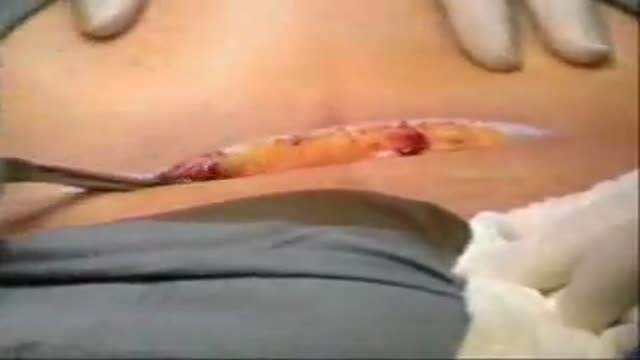




Parto vaginal espontáneo en animación 3D: cómo se desarrolla un nacimiento sin complicaciones Private
Ibrahim MM. Spontaneous Vaginal Delivery in 3D Animation: How an Uncomplicated Birth Unfolds [video]. MedicalVideos.com; 2024 Jan 17 [cited 2026 Nov 29]. Available from: https://www.medicalvideos.com/watch/spontaneous-vaginal-delivery-in-3d-animation-how-a-uncomplicated-birth-unfolds_wiNodZAqTJJi4b22WFif.html
Ibrahim, M. M. (2024, January 17). Spontaneous Vaginal Delivery in 3D Animation: How an Uncomplicated Birth Unfolds [Video]. MedicalVideos.com. https://www.medicalvideos.com/watch/spontaneous-vaginal-delivery-in-3d-animation-how-a-uncomplicated-birth-unfolds_wiNodZAqTJJi4b22WFif.html
Ibrahim, Mohamed Magdy. “Spontaneous Vaginal Delivery in 3D Animation: How an Uncomplicated Birth Unfolds.” MedicalVideos.com, 17 Jan. 2024, https://www.medicalvideos.com/watch/spontaneous-vaginal-delivery-in-3d-animation-how-a-uncomplicated-birth-unfolds_wiNodZAqTJJi4b22WFif.html. Accessed 29 Nov. 2026.
@misc{medicalvideos2024_wiNodZAqTJJi4b22WFif,
  author = {Ibrahim, Mohamed Magdy},
  title = {Spontaneous Vaginal Delivery in 3D Animation: How an Uncomplicated Birth Unfolds},
  publisher = {MedicalVideos.com},
  year = {2024},
  month = {1},
  url = {https://www.medicalvideos.com/watch/spontaneous-vaginal-delivery-in-3d-animation-how-a-uncomplicated-birth-unfolds_wiNodZAqTJJi4b22WFif.html},
  note = {Video},
  urldate = {2026-11-29}
}Vancouver (NLM) is the manuscript standard for medical journals. RIS imports into EndNote, Zotero and Mendeley.

Educational only: videos on MedicalVideos.com are for general information and are not medical advice. Always consult your own doctor about your health.
Una animación 3D de un parto vaginal espontáneo, que muestra cómo se desarrolla un nacimiento sin complicaciones. Solo con fines de aprendizaje — no es consejo médico.
This video in 30 seconds
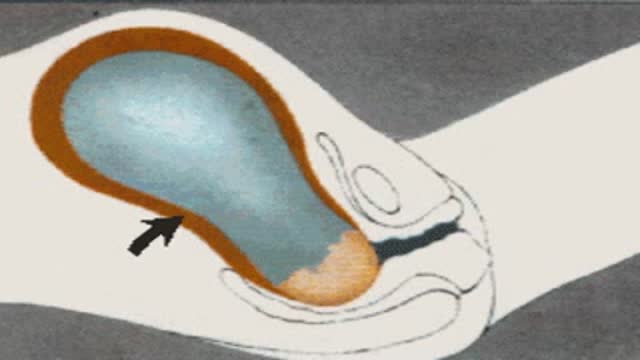
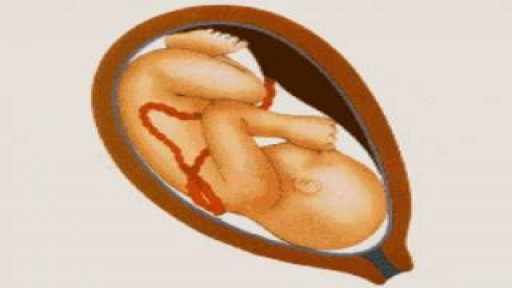
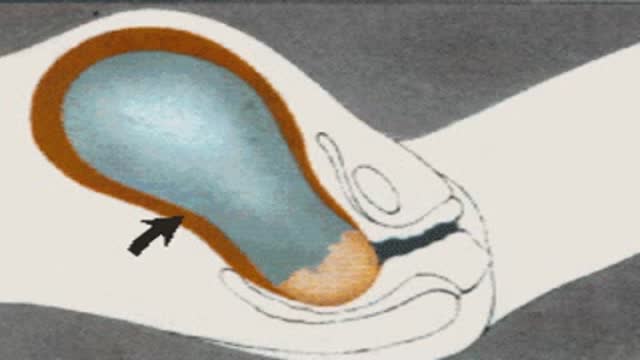
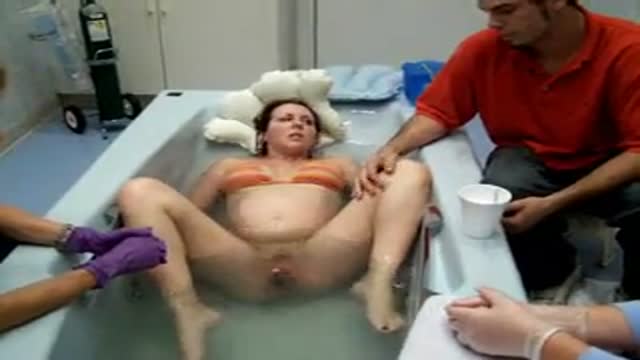
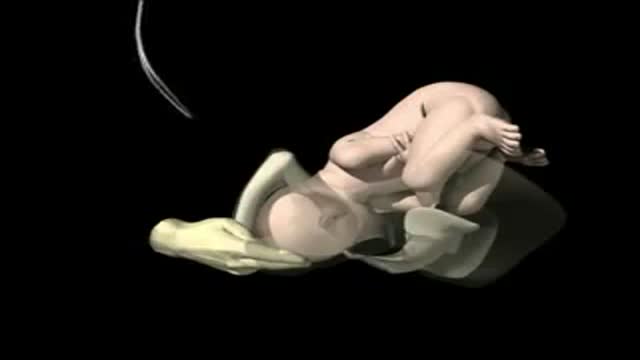
This narrated 3D animation explains a spontaneous vaginal delivery. It describes the hormonal changes before labour, how true labour contractions become rhythmic and stronger, how the uterine muscles open the cervix and guide the baby down, and the stages through dilation, pushing, birth, and delivery of the placenta.
Key points
- Hormonal changes that soften the cervix and trigger contractions are explained
- True labour contractions are described as rhythmic and progressively stronger
- Loss of the mucus plug and waters breaking are covered
- Dilation, active labour, and full dilation are walked through in sequence
- Crowning, birth, and the third stage with the placenta are shown
Chapters
- 0:10 — Hormonal changes before labour
- 0:24 — True labour contractions develop
- 0:50 — Waters breaking and dilation
- 1:23 — Second stage and pushing
- 1:51 — Third stage placenta delivery
Ask this video
Ask about a step, a term, or a moment in this video. The answer is quoted from the video's own transcript — tap a timestamp to jump the player there.
Quoted from the auto-generated transcript, so an occasional word may be the transcript's own error. Educational only — not medical advice and not a diagnosis.
Chapters
Video Transcript
A narrated 3D animation of a spontaneous vaginal delivery. It explains the hormonal shift before labour — prostaglandins softening the cervix and oxytocin triggering contractions — how true labour contractions grow rhythmic and stronger, how the uterine muscles pull the cervix open and push the baby down, and the mucus plug that may be expelled before or during labour.
Read the full transcript
In the weeks before birth, your body slows down production of the hormone progesterone while increasing production of other hormones including prostaglandins which soften the cervix and oxytocin which triggers the uterine muscles to contract. True labor contractions are rhythmic and painful and grow consistently stronger. As the long vertical muscle bands of the uterus tighten, they pull the cervix open. The strong muscles at the top of the uterus push down and release, guiding your baby toward the cervix. The mucus plug, a collection of thickened cervical mucus that sealed your cervix shut for nine months
may be expelled days before or in the midst of labor. When the amniotic sac ruptures, your water has broken. It can feel like a trickle or a gush of fluid. Your cervix will begin opening and thinning known as dilation and effacement. Once you reach about four centimeters, your body will move into active labor. In active labor, contractions become stronger and closer together. At eight centimeters, you enter what many consider the most painful part of labor, transition. By ten centimeters, you're fully dilated and may feel the urge to push.
This is your signal that the second stage of labor has begun. Your baby will move down with each contraction. The three separate soft bones of his head will temporarily overlap so he can pass through the snug birth canal. Your baby's scalp will come into view when the widest part of his head is visible. Your baby is crowning. With several more pushes, your baby's face, shoulders and body will emerge. In the third and final stage of labor, your placenta detaches and is expelled. With your baby's first breath, the incredible journey of birth is complete.
Transcript auto-generated from the video’s audio for accessibility and study. Educational content only — not medical advice.
Related reading
Save videos for later
Create a free account to build your own watch-later list and playlists, and pick up where you left off on any device.
Medical Videos
Free medical and surgery videos for patients, students and professionals — trusted since 2007.
Founded by Dr. Mohamed Ibrahim, MD, PhD — physician-scientist.
Follow us on Facebook · Instagram · Telegram
SORT BY-
Top Comments
-
Latest comments