
- Physical Examination
- Surgical Examination
- Ophthalmology
- Clinical Skills
- Orthopedics
- Surgery Videos
- Laparoscopy
- Pediatrics
- Funny Videos
- Cardiothoracic Surgery
- Nursing Videos
- Plastic Surgery
- Otorhinolaryngology
- Histology and Histopathology
- Neurosurgery
- Dermatology
- Pediatric Surgery
- Urology
- Dentistry
- Oncology and Cancers
- Anatomy Videos
- Health and Fitness
- Radiology
- Anaesthesia
- Physical Therapy
- Pharmacology
- Interventional Radiology
- Cardiology
- Endocrinology
- Gynecology
- Emergency Medicine
- Psychiatry and Psychology
- Childbirth Videos
- General Medical Videos
- Nephrology
- Physiology
- Diet and Food Health
- Diabetes Mellitus
- Neurology
- Women Health
- Osteoporosis
- Gastroenterology
- Pulmonology
- Hematology
- Rheumatology
- Toxicology
- Nuclear Medicine
- Infectious Diseases
- Vascular Disease
- Reproductive Health
- Burns and Wound Healing
- Kidney Zone Podcast
- Other
Bowel Obstruction
A bowel obstruction is a blockage in the small or large intestine that prevents food, fluid, and gas from passing through normally. This page explains its symptoms, causes, and treatment in plain language, with videos to help you follow the key points.
✓ Medically reviewed by Dr. Mohamed Ibrahim, MD, PhD — physician-scientist · Last reviewed: November 2026
In short: In a bowel obstruction, the intestine becomes blocked, most often by scar tissue from earlier surgery, a hernia, or a tumour. It causes pain, vomiting, and a swollen abdomen, and is an emergency: treatment is in hospital, with fluids, bowel rest, and often surgery.
Watch: Bowel Obstruction videos

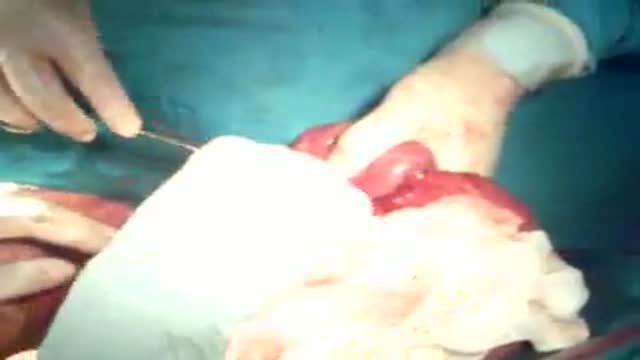
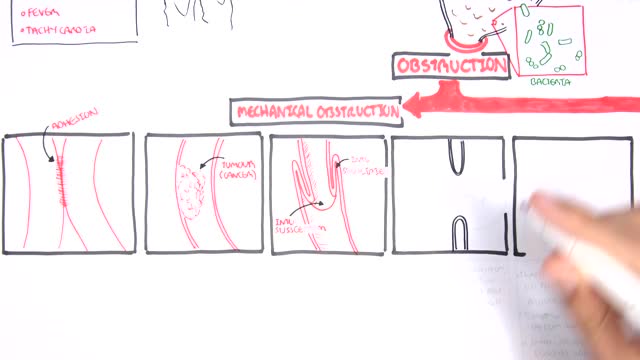

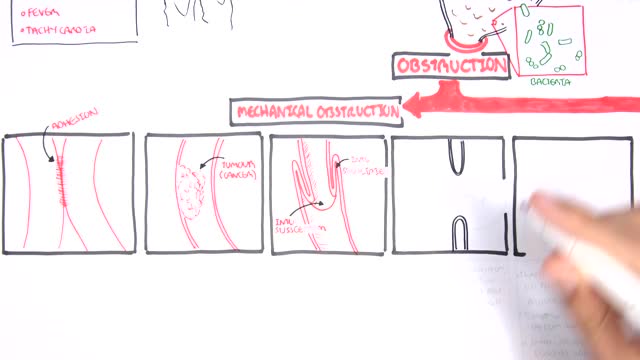
Read: the plain-language guide
Overview
The bowel is a long muscular tube that moves food along as it is digested. If something blocks the tube, contents build up above it, the bowel wall stretches, and fluid is lost into the bowel and through vomiting. Without treatment, the stretched bowel can lose its blood supply, and the wall may die or burst, which is life-threatening. Obstruction can affect the small or large intestine, and may be partial or complete. Prompt hospital treatment greatly improves outcomes.
Symptoms
Typical symptoms are cramping abdominal pain that comes and goes in waves, a swollen and bloated abdomen, nausea and vomiting, and constipation with an inability to pass wind. Early on there may be some bowel motions as the bowel below the blockage empties, but these stop as the obstruction persists. Vomiting tends to start earlier when the blockage is high in the small bowel. Loss of appetite is common, and dehydration develops as fluid is lost.
Causes & risk factors
The most common cause of small bowel obstruction is adhesions, bands of scar tissue that form after abdominal or pelvic surgery and can kink or trap the bowel. Hernias are another frequent cause, when a loop of bowel gets stuck in the hernia opening. In the large bowel, tumours are the leading cause, along with twisting of the bowel, called volvulus, and narrowing from repeated inflammation such as diverticulitis or inflammatory bowel disease. Severe constipation can occasionally block the bowel in frail older people.
How it's diagnosed
The team will examine the abdomen and ask about previous surgery, hernias, and bowel habits. Blood tests check hydration, salts, and kidney function, often disturbed by vomiting and fluid loss. An X-ray may show swollen loops of bowel, but a CT scan of the abdomen is the key test: it shows where the blockage is, how complete it is, and often its cause. Sometimes a contrast study is used, which can confirm the diagnosis and, with adhesions, occasionally help the blockage settle.
Treatment overview
Treatment starts with stopping food and drink, fluids through a drip, and correction of salt imbalances. A thin tube passed through the nose into the stomach drains off fluid and air, relieving vomiting and bloating. Partial obstructions from adhesions often settle with this approach alone over a day or two. Surgery is needed if the blockage is complete, if the bowel's blood supply is threatened, or if things do not settle. The operation removes the blockage and its cause, for example dividing adhesions, repairing a hernia, or removing a diseased section of bowel.
When to seek care
A suspected bowel obstruction is an emergency. Go to the emergency department or call emergency services for severe or worsening abdominal pain with vomiting and a swollen abdomen, especially if you cannot pass wind or stool. Do not eat or drink while waiting to be assessed.
Frequently asked questions
Does a bowel obstruction always need surgery?
No. Many partial blockages, especially those caused by scar tissue after previous surgery, settle with hospital treatment using drips and a stomach drainage tube. Surgery is needed when the blockage is complete, the bowel is at risk of losing its blood supply, or the obstruction does not resolve.
What is the most common cause of bowel obstruction?
In the small bowel, the most common cause is adhesions, which are bands of scar tissue left after earlier abdominal surgery. In the large bowel, tumours are the leading cause, followed by twisting of the bowel and narrowing from inflammation.
How serious is a bowel obstruction?
It is always treated as an emergency because the blocked bowel can lose its blood supply and die, or burst, causing severe infection. With prompt hospital treatment most people recover well, which is why severe abdominal pain with vomiting should never be waited out at home.
Can a bowel obstruction come back?
Yes, particularly when adhesions are the cause, because the scar tissue remains after the episode settles and further surgery can create more. If you have had an obstruction before, seek help early for similar symptoms and tell the team your history.
More in Digestive
Related topics on MedicalVideos.com
Sources & further reading
Authoritative references for readers who want to go deeper:
This page is for general education only and is not medical advice. A suspected bowel obstruction is an emergency: do not eat or drink, and go to the emergency department, because delayed treatment can damage the bowel.