
- Physical Examination
- Surgical Examination
- Ophthalmology
- Clinical Skills
- Orthopedics
- Surgery Videos
- Laparoscopy
- Pediatrics
- Funny Videos
- Cardiothoracic Surgery
- Nursing Videos
- Plastic Surgery
- Otorhinolaryngology
- Histology and Histopathology
- Neurosurgery
- Dermatology
- Pediatric Surgery
- Urology
- Dentistry
- Oncology and Cancers
- Anatomy Videos
- Health and Fitness
- Radiology
- Anaesthesia
- Physical Therapy
- Pharmacology
- Interventional Radiology
- Cardiology
- Endocrinology
- Gynecology
- Emergency Medicine
- Psychiatry and Psychology
- Childbirth Videos
- General Medical Videos
- Nephrology
- Physiology
- Diet and Food Health
- Diabetes Mellitus
- Neurology
- Women Health
- Osteoporosis
- Gastroenterology
- Pulmonology
- Hematology
- Rheumatology
- Toxicology
- Nuclear Medicine
- Infectious Diseases
- Vascular Disease
- Reproductive Health
- Burns and Wound Healing
- Kidney Zone Podcast
- Other
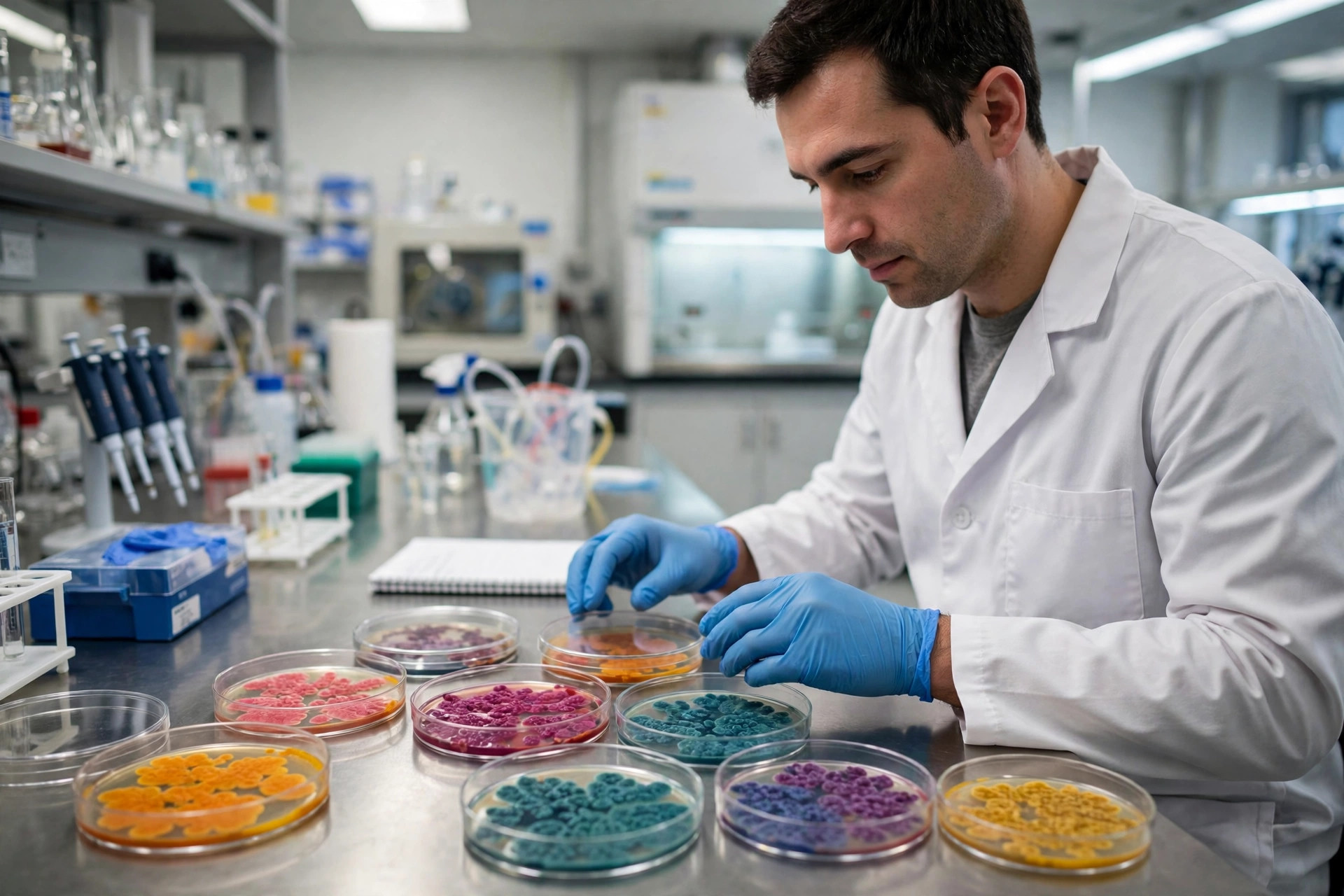
Chapter 1: Infectious and parasitic diseases (A00–B99)
Infections caused by bacteria, viruses, fungi and parasites — from gastroenteritis and tuberculosis to sepsis, sexually transmitted infections and HIV — together with codes identifying the organisms that cause them.
Chapter 1 spans codes A00–B99 in the FY2027 ICD-10-CM tabular list. This guide explains 26 of its most common codes — select a code for its official description, a plain-English explanation and a note on when the code is used.
Codes in this chapter
| Code | Official description | In plain words |
|---|---|---|
| A04.72 | Enterocolitis due to Clostridium difficile, not specified as recurrent | A bowel infection caused by the bacterium Clostridioides difficile, often triggered when antibiotics disturb the normal gut bacteria. |
| A08.4 | Viral intestinal infection, unspecified | A gut infection caused by a virus, producing vomiting and watery diarrhoea, usually settling within a few days. |
| A09 | Infectious gastroenteritis and colitis, unspecified | Inflammation of the stomach and intestines, or of the colon, caused by an infection, with diarrhoea as the main symptom. |
| A15.0 | Tuberculosis of lung | Tuberculosis infection of the lungs, caused by Mycobacterium tuberculosis, spread through the air from people with active disease. |
| A41.51 | Sepsis due to Escherichia coli [E. coli] | Sepsis caused by the common gut bacterium Escherichia coli (E. coli). |
| A41.9 | Sepsis, unspecified organism | Sepsis is the body's overwhelming, life-threatening response to an infection, which can lead to organ failure. |
| A53.9 | Syphilis, unspecified | Syphilis is a sexually transmitted bacterial infection that progresses through stages if untreated. |
| A54.9 | Gonococcal infection, unspecified | Gonorrhoea is a sexually transmitted bacterial infection of the genital tract, rectum or throat. |
| A59.9 | Trichomoniasis, unspecified | Trichomoniasis is a common sexually transmitted infection caused by a tiny parasite. |
| A60.9 | Anogenital herpesviral infection, unspecified | Herpes simplex virus infection around the genitals or anus, causing recurrent painful blisters or sores. |
| A63.0 | Anogenital (venereal) warts | Genital or anal warts caused by human papillomavirus (HPV), a sexually transmitted virus. |
| A69.20 | Lyme disease, unspecified | Lyme disease is an infection spread by tick bites, often starting with an expanding round rash. |
| A74.9 | Chlamydial infection, unspecified | Chlamydia is a very common sexually transmitted bacterial infection that often causes no symptoms. |
| B00.9 | Herpesviral infection, unspecified | Infection with herpes simplex virus, the virus behind cold sores and genital herpes. |
| B02.9 | Zoster without complications | Shingles is a painful blistering rash caused by reactivation of the chickenpox virus in a nerve root. |
| B08.4 | Enteroviral vesicular stomatitis with exanthem | Hand, foot and mouth disease is a common childhood viral illness with sores in the mouth and a rash on the hands and feet. |
| B18.2 | Chronic viral hepatitis C | Long-term (chronic) infection of the liver with the hepatitis C virus. |
| B20 | Human immunodeficiency virus [HIV] disease | Disease caused by the human immunodeficiency virus (HIV), which weakens the immune system over time. |
| B34.9 | Viral infection, unspecified | An illness caused by a virus, where tests do not identify a specific virus or site. |
| B35.1 | Tinea unguium | A fungal infection of the nails, usually toenails, making them thickened, discoloured and crumbly. |
| B35.4 | Tinea corporis | Ringworm of the body: a fungal skin infection causing itchy, ring-shaped patches. |
| B37.0 | Candidal stomatitis | Oral thrush: a yeast (Candida) infection causing white patches inside the mouth. |
| B85.0 | Pediculosis due to Pediculus humanus capitis | Head lice infestation: tiny insects living on the scalp, spread by head-to-head contact, common in schoolchildren. |
| B86 | Scabies | Scabies is an intensely itchy skin infestation caused by a microscopic mite that burrows into the skin. |
| B96.81 | Helicobacter pylori [H. pylori] as the cause of diseases classified elsewhere | Helicobacter pylori is a bacterium that lives in the stomach lining and is linked to stomach ulcers and gastritis. |
| B97.7 | Papillomavirus as the cause of diseases classified elsewhere | Human papillomavirus (HPV) is a very common virus; some types cause warts and others are linked to cervical and other cancers. |
This guide explains ICD-10-CM codes in plain language for patients, students and other readers. It is educational information only — not coding, billing or medical advice. The code recorded for any real encounter is assigned from the full clinical documentation by the treating team and qualified coders, and only they can decide which code fits a specific case.
Other chapters
- Chapter 2: Neoplasms
- Chapter 3: Blood & Immune Disorders
- Chapter 4: Endocrine, Nutritional & Metabolic
- Chapter 5: Mental, Behavioral & Neurodevelopmental
- Chapter 6: Nervous System
- Chapter 7: Eye & Adnexa
- Chapter 8: Ear & Mastoid Process
- Chapter 9: Circulatory System
- Chapter 10: Respiratory System
- Chapter 11: Digestive System
- Chapter 12: Skin & Subcutaneous Tissue
- Chapter 13: Musculoskeletal & Connective Tissue
- Chapter 14: Genitourinary System
- Chapter 15: Pregnancy, Childbirth & Puerperium
- Chapter 16: Perinatal Period
- Chapter 17: Congenital & Genetic Disorders
- Chapter 18: Symptoms, Signs & Abnormal Findings
- Chapter 19: Injury & Poisoning
- Chapter 20: External Causes of Morbidity
- Chapter 21: Factors Influencing Health Status
- Chapter 22: Codes for Special Purposes