
- Physical Examination
- Surgical Examination
- Ophthalmology
- Clinical Skills
- Orthopedics
- Surgery Videos
- Laparoscopy
- Pediatrics
- Funny Videos
- Cardiothoracic Surgery
- Nursing Videos
- Plastic Surgery
- Otorhinolaryngology
- Histology and Histopathology
- Neurosurgery
- Dermatology
- Pediatric Surgery
- Urology
- Dentistry
- Oncology and Cancers
- Anatomy Videos
- Health and Fitness
- Radiology
- Anaesthesia
- Physical Therapy
- Pharmacology
- Interventional Radiology
- Cardiology
- Endocrinology
- Gynecology
- Emergency Medicine
- Psychiatry and Psychology
- Childbirth Videos
- General Medical Videos
- Nephrology
- Physiology
- Diet and Food Health
- Diabetes Mellitus
- Neurology
- Women Health
- Osteoporosis
- Gastroenterology
- Pulmonology
- Hematology
- Rheumatology
- Toxicology
- Nuclear Medicine
- Infectious Diseases
- Vascular Disease
- Reproductive Health
- Burns and Wound Healing
- Kidney Zone Podcast
- Other
Chapter 21: Factors influencing health status and contact with health services (Z00–Z99)
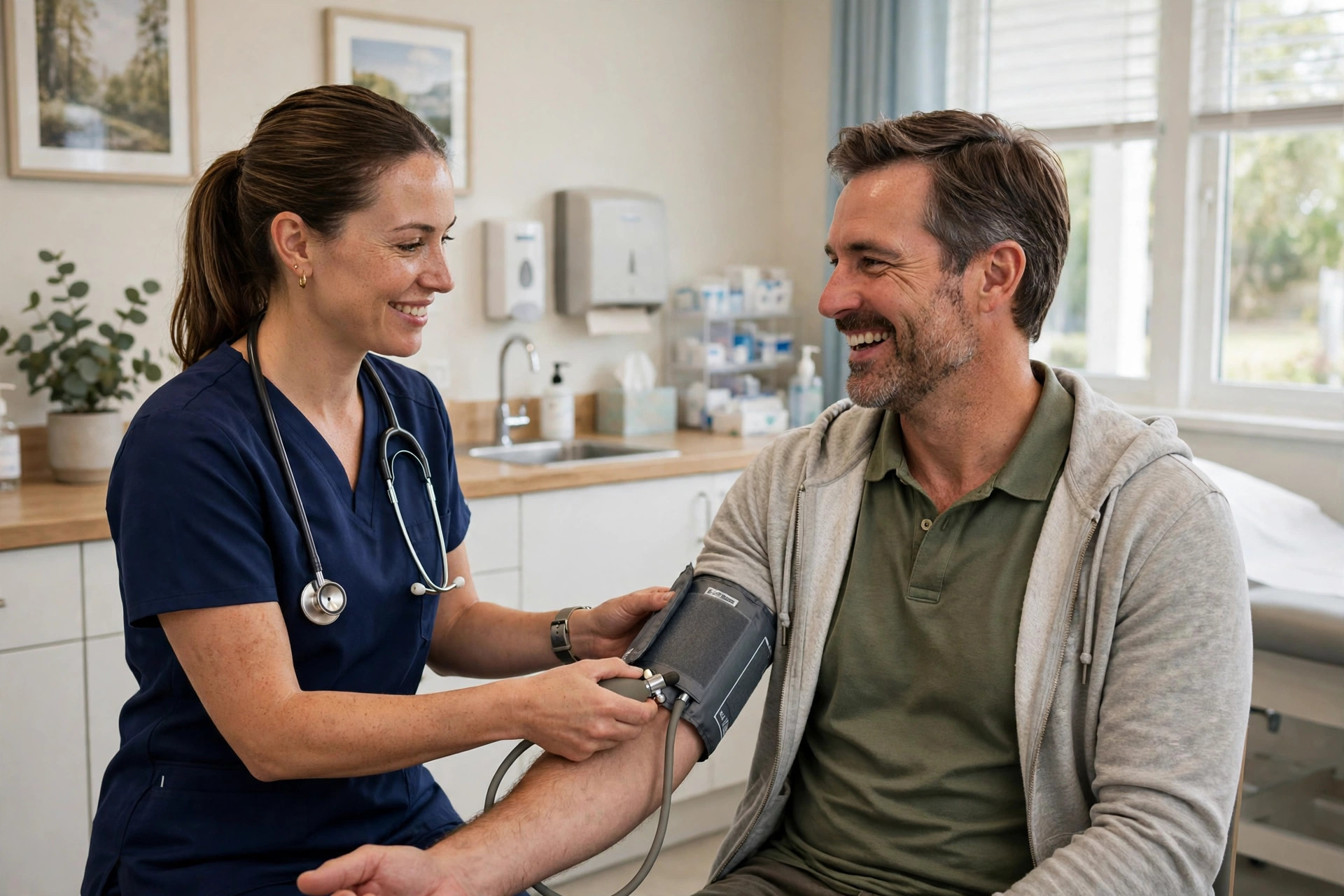
Reasons for contact with health services that are not a current illness: general check-ups and screening, vaccinations, contraception, antenatal visits, personal and family history codes, long-term drug therapy, and aftercare.
Chapter 21 spans codes Z00–Z99 in the FY2027 ICD-10-CM tabular list. This guide explains 99 of its most common codes — select a code for its official description, a plain-English explanation and a note on when the code is used.
Codes in this chapter
| Code | Official description | In plain words |
|---|---|---|
| Z00.00 | Encounter for general adult medical examination without abnormal findings | A general adult medical examination (a routine check-up) at which no abnormal findings were recorded. |
| Z00.01 | Encounter for general adult medical examination with abnormal findings | A general adult medical examination (routine check-up) at which abnormal findings were recorded. |
| Z00.129 | Encounter for routine child health examination without abnormal findings | A routine child health examination (well-child visit) at which no abnormal findings were recorded. |
| Z01.419 | Encounter for gynecological examination (general) (routine) without abnormal findings | A routine gynaecological examination (such as a well-woman check) at which no abnormal findings were recorded. |
| Z01.818 | Encounter for other preprocedural examination | An examination before a procedure or operation, other than the specific preprocedural examinations separately coded. |
| Z09 | Encounter for follow-up examination after completed treatment for conditions other than malignant neoplasm | A follow-up examination after treatment for a condition other than cancer has been completed. |
| Z11.3 | Encounter for screening for infections with a predominantly sexual mode of transmission | An encounter for screening (testing) for infections mainly transmitted sexually, in a person without symptoms of them. |
| Z11.4 | Encounter for screening for human immunodeficiency virus [HIV] | An encounter for screening (testing) for human immunodeficiency virus (HIV) in a person without symptoms. |
| Z11.51 | Encounter for screening for human papillomavirus (HPV) | An encounter for screening for human papillomavirus (HPV), usually as part of cervical screening. |
| Z11.59 | Encounter for screening for other viral diseases | An encounter for screening for other viral diseases, such as hepatitis viruses, in a person without symptoms. |
| Z12.11 | Encounter for screening for malignant neoplasm of colon | An encounter for screening for cancer of the colon and rectum, such as with a stool test or colonoscopy, in a person without symptoms. |
| Z12.2 | Encounter for screening for malignant neoplasm of respiratory organs | An encounter for screening for cancer of the respiratory organs, usually low-dose CT in people at high risk from smoking. |
| Z12.31 | Encounter for screening mammogram for malignant neoplasm of breast | An encounter for a screening mammogram to look for breast cancer in a woman without symptoms. |
| Z12.4 | Encounter for screening for malignant neoplasm of cervix | An encounter for screening for cancer of the cervix, by a cervical smear (Pap test) or HPV test. |
| Z12.5 | Encounter for screening for malignant neoplasm of prostate | An encounter for screening for prostate cancer, usually with a PSA blood test, in a man without symptoms. |
| Z13.1 | Encounter for screening for diabetes mellitus | An encounter for screening for diabetes mellitus, such as a blood glucose or HbA1c test in a person without symptoms. |
| Z13.220 | Encounter for screening for lipoid disorders | An encounter for screening for lipid (cholesterol) disorders with a blood test. |
| Z13.820 | Encounter for screening for osteoporosis | An encounter for screening for osteoporosis, usually with a bone-density (DXA) scan. |
| Z20.2 | Contact with and (suspected) exposure to infections with a predominantly sexual mode of transmission | Contact with, or suspected exposure to, an infection mainly transmitted sexually, in a person being assessed or tested. |
| Z20.822 | Contact with and (suspected) exposure to COVID-19 | Contact with, or suspected exposure to, COVID-19, recorded for a person being assessed or tested. |
| Z22.7 | Latent tuberculosis | Latent tuberculosis infection means the TB bacteria are present but inactive, with no illness; found by a skin or blood test. |
| Z23 | Encounter for immunization | An encounter at which a vaccine is given (immunisation), regardless of the vaccine type. |
| Z30.09 | Encounter for other general counseling and advice on contraception | An encounter for general counselling and advice about contraception, other than a specific contraceptive procedure. |
| Z32.01 | Encounter for pregnancy test, result positive | An encounter for a pregnancy test whose result is positive. |
| Z33.1 | Pregnant state, incidental | Pregnant state: a status code recording that a person is pregnant, used alongside other codes when relevant. |
| Z34.90 | Encounter for supervision of normal pregnancy, unspecified, unspecified trimester | Encounters for supervision (routine antenatal care) of a normal pregnancy; trimester not specified. |
| Z38.00 | Single liveborn infant, delivered vaginally | A status code for a single baby born alive in hospital by vaginal delivery, used on the baby's own record. |
| Z39.2 | Encounter for routine postpartum follow-up | An encounter for routine follow-up care after childbirth (postpartum visit). |
| Z45.2 | Encounter for adjustment and management of vascular access device | An encounter for adjustment or management of a vascular access device, such as a dialysis catheter or central line. |
| Z47.1 | Aftercare following joint replacement surgery | Aftercare following joint replacement surgery, such as rehabilitation and follow-up after a hip or knee replacement. |
| Z48.00 | Encounter for change or removal of nonsurgical wound dressing | An encounter to change or remove a non-surgical wound dressing. |
| Z48.02 | Encounter for removal of sutures | An encounter for removal of sutures (stitches) after a wound or operation has healed. |
| Z49.01 | Encounter for fitting and adjustment of extracorporeal dialysis catheter | An encounter for fitting and adjustment of an extracorporeal (haemodialysis) dialysis catheter. |
| Z49.02 | Encounter for fitting and adjustment of peritoneal dialysis catheter | An encounter for fitting and adjustment of a peritoneal dialysis catheter (the abdominal tube used for PD). |
| Z49.31 | Encounter for adequacy testing for hemodialysis | An encounter for adequacy testing for haemodialysis: checking that dialysis is clearing waste sufficiently (such as Kt/V). |
| Z51.11 | Encounter for antineoplastic chemotherapy | An encounter solely for antineoplastic chemotherapy: a visit whose purpose is giving cancer chemotherapy. |
| Z51.5 | Encounter for palliative care | An encounter for palliative care: care focused on comfort, symptom control and quality of life in serious illness. |
| Z51.81 | Encounter for therapeutic drug level monitoring | An encounter for therapeutic drug level monitoring: blood tests to check a medicine's level, such as for transplant or seizure medicines. |
| Z59.00 | Homelessness unspecified | Homelessness recorded as a social circumstance affecting health care; the type of homelessness is not specified. |
| Z59.41 | Food insecurity | Food insecurity means unreliable access to enough affordable, nutritious food, recorded as a social circumstance. |
| Z68.30 | Body mass index [BMI] 30.0-30.9, adult | A body mass index of 30.0–30.9 in an adult, the first band of the obesity range. |
| Z68.35 | Body mass index [BMI] 35.0-35.9, adult | A body mass index of 35.0–35.9 in an adult, within the class II obesity range. |
| Z68.41 | Body mass index [BMI] 40.0-44.9, adult | A body mass index of 40.0–44.9 in an adult, within the class III (severe) obesity range. |
| Z68.54 | Body mass index [BMI] pediatric, 95th percentile for age to less than 120% of the 95th percentile for age | A child's body mass index at or above the 95th percentile for their age, the paediatric obesity range. |
| Z71.1 | Person with feared health complaint in whom no diagnosis is made | An encounter by a person worried they are ill ('worried well') in whom no diagnosis is made after assessment. |
| Z71.3 | Dietary counseling and surveillance | Dietary counselling and surveillance: advice and follow-up about diet for a health condition or prevention. |
| Z71.6 | Tobacco abuse counseling | Tobacco abuse counselling: advice and support to stop smoking or using tobacco. |
| Z71.89 | Other specified counseling | Other specified counselling encounters not covered by specific counselling codes. |
| Z72.0 | Tobacco use | Tobacco use recorded as a health-related behaviour, in a person not coded as nicotine dependent. |
| Z76.0 | Encounter for issue of repeat prescription | An encounter for issuing a repeat (refill) prescription for an existing medicine. |
| Z76.89 | Persons encountering health services in other specified circumstances | People encountering health services for other specified circumstances not covered by more specific encounter codes. |
| Z78.0 | Asymptomatic menopausal state | Asymptomatic menopausal state records that a woman is postmenopausal, without menopausal symptoms being the reason for care. |
| Z79.01 | Long term (current) use of anticoagulants | Long-term (current) use of anticoagulant medicines such as warfarin or apixaban, which thin the blood. |
| Z79.02 | Long term (current) use of antithrombotics/antiplatelets | Long-term (current) use of antithrombotic/antiplatelet medicines such as aspirin or clopidogrel. |
| Z79.4 | Long term (current) use of insulin | Long-term (current) use of insulin for diabetes, recorded alongside the diabetes code. |
| Z79.60 | Long term (current) use of unspecified immunomodulators and immunosuppressants | Long-term (current) use of immunosuppressant medicines, such as those taken after an organ transplant; drug not specified. |
| Z79.620 | Long term (current) use of immunosuppressive biologic | Long-term (current) use of calcineurin inhibitor medicines (such as tacrolimus or ciclosporin), used mainly after transplantation. |
| Z79.84 | Long term (current) use of oral hypoglycemic drugs | Long-term (current) use of oral diabetes medicines (tablets that lower blood glucose). |
| Z79.85 | Long-term (current) use of injectable non-insulin antidiabetic drugs | Long-term (current) use of injectable non-insulin diabetes medicines, such as GLP-1 receptor agonists. |
| Z79.891 | Long term (current) use of opiate analgesic | Long-term (current) use of opiate analgesic (opioid painkiller) medicines. |
| Z79.899 | Other long term (current) drug therapy | Long-term (current) drug therapy with a medicine not covered by the specific long-term-use codes. |
| Z80.0 | Family history of malignant neoplasm of digestive organs | A family history of malignant neoplasm (cancer) of the digestive organs, such as colon or stomach cancer in a relative. |
| Z80.3 | Family history of malignant neoplasm of breast | A family history of breast cancer in a close relative, relevant to screening decisions. |
| Z82.49 | Family history of ischemic heart disease and other diseases of the circulatory system | A family history of ischaemic heart disease and other diseases of the circulatory system in close relatives. |
| Z83.3 | Family history of diabetes mellitus | A family history of diabetes mellitus in close relatives, a risk factor for developing diabetes. |
| Z85.038 | Personal history of other malignant neoplasm of large intestine | A personal history of cancer of the large intestine (colon or rectum), treated in the past and relevant to surveillance. |
| Z85.3 | Personal history of malignant neoplasm of breast | A personal history of breast cancer, treated in the past and relevant to follow-up and surveillance. |
| Z85.46 | Personal history of malignant neoplasm of prostate | A personal history of prostate cancer, treated in the past and relevant to follow-up. |
| Z86.16 | Personal history of COVID-19 | A personal history of COVID-19 infection that has resolved. |
| Z86.73 | Personal history of transient ischemic attack (TIA), and cerebral infarction without residual deficits | A personal history of a transient ischaemic attack (TIA) or a stroke (cerebral infarction) that left no residual deficits. |
| Z87.442 | Personal history of urinary calculi | A personal history of urinary stones (calculi), relevant because stones often recur. |
| Z87.891 | Personal history of nicotine dependence | A personal history of nicotine dependence: a person who formerly smoked and quit. |
| Z88.0 | Allergy status to penicillin | An allergy status to penicillin: the person is recorded as allergic to penicillin antibiotics. |
| Z90.49 | Acquired absence of other specified parts of digestive tract | Acquired absence of other specified parts of the digestive tract, such as after bowel or gallbladder surgery. |
| Z90.5 | Acquired absence of kidney | Acquired absence of a kidney: the person has one kidney after surgical removal (nephrectomy) or donation. |
| Z91.010 | Allergy to peanuts | An allergy to peanuts, recorded as part of the person's health status. |
| Z91.51 | Personal history of suicidal behavior | A personal history of suicidal behaviour (self-harm), relevant to mental-health risk assessment. |
| Z93.0 | Tracheostomy status | Tracheostomy status: the person has a tracheostomy (an opening into the windpipe in the neck for breathing). |
| Z93.1 | Gastrostomy status | Gastrostomy status: the person has a gastrostomy tube (such as a PEG) for feeding into the stomach. |
| Z94.0 | Kidney transplant status | Kidney transplant status: the person has a transplanted kidney, with ongoing follow-up and anti-rejection medicines. |
| Z94.1 | Heart transplant status | Heart transplant status: the person has a transplanted heart, with ongoing follow-up and anti-rejection medicines. |
| Z94.4 | Liver transplant status | Liver transplant status: the person has a transplanted liver, with ongoing follow-up and anti-rejection medicines. |
| Z95.0 | Presence of cardiac pacemaker | Presence of a cardiac pacemaker: the person has an implanted pacemaker device controlling heart rhythm. |
| Z95.1 | Presence of aortocoronary bypass graft | Presence of an aortocoronary bypass graft: the person has had coronary artery bypass graft (CABG) surgery. |
| Z95.2 | Presence of prosthetic heart valve | Presence of a prosthetic heart valve: the person has an artificial heart valve replacement. |
| Z95.5 | Presence of coronary angioplasty implant and graft | Presence of a coronary angioplasty implant and graft: the person has a coronary stent placed by angioplasty. |
| Z95.810 | Presence of automatic (implantable) cardiac defibrillator | Presence of an automatic implantable cardiac defibrillator (ICD) that can shock the heart out of dangerous rhythms. |
| Z96.1 | Presence of intraocular lens | Presence of an intraocular lens: an artificial lens implanted in the eye, usually after cataract surgery. |
| Z96.41 | Presence of insulin pump (external) (internal) | Presence of an insulin pump, an external or implanted device delivering insulin continuously for diabetes. |
| Z96.641 | Presence of right artificial hip joint | Presence of a right artificial hip joint: the person has a right total hip replacement. |
| Z96.651 | Presence of right artificial knee joint | Presence of a right artificial knee joint: the person has a right total knee replacement. |
| Z97.5 | Presence of (intrauterine) contraceptive device | Presence of an intrauterine contraceptive device (IUD/IUS, 'coil') in place. |
| Z98.51 | Tubal ligation status | Tubal ligation status: the person has had a tubal sterilisation procedure ('tubes tied'). |
| Z98.52 | Vasectomy status | Vasectomy status: the person has had a vasectomy for sterilisation. |
| Z98.890 | Other specified postprocedural states | Other specified postprocedural states: a history of a procedure with ongoing relevance not covered by specific status codes. |
| Z99.11 | Dependence on respirator [ventilator] status | Dependence on a respirator (ventilator): the person relies on a ventilator machine to breathe. |
| Z99.2 | Dependence on renal dialysis | Dependence on renal dialysis: the person's kidneys have failed and they rely on dialysis (haemodialysis or peritoneal dialysis) to live. |
| Z99.3 | Dependence on wheelchair | Dependence on a wheelchair: the person uses a wheelchair as their primary means of mobility. |
| Z99.81 | Dependence on supplemental oxygen | Dependence on supplemental oxygen: the person uses prescribed oxygen therapy at home or continuously. |
This guide explains ICD-10-CM codes in plain language for patients, students and other readers. It is educational information only — not coding, billing or medical advice. The code recorded for any real encounter is assigned from the full clinical documentation by the treating team and qualified coders, and only they can decide which code fits a specific case.
Other chapters
- Chapter 1: Infectious & Parasitic Diseases
- Chapter 2: Neoplasms
- Chapter 3: Blood & Immune Disorders
- Chapter 4: Endocrine, Nutritional & Metabolic
- Chapter 5: Mental, Behavioral & Neurodevelopmental
- Chapter 6: Nervous System
- Chapter 7: Eye & Adnexa
- Chapter 8: Ear & Mastoid Process
- Chapter 9: Circulatory System
- Chapter 10: Respiratory System
- Chapter 11: Digestive System
- Chapter 12: Skin & Subcutaneous Tissue
- Chapter 13: Musculoskeletal & Connective Tissue
- Chapter 14: Genitourinary System
- Chapter 15: Pregnancy, Childbirth & Puerperium
- Chapter 16: Perinatal Period
- Chapter 17: Congenital & Genetic Disorders
- Chapter 18: Symptoms, Signs & Abnormal Findings
- Chapter 19: Injury & Poisoning
- Chapter 20: External Causes of Morbidity
- Chapter 22: Codes for Special Purposes