
- Physical Examination
- Surgical Examination
- Ophthalmology
- Clinical Skills
- Orthopedics
- Surgery Videos
- Laparoscopy
- Pediatrics
- Funny Videos
- Cardiothoracic Surgery
- Nursing Videos
- Plastic Surgery
- Otorhinolaryngology
- Histology and Histopathology
- Neurosurgery
- Dermatology
- Pediatric Surgery
- Urology
- Dentistry
- Oncology and Cancers
- Anatomy Videos
- Health and Fitness
- Radiology
- Anaesthesia
- Physical Therapy
- Pharmacology
- Interventional Radiology
- Cardiology
- Endocrinology
- Gynecology
- Emergency Medicine
- Psychiatry and Psychology
- Childbirth Videos
- General Medical Videos
- Nephrology
- Physiology
- Diet and Food Health
- Diabetes Mellitus
- Neurology
- Women Health
- Osteoporosis
- Gastroenterology
- Pulmonology
- Hematology
- Rheumatology
- Toxicology
- Nuclear Medicine
- Infectious Diseases
- Vascular Disease
- Reproductive Health
- Burns and Wound Healing
- Kidney Zone Podcast
- Other
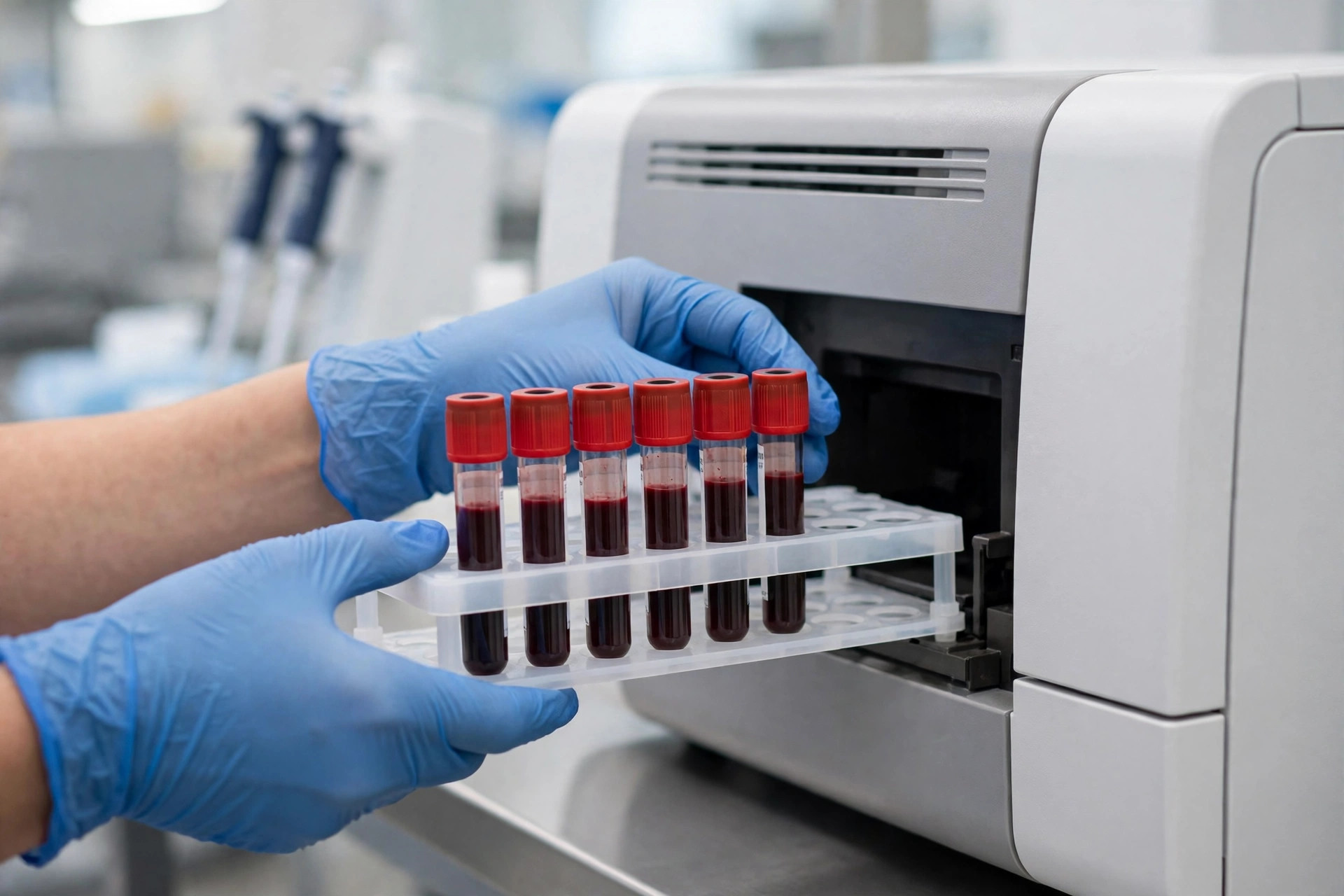
Chapter 3: Diseases of the blood and blood-forming organs and certain disorders involving the immune mechanism (D50–D89)
Anaemias and other disorders of the red cells, white cells and platelets, clotting problems such as haemophilia, and conditions involving the immune mechanism, including immune deficiency.
Chapter 3 spans codes D50–D89 in the FY2027 ICD-10-CM tabular list. This guide explains 13 of its most common codes — select a code for its official description, a plain-English explanation and a note on when the code is used.
Codes in this chapter
| Code | Official description | In plain words |
|---|---|---|
| D50.9 | Iron deficiency anemia, unspecified | Iron deficiency anaemia: too few red blood cells because the body lacks iron, needed to make haemoglobin. |
| D51.9 | Vitamin B12 deficiency anemia, unspecified | Anaemia caused by lack of vitamin B12, which is needed to make healthy red blood cells and nerves. |
| D57.1 | Sickle-cell disease without crisis | Sickle cell disease is an inherited condition in which red blood cells become stiff and sickle-shaped, blocking small vessels. |
| D62 | Acute posthemorrhagic anemia | Anaemia that develops quickly after significant bleeding, for example after surgery, injury or gastrointestinal haemorrhage. |
| D63.1 | Anemia in chronic kidney disease | Anaemia that occurs as a complication of chronic kidney disease, mainly because failing kidneys make less erythropoietin. |
| D63.8 | Anemia in other chronic diseases classified elsewhere | Anaemia that develops in the setting of another long-term (chronic) disease, such as inflammation or cancer. |
| D64.9 | Anemia, unspecified | Anaemia means a low level of haemoglobin or red blood cells, reducing the blood's oxygen-carrying capacity. |
| D66 | Hereditary factor VIII deficiency | Haemophilia A is an inherited bleeding disorder caused by deficiency of clotting factor VIII. |
| D68.51 | Activated protein C resistance | Activated protein C resistance, usually due to the factor V Leiden variant, makes blood more likely to clot. |
| D69.6 | Thrombocytopenia, unspecified | Thrombocytopenia is a low platelet count, which can increase bruising and bleeding. |
| D72.829 | Elevated white blood cell count, unspecified | A higher-than-normal white blood cell count, often seen with infection or inflammation. |
| D75.839 | Thrombocytosis, unspecified | Thrombocytosis is a higher-than-normal platelet count in the blood. |
| D86.9 | Sarcoidosis, unspecified | Sarcoidosis is an inflammatory condition in which clusters of immune cells (granulomas) form, most often in the lungs and lymph nodes. |
This guide explains ICD-10-CM codes in plain language for patients, students and other readers. It is educational information only — not coding, billing or medical advice. The code recorded for any real encounter is assigned from the full clinical documentation by the treating team and qualified coders, and only they can decide which code fits a specific case.
Other chapters
- Chapter 1: Infectious & Parasitic Diseases
- Chapter 2: Neoplasms
- Chapter 4: Endocrine, Nutritional & Metabolic
- Chapter 5: Mental, Behavioral & Neurodevelopmental
- Chapter 6: Nervous System
- Chapter 7: Eye & Adnexa
- Chapter 8: Ear & Mastoid Process
- Chapter 9: Circulatory System
- Chapter 10: Respiratory System
- Chapter 11: Digestive System
- Chapter 12: Skin & Subcutaneous Tissue
- Chapter 13: Musculoskeletal & Connective Tissue
- Chapter 14: Genitourinary System
- Chapter 15: Pregnancy, Childbirth & Puerperium
- Chapter 16: Perinatal Period
- Chapter 17: Congenital & Genetic Disorders
- Chapter 18: Symptoms, Signs & Abnormal Findings
- Chapter 19: Injury & Poisoning
- Chapter 20: External Causes of Morbidity
- Chapter 21: Factors Influencing Health Status
- Chapter 22: Codes for Special Purposes