
- Physical Examination
- Surgical Examination
- Ophthalmology
- Clinical Skills
- Orthopedics
- Surgery Videos
- Laparoscopy
- Pediatrics
- Funny Videos
- Cardiothoracic Surgery
- Nursing Videos
- Plastic Surgery
- Otorhinolaryngology
- Histology and Histopathology
- Neurosurgery
- Dermatology
- Pediatric Surgery
- Urology
- Dentistry
- Oncology and Cancers
- Anatomy Videos
- Health and Fitness
- Radiology
- Anaesthesia
- Physical Therapy
- Pharmacology
- Interventional Radiology
- Cardiology
- Endocrinology
- Gynecology
- Emergency Medicine
- Psychiatry and Psychology
- Childbirth Videos
- General Medical Videos
- Nephrology
- Physiology
- Diet and Food Health
- Diabetes Mellitus
- Neurology
- Women Health
- Osteoporosis
- Gastroenterology
- Pulmonology
- Hematology
- Rheumatology
- Toxicology
- Nuclear Medicine
- Infectious Diseases
- Vascular Disease
- Reproductive Health
- Burns and Wound Healing
- Kidney Zone Podcast
- Other






Female Breast Self-Examination: An Animated Step-by-Step Guide

Educational only: videos on MedicalVideos.com are for general information and are not medical advice. Always consult your own doctor about your health.
An animated educational guide to breast self-examination, showing the steps for checking your own breasts. Educational only — not medical advice.
This video in 30 seconds
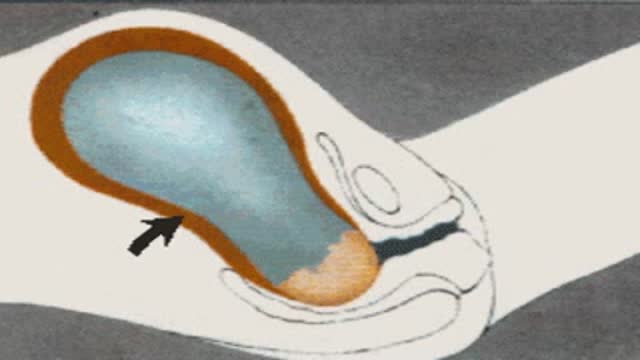
An animated narrated guide explains breast self-examination, beginning with breast anatomy and where cancer can arise in the duct system. The narration then walks through visual inspection for skin and nipple changes and three tactile examination methods: the circle method, the line method and the wedge method.
Key points
- The animation describes breasts as ducts embedded in fatty tissue
- Periodic self-examination is presented as a way to support early identification
- Visual inspection looks for skin changes and nipple changes
- The circle method moves the fingers in a circular pattern over the breast
- The line and wedge methods are described as alternative patterns covering the whole breast
Chapters
- 0:00 — Breast anatomy and cancer origin
- 0:37 — Visual inspection step
- 0:50 — Tactile inspection methods
Video Transcript
An animated, narrated guide to breast self-examination. It opens with the anatomy — the breasts as glands of ducts embedded in fatty tissue, where cancer can arise from nipple to terminal lobule — and explains why periodic self-exams matter for early identification, recommending a regular monthly routine after the menstrual cycle, beginning with visual inspection for changes.
Read the full transcript
Breast carcinoma or breast cancer is the most commonly occurring cancer in middle-aged women. The breasts are specialized accessory glands of the skin, consisting of ducts embedded in fatty tissue. Breast cancer can arise in the duct system anywhere from the nipple to the terminal lobule. Most often, the cancer is detected after it has spread to other parts of the body. Periodic breast self-exams are essential for early identification and treatment. The breast self-exam should be done regularly every month immediately following the menstrual cycle. Step 1. Visual inspection. Look for any changes in the skin over the breast, like redness, swelling or puckering, and nipple changes, like discharge, scaling, or indentation.
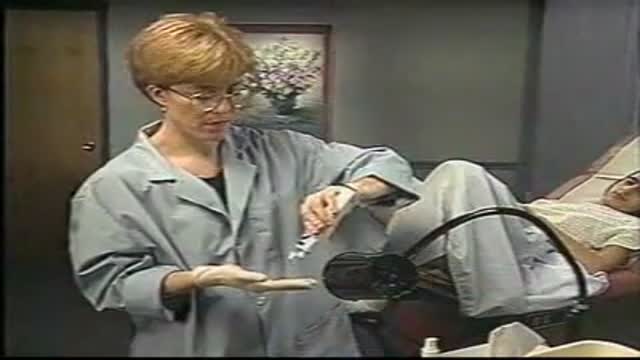
Step 2. Tactile inspection. There are three ways to physically examine the breasts. The circle method. Move the three middle fingers in a circular fashion starting from the outer edge of the breast towards the nipple. The line method. Move the three middle fingers starting from the underarm area down below the breast. Move slowly back upwards repeating this until the entire breast is felt. Wedge method. Move the three middle fingers beginning at the outer edge towards the nipple. Repeat the procedure for every wedge until the entire breast is felt.
Regardless of the method, the objective is to feel the entire breast and observe any abnormal changes. The breast should be soft and smooth to the touch. Pay special attention to check the underarm and upper chest areas.
Transcript auto-generated from the video’s audio for accessibility and study. Educational content only — not medical advice.
Medical Videos
Free medical and surgery videos for patients, students and professionals — trusted since 2007.
Founded by Dr. Mohamed Ibrahim, MD, PhD — physician-scientist.
Follow us on Facebook · Instagram
SORT BY-
Top Comments
-
Latest comments