
- Physical Examination
- Surgical Examination
- Ophthalmology
- Clinical Skills
- Orthopedics
- Surgery Videos
- Laparoscopy
- Pediatrics
- Funny Videos
- Cardiothoracic Surgery
- Nursing Videos
- Plastic Surgery
- Otorhinolaryngology
- Histology and Histopathology
- Neurosurgery
- Dermatology
- Pediatric Surgery
- Urology
- Dentistry
- Oncology and Cancers
- Anatomy Videos
- Health and Fitness
- Radiology
- Anaesthesia
- Physical Therapy
- Pharmacology
- Interventional Radiology
- Cardiology
- Endocrinology
- Gynecology
- Emergency Medicine
- Psychiatry and Psychology
- Childbirth Videos
- General Medical Videos
- Nephrology
- Physiology
- Diet and Food Health
- Diabetes Mellitus
- Neurology
- Women Health
- Osteoporosis
- Gastroenterology
- Pulmonology
- Hematology
- Rheumatology
- Toxicology
- Nuclear Medicine
- Infectious Diseases
- Vascular Disease
- Reproductive Health
- Burns and Wound Healing
- Kidney Zone Podcast
- Other
Pilonidal Cyst
A pilonidal cyst is a small pocket or channel in the skin at the top of the cleft between the buttocks, which can trap hair and become infected. This page explains its symptoms, causes, and treatment in plain language, with videos to help you follow the key points.
✓ Medically reviewed by Dr. Mohamed Ibrahim, MD, PhD — physician-scientist · Last reviewed: November 2026
In short: A pilonidal cyst forms near the tailbone when loose hairs and debris become trapped under the skin. It may sit quietly for years or flare into a painful abscess. An abscess usually needs a small drainage procedure; surgery is reserved for repeated problems.
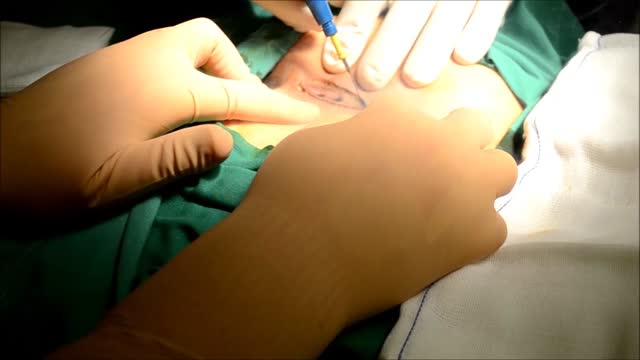
Watch: Pilonidal Cyst videos
Read: the plain-language guide
Overview
Pilonidal disease affects the skin at the top of the buttocks, just above the cleft. Small pits or a channel, called a sinus, form under the skin and can collect hair, dead skin, and debris. Bacteria can then cause infection, producing a tender swelling filled with pus, known as a pilonidal abscess. The condition mainly affects young adults and is more common in men. Many people have a painless sinus that only comes to attention when it first becomes infected.
Symptoms
A quiet pilonidal sinus may cause no symptoms, or just a small dimple or occasional discharge that stains underwear. When infection develops, the area becomes painful, swollen, and red, and sitting or walking may be uncomfortable. Pus or blood-stained fluid may leak from an opening in the skin, sometimes with an unpleasant smell. A larger abscess can cause fever and a feeling of being unwell. Symptoms often flare after long periods of sitting, then settle, only to return weeks or months later.
Causes & risk factors
The condition is thought to develop when loose hairs press into the skin of the cleft, helped by friction and sitting pressure. The body reacts to the trapped hair as a foreign object, and infection can follow. Risk is higher in young adult men, people with plentiful body hair, those who sit for long periods at work, and people carrying extra weight, which deepens the cleft. It is not caused by poor hygiene, although keeping the area clean and hair-free helps reduce flare-ups once the condition exists.
How it's diagnosed
Diagnosis is usually made simply by examining the area. A doctor will look for the characteristic pits, swelling, or discharge, and check whether an abscess has formed. Blood tests or scans are rarely needed for straightforward cases. Imaging or specialist referral may be arranged if the disease keeps returning, has several branching channels, or the diagnosis is in doubt, because a few other skin and bowel conditions can look similar in this area.
Treatment overview
A painless sinus may need nothing more than keeping the area clean and dry and removing hair around the cleft, by methods your clinician suggests. An infected abscess usually needs a small procedure to drain the pus, which relieves pain quickly; antibiotics may be added if surrounding skin is infected or your immune system is weakened. If infections keep returning, your surgeon may recommend an operation to remove the sinus and diseased tissue. Wounds here can heal slowly, so careful aftercare matters.
When to seek care
Seek prompt medical care for increasing pain, swelling, or redness near the tailbone, any discharge of pus, or fever. People with diabetes or a weakened immune system should seek help early, as infections in this area can spread more easily.
Frequently asked questions
Will a pilonidal cyst go away on its own?
A quiet sinus may settle and cause no trouble for long periods, but the channel under the skin remains, so flare-ups are common. An abscess filled with pus rarely resolves without drainage. If episodes keep happening, ask about surgical options to remove the sinus.
Is a pilonidal cyst caused by poor hygiene?
No. The main drivers are loose hair working into the skin, friction, and pressure from sitting, which is why it often affects young, hairy men and people with desk or driving jobs. Good hygiene and hair removal around the area still help prevent further flare-ups.
Does every pilonidal cyst need surgery?
No. A first abscess is often treated with a small drainage procedure under local anaesthetic, and a symptom-free sinus may only need watchful care. Larger operations to remove the sinus are usually reserved for people whose infections keep returning or whose wounds will not heal.
How can I stop it coming back?
Keep the cleft clean and dry, remove hair around the area regularly using the method your clinician recommends, avoid very long periods of sitting where possible, and address excess weight if relevant. Even with good care recurrence is possible, so report new pain or discharge early.
More in Digestive
Related topics on MedicalVideos.com
Sources & further reading
Authoritative references for readers who want to go deeper:
This page is for general education only and is not medical advice. A pilonidal abscess rarely settles without drainage, so worsening pain, swelling, or fever near the tailbone should be assessed promptly rather than waited out.